 comparison
Total Pest Control Alternative: 5 Smarter Options in 2026
Table of Contents
- Why a Total Pest Control Alternative Beats Repeating the Same Mistake
- The Total Pest Control Alternative Comparison at a Glance
- Why DIY Pest Control Fails Repeatedly and What to Do Instead
- ProPest Oxford Ltd: A Direct Total Pest Control Alternative
- DIY-Focused Alternatives for Minor Pest Issues
- Integrated Pest Management Techniques Professionals Use
- Pest Control for Landlords and Businesses: What to Demand
- How to Choose the Right Alternative for Your Property
- Frequently Asked Questions
Last Updated: 5 September 2026
Why a Total Pest Control Alternative Beats Repeating the Same Mistake
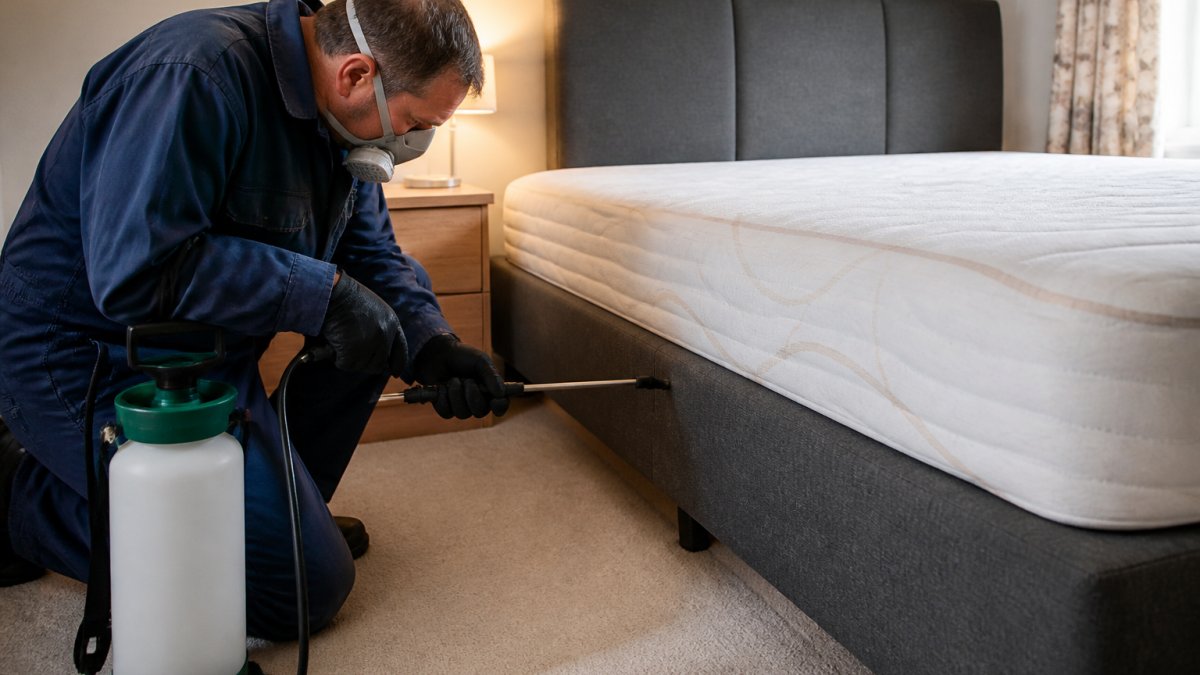
Most homeowners only call pest control after weeks of DIY attempts have failed, and by then the infestation has often spread into wall cavities and outbuildings. The search for a genuine total pest control alternative usually starts the same way: a recurring problem, a previous contractor who treated the symptoms, and frustration when the rodents return within months. At ProPest Oxford Ltd, we have seen this pattern repeat across Oxfordshire and East Sussex, and it almost always comes down to the same root cause. A total pest control alternative is not simply another spray visit; it is a fundamental shift towards identifying the source of the infestation rather than just killing what you can see.
The real problem is that many standard services are reactive. They bait, spray, and leave, without ever asking why the pests entered in the first place. A smarter total pest control alternative focuses on exclusion, hygiene, and structural proofing, which is why repeated treatments often fail where a source-focused approach succeeds.
The Total Pest Control Alternative Comparison at a Glance
| Option | Best For | Key Limitation | Typical Approach |
|---|---|---|---|
| ProPest Oxford Ltd | Severe or recurring infestations | Requires booking a professional visit | Source identification and eradication |
| Dr. Killigan's | Minor moths and fruit flies | Not for large-scale rodent issues | Non-toxic traps and cedar repellents |
| Wondercide | Pet owners with light insect issues | Needs frequent reapplication | Plant-based sprays |
| EcoRaider | Targeted ant problems | Limited pest range | Botanical residual spray |
| Full DIY approach | Prevention only | Fails on established infestations | Traps and over-the-counter chemicals |
As the comparison shows, the right total pest control alternative depends entirely on the scale of your problem. For a few pantry moths, a non-toxic trap may be enough. For rats in the walls, it will not be.
Why DIY Pest Control Fails Repeatedly and What to Do Instead
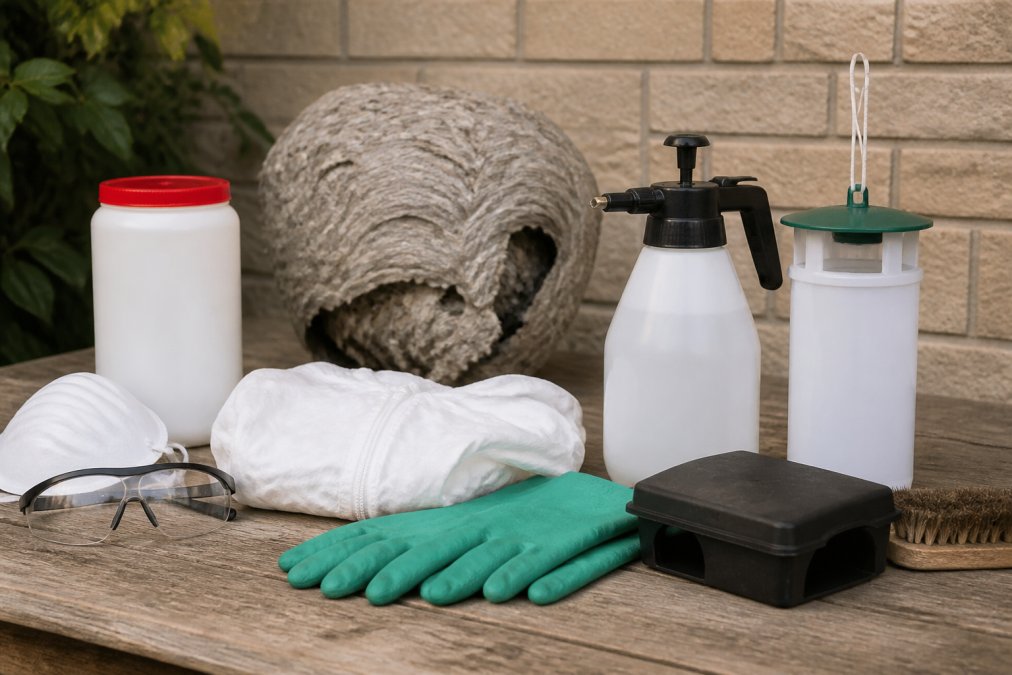
The reason why DIY pest control fails repeatedly is simple: supermarket sprays and traps address the visible adults, not the breeding cycle or the entry points. Most people treat the kitchen skirting board, but the nest is in the cavity wall or under the shed, and within weeks the population rebounds.
A common mistake is assuming that "more poison" equals "better results." In practice, over-application of chemicals can cause pests to avoid the bait altogether, a phenomenon known as bait shyness (PubMed). What works instead is a systematic approach: identify the species, locate the harbourage, remove the food source, and seal the entry point. This is why why DIY pest control fails repeatedly is a question of methodology, not effort. Without addressing the structural route of entry, any treatment is temporary.
ProPest Oxford Ltd: A Direct Total Pest Control Alternative
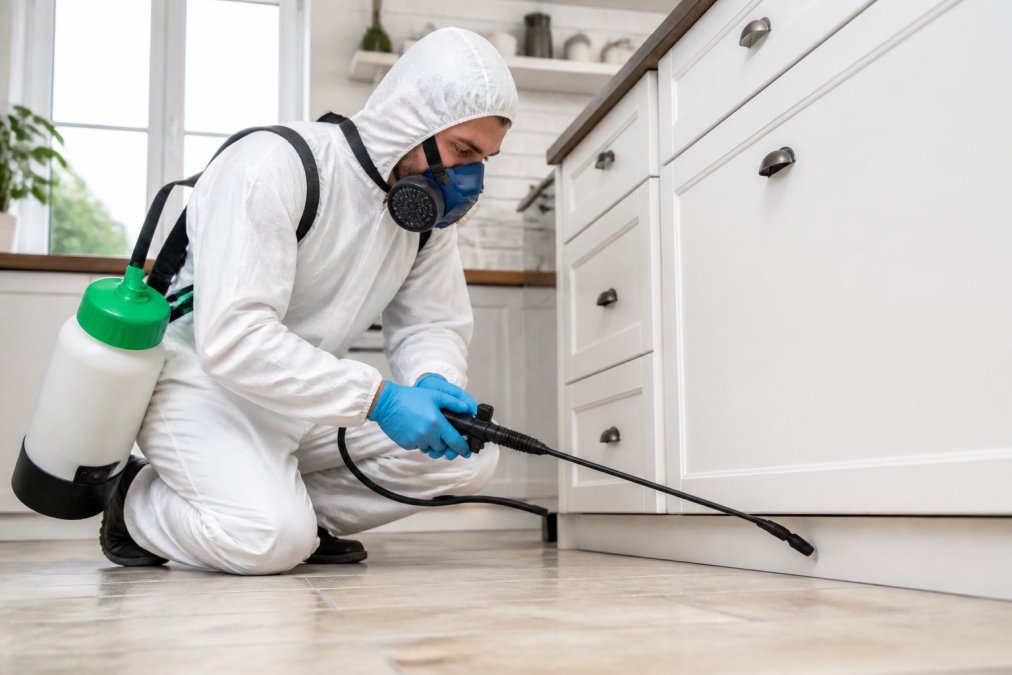
For homeowners and businesses facing a serious or recurring problem, ProPest Oxford Ltd offers the most direct total pest control alternative to the standard reactive visit. Our technicians hold a minimum RSPH Level 2 qualification and are associated with both the NPTA and BASIS PROMPT, so you are getting someone who understands pest biology, not just someone with a sprayer (rsph.org.uk).
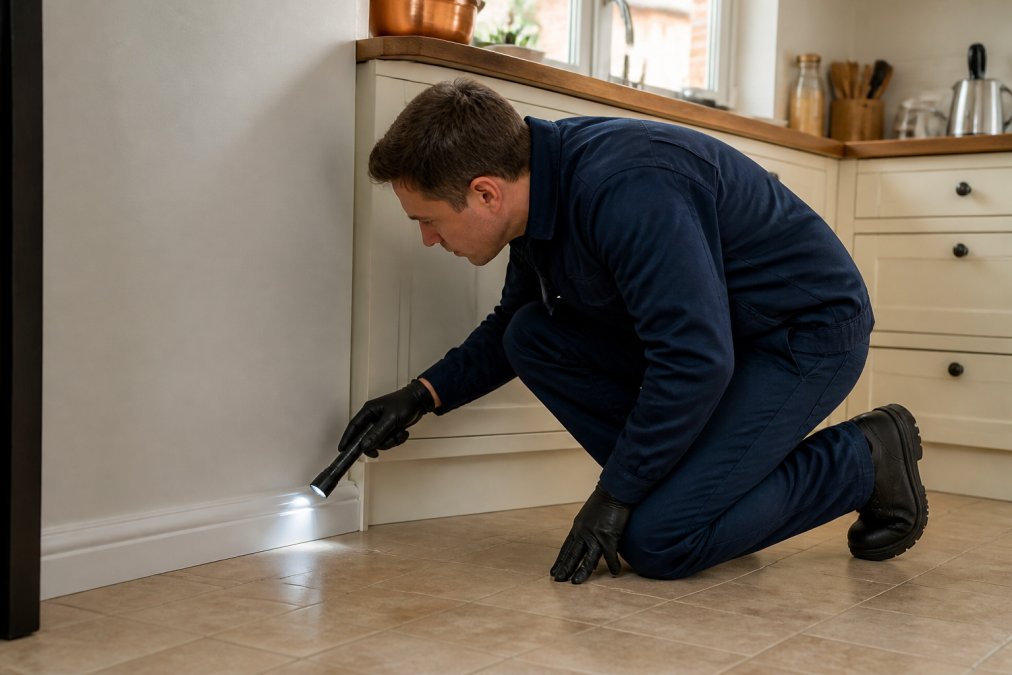
The defining difference is our focus on finding the source. Where a standard contractor might lay bait and leave, we investigate the entry points, the nesting sites, and the conditions that attracted the pests in the first place. This approach is why we can offer same-day or next-day appointments and operate seven days a week; when rats are in your walls, waiting until Monday is not an acceptable answer.
DIY-Focused Alternatives for Minor Pest Issues
If your problem is genuinely minor, a few non-toxic products can serve as a total pest control alternative for very specific situations. Dr. Killigan's offers specialised traps for clothes moths and fruit flies, along with natural cedar-based repellent planks that blend into a home environment. These are excellent for prevention and for small, contained issues.
Wondercide uses plant-based active ingredients in a general-purpose spray that is safe around pets and children when used as directed (the EPA). It works against a variety of common household insects, though it requires more frequent application than synthetic residual sprays. EcoRaider takes a botanical approach with a formula specifically tested against ants and other crawling insects, offering residual protection that prevents re-infestation.
Integrated Pest Management Techniques Professionals Use
Integrated Pest Management, or IPM, is the framework that separates professional work from guesswork. IPM is a decision-making process that combines pest biology, environmental data, and the least-risk control options available. It is not a single treatment; it is a strategy.
The first step in IPM is accurate identification. A professional will confirm the species before choosing any control method, because the approach for rats differs entirely from the approach for mice. The second step is monitoring, which often involves tracking bait consumption to understand the scale of the population. Only then does the professional move to control, selecting the least toxic option that will actually work. The final step is prevention, which means sealing entry points and advising on hygiene changes.
Pest Control for Landlords and Businesses: What to Demand
Pest control for landlords and businesses carries higher stakes than a domestic visit, because a visible problem can damage a reputation or breach a tenancy agreement. If you manage rental properties or run a hospitality venue, you should demand a provider who works discreetly and on a schedule that suits your tenants or customers.
A professional service for landlords should include regular maintenance visits, not just emergency callouts. The goal is to catch a problem early, before it becomes a notice from environmental health or a negative review. For businesses, discretion is non-negotiable, and so is certification. Always ask what qualifications the technicians hold before allowing them on site, and confirm they are insured. A provider that offers seven-day coverage is a practical advantage, since pest emergencies rarely respect the working week.
How to Choose the Right Alternative for Your Property
Start by assessing the scale of the problem. A single ant trail in the kitchen may respond to a targeted botanical spray like EcoRaider. A rat sighted in the garden, or droppings in the loft, requires professional intervention immediately. The longer you wait, the more established the population becomes.
Second, consider the recurrence factor. If you have already paid for a treatment that failed, do not repeat the same approach and expect a different result. Look for a provider that explicitly focuses on identifying the source of the infestation rather than just treating the symptoms. Third, verify credentials. Technicians with a minimum RSPH Level 2 qualification and membership in recognised bodies like the NPTA have demonstrated a baseline of competence.
For most property owners in Oxfordshire and East Sussex, the smarter choice is a professional service that combines rapid response with a source-focused methodology. The right provider resolves the current infestation and gives you the peace of mind that comes from knowing the entry points have been sealed and the conditions that attracted the pests have been addressed.
Frequently Asked Questions
Why does DIY pest control often fail to resolve infestations?
DIY products address the pests you can see, not the source of the problem. Most shop-bought sprays kill on contact but leave nests, harbourage points, and entry routes intact. Professional pest control using integrated pest management techniques focuses on finding and sealing the source, so the colony or nest is eliminated rather than scattered. If you have treated the same problem three or more times, the underlying cause has not been dealt with.
What should I look for when choosing a pest control company in Oxfordshire?
Look for technicians with a minimum RSPH Level 2 qualification, membership in the NPTA or BASIS PROMPT, and full insurance. Ask how they approach the problem: a professional using integrated pest management techniques will inspect the property, identify the entry points, and explain a prevention plan. Check response times too. Same-day or next-day appointments matter when you have an active infestation in your home or business.
Is professional pest control worth the cost compared to shop-bought products?
For a single wasp nest or a few ants, a shop-bought product may solve the issue. For rodents, fleas, or recurring insect problems, professional pest control is almost always better value. A qualified technician removes the source and gives you a prevention plan, so you do not buy another round of ineffective sprays in a few months. Pricing depends on the pest type and property size.
Are eco-friendly pest control alternatives effective for severe infestations?
Eco-friendly products like plant-based sprays work well for minor issues and as part of a broader prevention strategy. For severe infestations, they rarely solve the problem alone because they lack residual protection and do not address the nest or entry points. A professional will combine non-toxic methods with targeted treatments where necessary, using integrated pest management techniques to protect your family and pets.
Choosing the right pest control approach is rarely about finding the cheapest quote; it is about finding a service that solves the problem permanently. ProPest Oxford Ltd offers same-day or next-day appointments, RSPH Level 2 qualified technicians, and a focus on identifying the source of the infestation rather than just the symptoms. Book a service today and stop the cycle of repeat treatments for good.