 how-to
How to Get Rid of Rats in Walls: A Step-by-Step Guide
Table of Contents
- Signs of Rats in Walls: How to Identify an Infestation
- What You'll Need Before Starting
- Step 1: Locate and Trap Rats Safely
- Step 2: How to Seal Entry Points for Rats
- Step 3: Clean and Decontaminate Affected Areas
- Common Mistakes to Avoid
- Professional Pest Control for Rats: When to Call an Expert
- Prevention: Keeping Rats Out of Walls Long-Term
- Frequently Asked Questions
Last Updated: 28 August 2026
Signs of Rats in Walls: How to Identify an Infestation
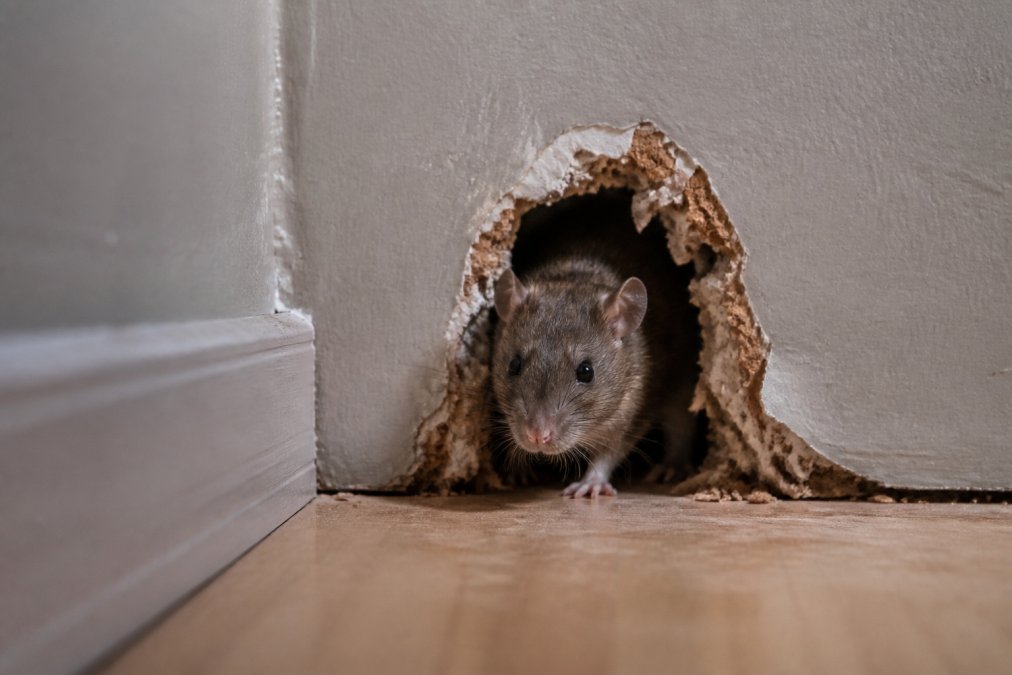
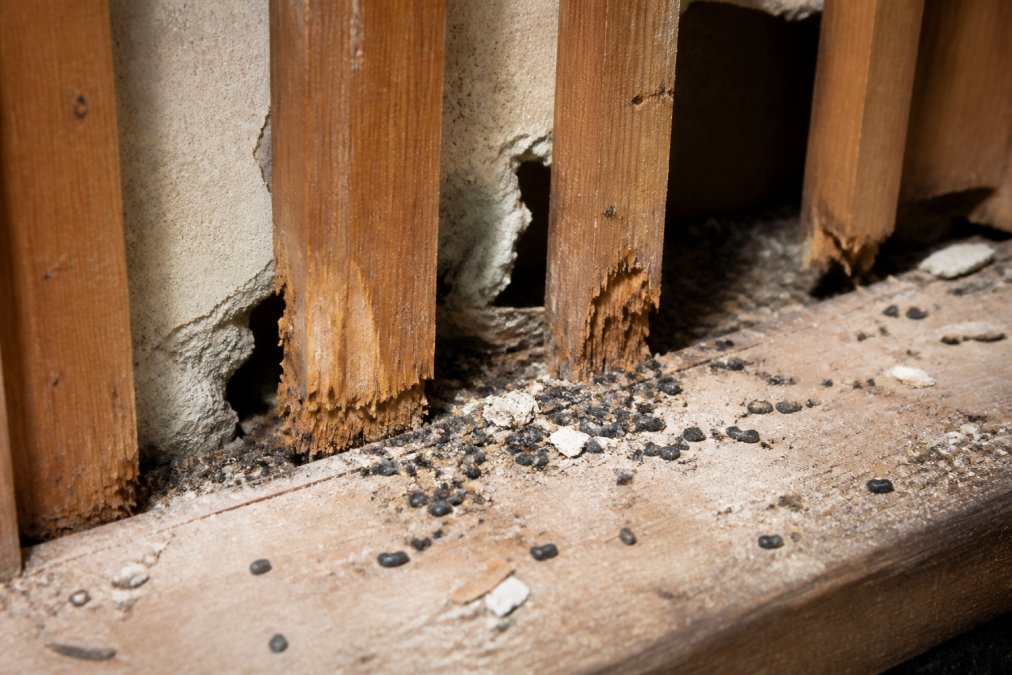
Identifying rats in your walls early is critical because infestations spread quickly and cause structural damage. Common signs include small, dark, rice-shaped droppings along walls and in corners; scratching, scurrying, or gnawing sounds at night; and a musty odour from urine and faeces in wall cavities. Grease marks along walls show where rats have travelled repeatedly, and fresh gnaw marks on wood, plastic, or electrical wiring appear lighter in colour than older damage.
Holes in walls around pipes, cables, or foundation cracks are entry points, typically 12-25mm in diameter. Once inside, rats establish nests within wall cavities. The earlier you spot these signs, the easier it is to address the problem before it becomes severe.
What You'll Need Before Starting
Safety equipment and protective measures
Before attempting to get rid of rats in walls, proper safety precautions are essential. Rats carry diseases transmissible to humans, including leptospirosis and hantavirus (the CDC).
Wear disposable nitrile or latex gloves when handling traps or contaminated materials. A respiratory mask rated FFP2 or higher is crucial when cleaning areas with rat droppings. Safety glasses protect your eyes from dust and debris. Long sleeves and trousers reduce skin contact with contaminated surfaces. Ensure good ventilation in any enclosed space where you're working, and wash your hands thoroughly with soap and warm water after handling traps or bait.
Removal and treatment tools
Snap traps and electronic traps are the most reliable methods for eliminating rats. Snap traps are inexpensive and effective, whilst electronic traps provide a more humane, instant kill. Bait options include peanut butter, chocolate, dried fruit, or grain-based baits. Fresh bait attracts rats more effectively than old bait.
You'll also need a torch or headlamp to inspect dark wall cavities, a caulking gun and sealant materials such as steel mesh and caulk for sealing entry holes, and a HEPA-filter vacuum for cleaning droppings. Disinfectant spray or bleach solution helps decontaminate affected areas. Store all materials safely away from children and pets.
Step 1: Locate and Trap Rats Safely
Choosing the right trap type
Snap traps are the most commonly used and cost-effective option, killing rats instantly when triggered. Place them perpendicular to walls, as rats naturally run along edges. Set multiple traps, a single trap rarely solves an infestation.
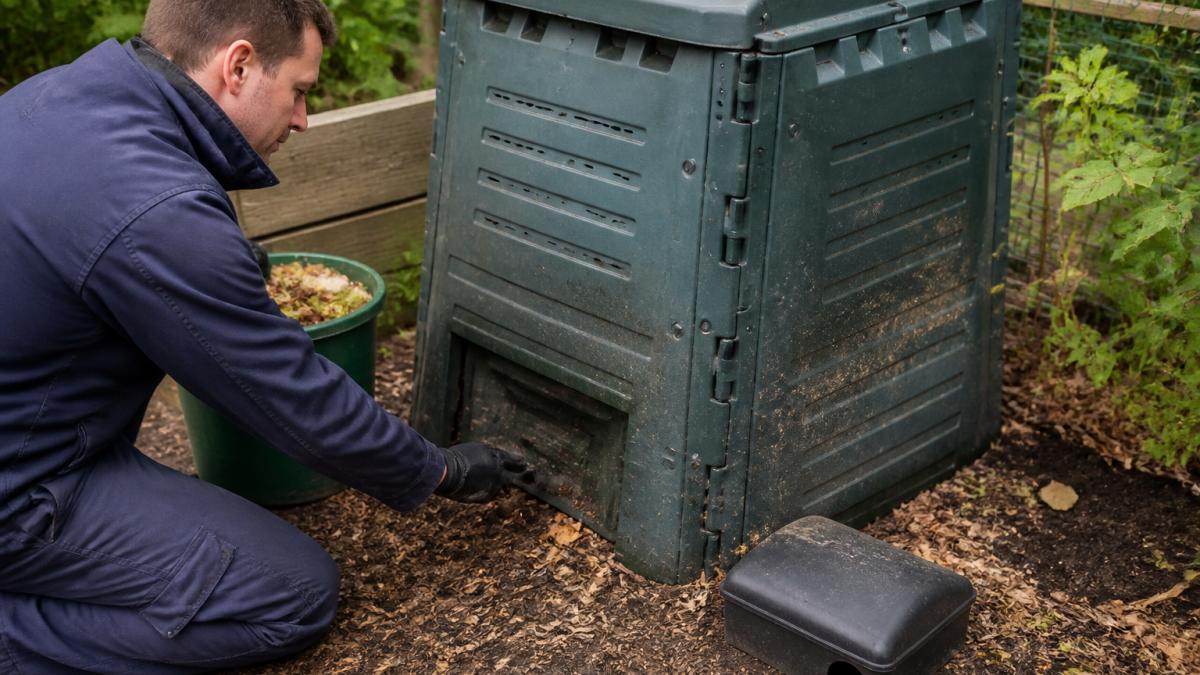
Electronic traps deliver a high-voltage shock that kills rats instantly and are more expensive but offer faster results. Live traps capture rats without killing them but are less reliable and require release far from your property. Poison baits carry risks: rats may die inside walls, creating odour problems, and poison poses dangers to children and pets. For most homeowners, snap or electronic traps provide the best balance of effectiveness and safety.
Bait selection and placement
Peanut butter is highly effective because its sticky texture keeps rats on the trap longer, increasing the chance of triggering it. Chocolate, dried fruit, and grain-based baits also work well. Place traps along walls where you've seen droppings or heard activity, with the trigger end pointing toward the wall.
Use multiple traps, typically 3-5 for a single infestation, spaced 2-3 metres apart. Check traps daily and replace dead rats promptly. Wear gloves and a mask when handling trapped rats. Reset traps immediately after catching a rat, as infestations often involve multiple animals. It typically takes 3-7 days to eliminate an infestation using traps.
Step 2: How to Seal Entry Points for Rats
Finding entry holes and gaps
Once you've eliminated the rats, sealing entry points prevents reinfestation. Rats can squeeze through holes as small as 12mm, so inspect your property thoroughly (peer-reviewed research). Check around pipes, cables, ventilation ducts, the foundation line, and gaps around windows and doors. Exterior inspection is more revealing, allowing you to see cracks and gaps clearly.
Mark all entry points with a marker or tape so you don't miss any during sealing. Even small gaps must be sealed, as rats are persistent and will exploit any opening.
Materials and sealing techniques
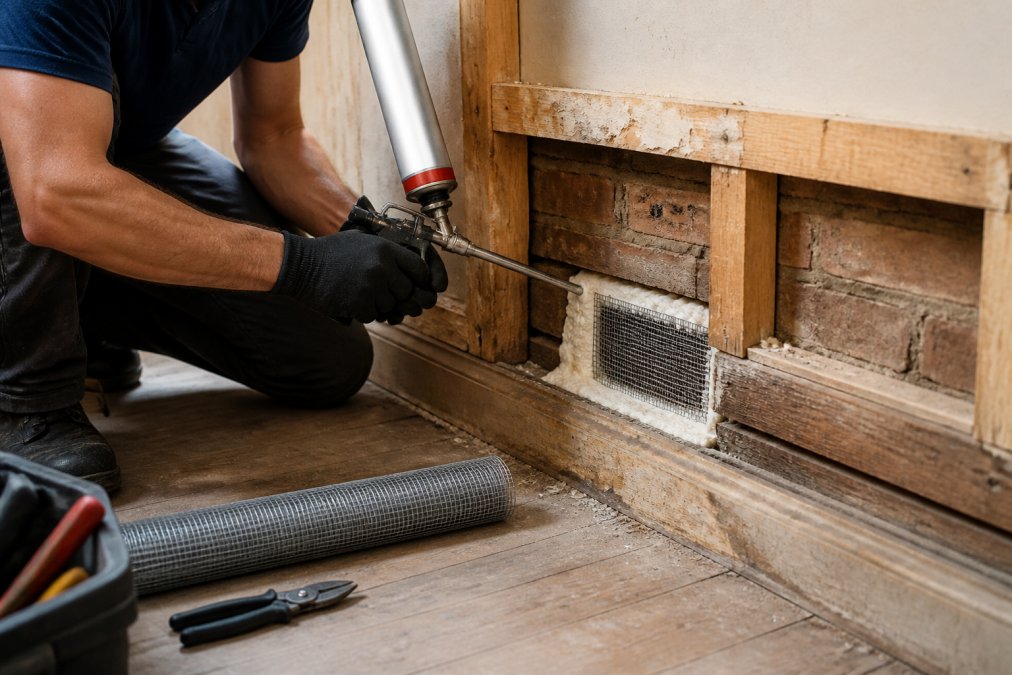
Steel mesh is the most effective material for blocking rat entry points because rats cannot chew through it. Insert mesh into holes, then seal around it with caulk or expanding foam. Caulk provides a neat finish for smaller gaps (under 6mm), whilst expanding foam fills larger gaps.
For gaps around pipes, use pipe collars or metal flashing to create a barrier. Apply sealant in dry conditions for best results. Work methodically through your property, sealing every identified entry point. Inspect your work after 48 hours and reapply any sealant that has cracked or separated.
Step 3: Clean and Decontaminate Affected Areas
After eliminating rats and sealing entry points, thorough cleaning removes health hazards and eliminates odours that attract new rats. Wear gloves, a respiratory mask, and eye protection. Spray contaminated surfaces with a disinfectant solution (a 1:10 bleach-to-water ratio) and let it sit for 5 minutes. Use paper towels to wipe surfaces, then dispose of them in a sealed bag.
Vacuum contaminated areas only after spraying disinfectant, preferably with a HEPA-filter vacuum. Wash all surfaces with hot soapy water after initial disinfection. Remove and replace insulation if it's heavily contaminated. Open windows during and after cleaning to improve ventilation, and wash your hands thoroughly once finished.
Common Mistakes to Avoid
The most frequent error is setting too few traps. Use at least 3-5 traps spaced throughout affected areas. Many people also use ineffective bait; peanut butter and chocolate attract rats far more reliably than cheese or nuts.
Failing to seal entry points after trapping allows rats to return. Inspect your property methodically and seal every opening, no matter how small. Using poison without professional guidance creates serious problems, as rats may die inside walls, causing foul odours. Traps provide faster, cleaner results.
Inadequate decontamination leaves pathogens and odours that attract new infestations. Cleaning with water alone doesn't kill pathogens; you must use disinfectant. Check traps daily and remove dead rats promptly to prevent decomposition and odour. Finally, if infestation returns within months, entry points likely weren't properly sealed or the infestation was larger than initially apparent.
Professional Pest Control for Rats: When to Call an Expert
DIY methods work for small, early-stage infestations, but larger problems require professional expertise. If you've tried trapping and the infestation persists after two weeks, professional intervention is warranted. When you can't locate entry points despite thorough inspection, a pest control specialist can identify them.
Large infestations, where you're catching multiple rats daily or hearing constant activity, require professional treatment. Specialists have access to more effective traps, baits, and techniques than homeowners typically use. Properties with extensive structural damage or contamination benefit from professional cleaning and decontamination.
ProPest Oxford Ltd technicians hold minimum RSPH Level 2 qualifications, ensuring they understand rodent behaviour, treatment options, and safety protocols. They can identify the source of infestation and implement lasting solutions. Same-day or next-day appointments are available, which is crucial when dealing with urgent infestations. Professional services also include follow-up visits to ensure the problem is fully resolved and can address underlying issues that attract rats, such as unsealed food storage or structural vulnerabilities.
Prevention: Keeping Rats Out of Walls Long-Term
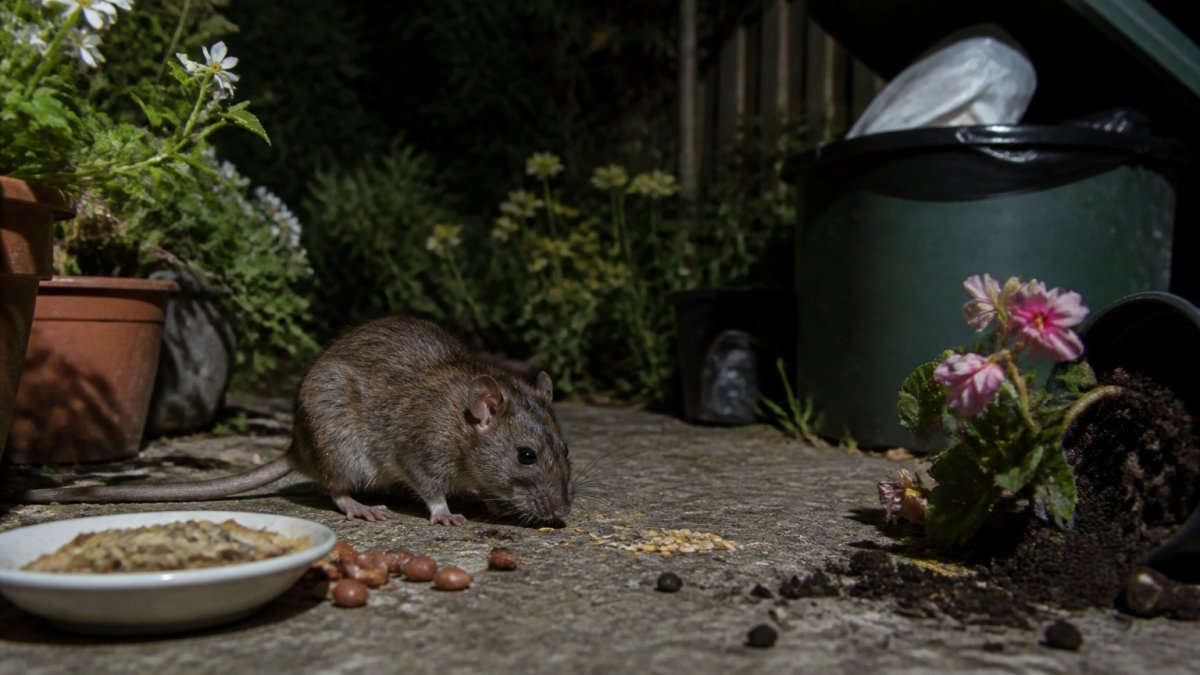
Once you've eliminated rats and sealed entry points, prevention focuses on removing attractions and maintaining barriers. Store food in sealed, airtight containers, as rats can chew through cardboard and paper packaging. Keep pet food sealed and remove uneaten portions promptly. Use bins with tight-fitting lids and keep them away from your property's exterior walls.
Maintain your property's exterior by trimming vegetation away from walls and roof lines, fixing leaking gutters and downpipes, and keeping your garden tidy. Inspect your property regularly for new entry points, checking quarterly around pipes, cables, and the foundation line. Seal any new gaps immediately.
Keep your property well-maintained, as rats exploit deteriorating structures. Fix cracked masonry, replace damaged roof tiles, and repair broken vents. Consider professional prevention services if you live in an area with persistent rat problems, as regular inspections catch infestations early before they become serious.
Rat infestations in walls cause significant distress and pose genuine health risks to your household. Getting rid of rats in walls requires swift action combining trapping, sealing, and thorough decontamination. For infestations that persist despite your efforts, or for properties with extensive damage, professional pest control delivers results that DIY methods cannot match. ProPest Oxford Ltd's RSPH-qualified technicians identify infestation sources and implement comprehensive solutions with same-day or next-day availability. Book a service today to restore safety and peace of mind to your property.
Frequently Asked Questions
Q: How do I know if I have rats in my walls?
A: Listen for scratching, squeaking, or scurrying sounds, especially at night. Look for droppings (dark, rice-shaped pellets), gnaw marks on wood or wiring, and a musty odour. You may also notice grease marks along walls where rats travel. These signs of rats in walls typically appear near entry points, in lofts, or beneath floorboards. If you notice multiple indicators, an infestation is likely present.
Q: Can I get rid of rats in walls myself, or do I need professional pest control?
A: Simple infestations with one or two entry points may respond to DIY trapping and sealing. However, professional pest control for rats is recommended if the infestation is widespread, if DIY attempts have failed, or if you're uncertain about entry points. Professionals identify root causes, ensure complete removal, and handle contamination safely, which can pose health risks if done incorrectly.
Q: What's the safest way to use poison for rats in walls?
A: Poison carries significant risks: rats may die inside walls, creating odour and hygiene issues, and poison can harm pets or children. If you use rodenticide, place it in tamper-proof stations away from non-target animals, following product instructions carefully. However, traps are generally safer and more effective. Rodenticides should comply with UK regulations under the Control of Pesticides Regulations 1986. For safety, consider professional application instead.
Q: How long does it take to get rid of rats once I've started treatment?
A: Trapping typically takes 5-10 days to clear an active infestation, though some rats may be caught within 24-48 hours. After removal, sealing entry points prevents re-entry. Full resolution, including decontamination and verification that no new rats enter, usually takes 2-4 weeks. Timeframes vary depending on infestation severity and how thoroughly entry points are sealed.