 how-to
How to Identify Rodent Entry Points in Your Home
Table of Contents
- Why Finding the Entry Point Matters More Than Trapping
- Signs of Rodent Infestation in the Home to Look For
- Common Rodent Entry Points to Inspect First
- Your Rodent Entry Point Inspection Checklist
- How to Seal Holes to Keep Mice Out
- When to Call a Professional Pest Controller
- Frequently Asked Questions
Last Updated: 7 September 2026
Why Finding the Entry Point Matters More Than Trapping
Setting traps and bait stations without locating how rodents are getting inside is a short-term fix at best. A mouse can squeeze through a gap the width of a pencil, and a rat through a hole the size of a two-pence coin, so the openings are smaller than most homeowners expect. Identifying rodent entry points first is the only way to stop the cycle, because sealing access prevents new animals from replacing the ones you remove. This guide from ProPest Oxford Ltd walks through the inspection process used by our technicians, who hold a minimum RSPH Level 2 qualification and are members of the NPTA.
The most valuable insight we can offer is this: trapping treats the symptom, while entry point identification treats the cause. Most recurring infestations come back within months because the original gap was never sealed. Below, we'll show you exactly how to examine your property, what materials to use for sealing, and when the job needs a professional pest controller.
Signs of Rodent Infestation in the Home to Look For
Rodent entry points are often discovered by working backwards from the evidence. Before you climb into the loft or crawl under the floorboards, look for the tell-tale signs that confirm you have an active problem worth chasing.
Droppings and Smear Marks
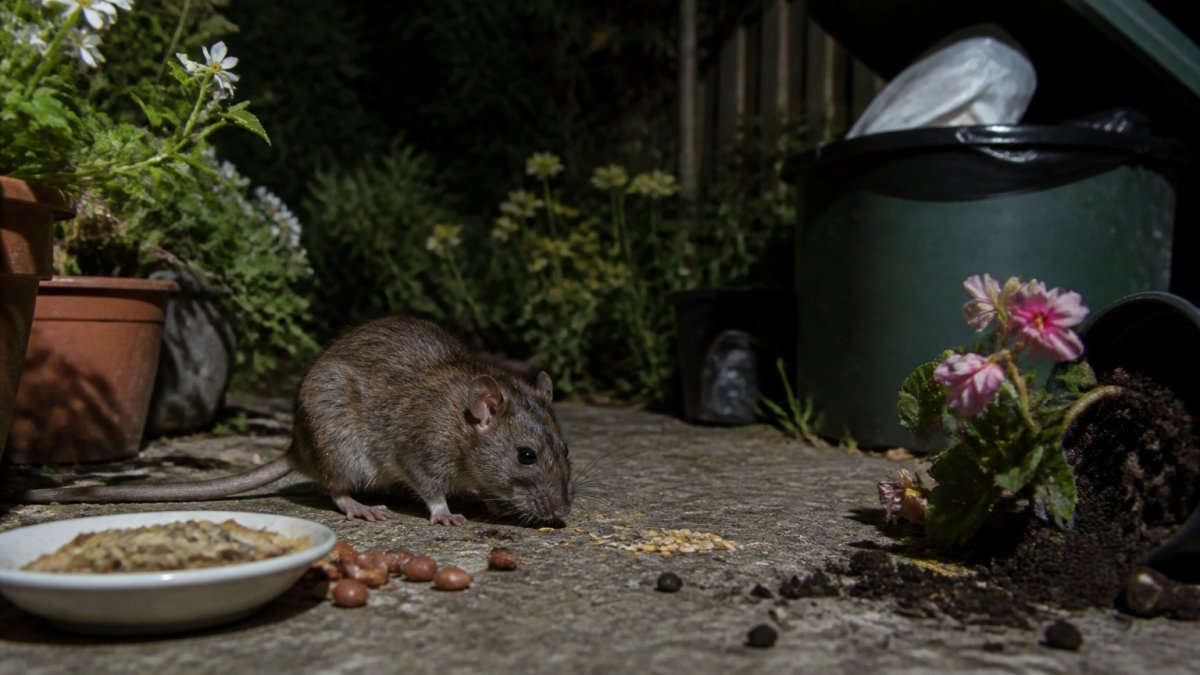
Fresh droppings are the clearest indicator. Mouse droppings are small, dark, and rice-shaped, while rat droppings are larger and capsule-like. You will typically find them along skirting boards, inside cupboards, and near food sources. Greasy smear marks along walls and pipes are another clue, caused by the oils in rodent fur as they repeatedly travel the same route. These marks often form a visible runway that leads directly to the entry point.
Gnaw Marks and Scratching Noises
Rodents gnaw constantly to keep their teeth worn down, so fresh wood shavings, damaged cables, or chewed plastic near potential entry areas are strong signals. Scratching sounds in the loft at night, or scampering within cavity walls, often indicate an established route. Hearing activity is useful because it helps you narrow down which wall or ceiling section to inspect first.
Common Rodent Entry Points to Inspect First
Certain parts of a building are far more vulnerable than others, and experienced inspectors always check these locations before anything else. Utility penetrations and roof-level gaps account for the majority of rodent entries we encounter in Oxfordshire and East Sussex properties.
Gaps Around Pipes and Cables
Wherever a pipe, cable, or gas line passes through an external wall, there is potential for a gap. Builders rarely seal these penetrations perfectly, and the gaps can be hidden behind appliances or inside cupboards. Check the point where the soil pipe enters the wall, the area around your central heating condensate pipe, and any external power cables. If you can see daylight around a pipe, a rodent can get through it.
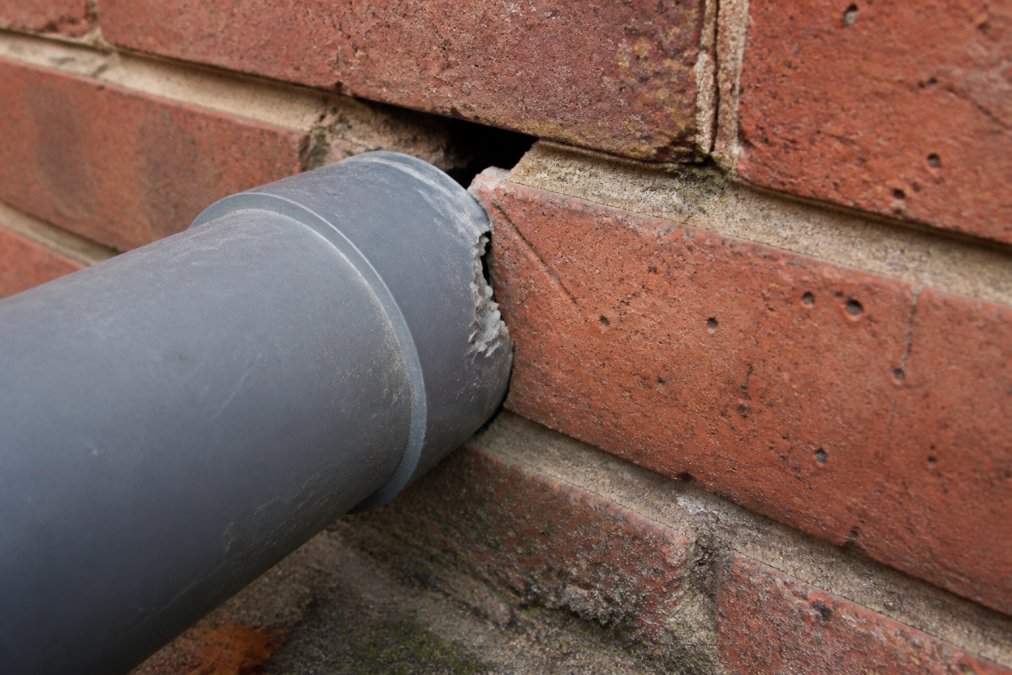
Loft and Roof Vents
Roof vents, soffit gaps, and loose roof tiles are a common route for rats and squirrels. The junction where the roof meets the guttering often has small openings, and plastic vent grilles can become brittle and crack over time. Look up at your roofline from ground level with binoculars, checking for missing mortar, lifted tiles, or gaps around the fascia boards. Inside the loft, shine a torch along the eaves to spot daylight coming through.
Your Rodent Entry Point Inspection Checklist
A structured inspection is more reliable than a random search. Work through this checklist methodically, and record every gap you find so you can seal them in one session.
Checking the Exterior Perimeter
Start outside and walk the full perimeter of your property, examining the ground floor and then the upper levels.
- Check the bottom of exterior doors for gaps beneath the threshold, including garage and shed doors
- Inspect air bricks and vents, confirming the mesh is intact and not corroded
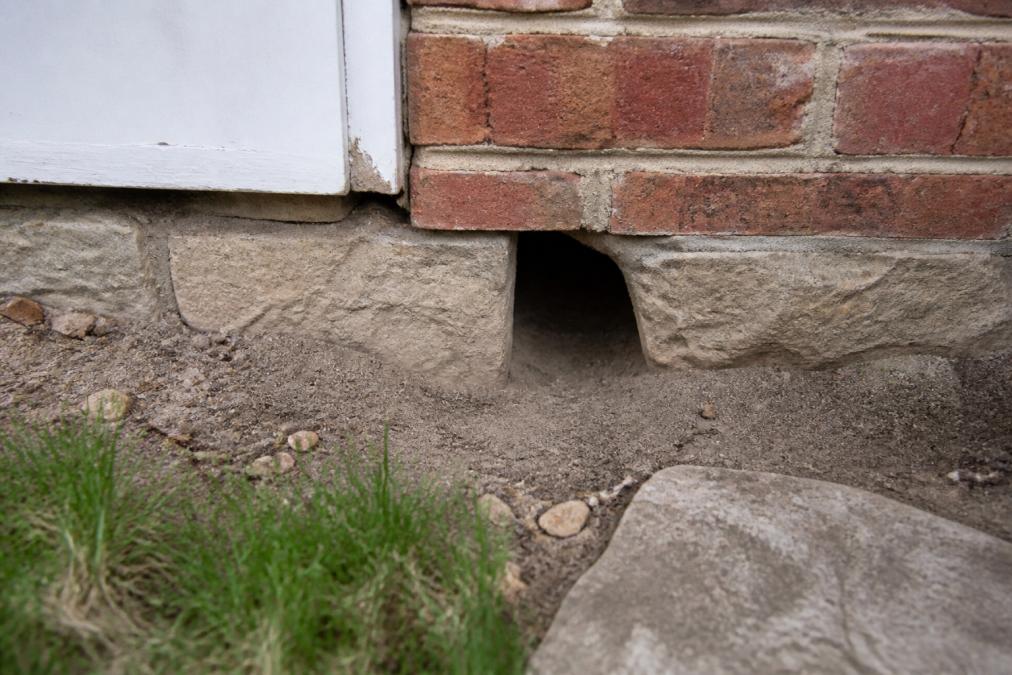
- Look at the mortar lines on the first two courses of brickwork for missing or crumbling joints
- Examine the area around the damp proof course where the wall meets the ground
- Inspect drain covers and gully traps, as rats travel through the drainage system
Checking Inside the Property
Move inside and work room by room, focusing on the areas where pipes and services enter.
- Pull out kitchen appliances and check the back of cupboards for holes in the plasterboard
- Inspect under the sink where the waste pipe exits through the wall
- Look inside the loft at the eaves and around the chimney breast
- Check the hot water cylinder cupboard for gaps around pipes
- Examine the under-stairs cupboard where the floor meets the wall
How to Seal Holes to Keep Mice Out
Once you have identified every rodent entry point, sealing them correctly determines whether the problem stays solved. The right material matters because rodents can gnaw through many common DIY products. How to seal holes to keep mice out comes down to choosing something they cannot chew through, rather than simply blocking the visible gap.
Choosing the Right Materials
For small gaps under 10 mm, a good quality silicone sealant or expanding foam can work, but it must be combined with a gnaw-resistant barrier. For larger holes, wire mesh with a mesh size no larger than 6 mm should be fixed over the opening before filling. Use galvanised steel mesh rather than plastic, as rats can chew through plastic mesh in a single night. For gaps around pipes, a combination of mesh and sealant creates a barrier that rodents cannot penetrate.
When to Call a Professional Pest Controller
A DIY inspection works well for straightforward cases, but some situations demand professional help. If you cannot find the entry point despite a thorough search, if the infestation is established, or if the gaps are in difficult locations like cavity walls or drainage systems, a professional pest controller is the safer option. At ProPest Oxford Ltd, our technicians focus on identifying the source of the infestation rather than just treating the symptoms, which is why our approach prevents repeat problems. We offer same-day or next-day appointments, operate seven days a week, and are fully insured and BASIS PROMPT registered.
Professional treatment is particularly important for landlords and hospitality businesses, where a recurring rodent problem can lead to enforcement action or reputational damage. The British Pest Control Association guidance on choosing a pest controller recommends using a qualified, insured professional for persistent infestations. Similarly, Public Health England advice on rodent-borne disease highlights the health risks associated with rodent infestations, and The Chartered Institute of Environmental Health standards for pest management sets out the hygiene expectations for food businesses.
The inspection checklist above gives you a strong starting point, but a professional survey often reveals entry points that homeowners miss. If you have sealed visible gaps and the problem persists, the entry point is likely hidden inside a cavity or beneath the ground, which requires specialist equipment to locate.
Frequently Asked Questions
What are the most common entry points for rats and mice?
The most common entry points are gaps around pipes and cables entering the property, damaged air bricks, gaps under doors, and loose roof tiles. Mice can squeeze through a hole the size of a pencil (about 6 mm), while rats need a gap of around 15 mm. Check where utility lines enter the building, as these are often left unsealed.
Can mice really fit through a hole the size of a pencil?
Yes. A young mouse can squeeze through a gap of just 6 mm, roughly the diameter of a pencil. This means even hairline cracks in brickwork or small gaps around pipework are enough. When inspecting, use a torch and look closely at junctions between different materials, such as where plastic pipes meet brick walls.
What materials should I use to seal rodent entry points?
Use a combination of wire wool and expanding foam for small gaps, as rodents cannot gnaw through wire wool. For larger holes, use mortar or a metal plate screwed over the opening. Avoid leaving gaps around vents; fit mesh with holes no larger than 5 mm. Remember that rodents can gnaw through standard caulk and soft plastics.
Do I need a professional to find rodent entry points?
A thorough DIY inspection using a torch and checklist will find many entry points, but professionals have experience spotting less obvious access routes, such as gaps behind fitted kitchens or under decking. If you have seen signs of rodent activity but cannot locate the entry, a professional survey can save time and prevent further damage.
Identifying rodent entry points is the foundation of lasting pest control, and it requires patience, a torch, and a systematic approach. When the job is too complex or the infestation is established, professional help saves time and prevents repeat problems. ProPest Oxford Ltd offers rapid response, qualified technicians, and a focus on permanent solutions rather than temporary fixes. Book a service today and restore safety and peace of mind to your property.