 how-to
How to Prepare Your Home for Pest Exterminators
Table of Contents
- What to Do Before Your Pest Exterminator Arrives
- Pest Control Safety Precautions for Pets
- How Long to Stay Out of House After Pest Control
- Cleaning After Pest Control Treatment
- Common Preparation Mistakes to Avoid
- Frequently Asked Questions
Last Updated: September 25, 2026
What to Do Before Your Pest Exterminator Arrives
Preparing your home before pest exterminators arrive protects your family, your pets, and the treatment itself. A few hours of tidying means the technician can reach every problem area and work faster.
If you're wondering how to prepare your home for pest exterminators, the short answer is this: clear access, secure food and water, and follow your provider's instructions to the letter. When homeowners do this groundwork first, a visit goes much more smoothly. It also cuts the risk of a failed treatment and a repeat call-out.
The steps below take most households one to two hours. None of them are complicated.
Clear Access to Problem Areas
Technicians can only treat what they can reach. Move furniture, boxes, and stored items away from skirting boards and wall edges.
Focus on the rooms where you've seen activity:
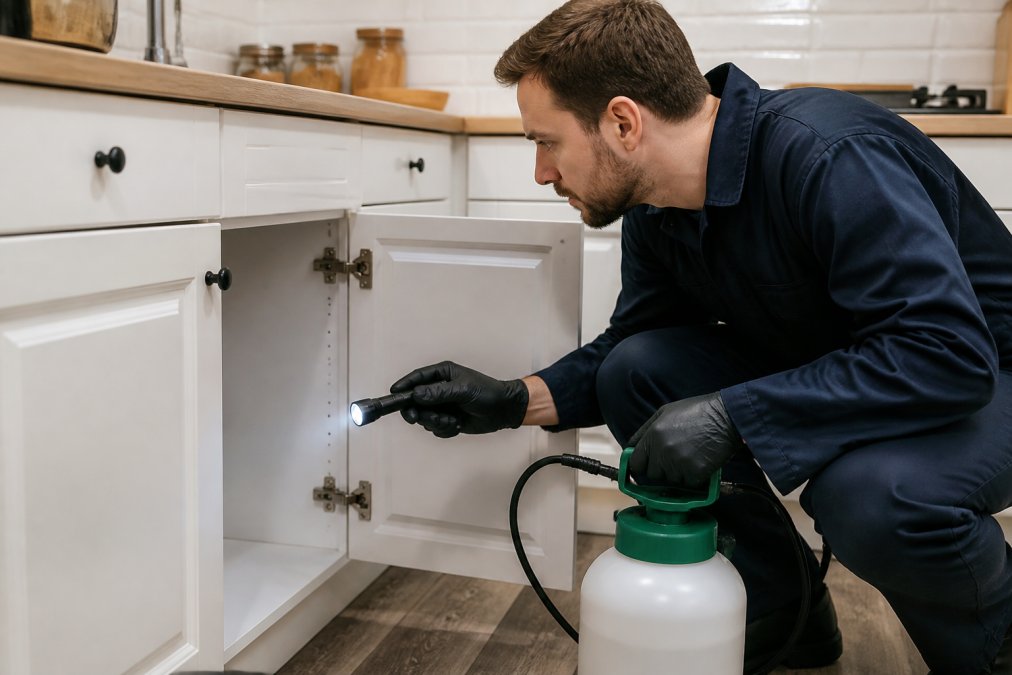
- Kitchens, especially behind appliances and under sinks
- Utility rooms, cupboards, and airing cupboards
- Lofts, cellars, and garages
- Anywhere you've spotted droppings, gnaw marks, or nests
Pull freestanding units a little away from the wall. Empty the bottom of wardrobes if pests have been seen nearby. Don't block doorways or hallways, as the technician needs to move equipment through.
Clear worktops and floors as much as you can. A cluttered room slows the visit and can hide the source of the problem.
Secure Food, Water, and Pet Supplies
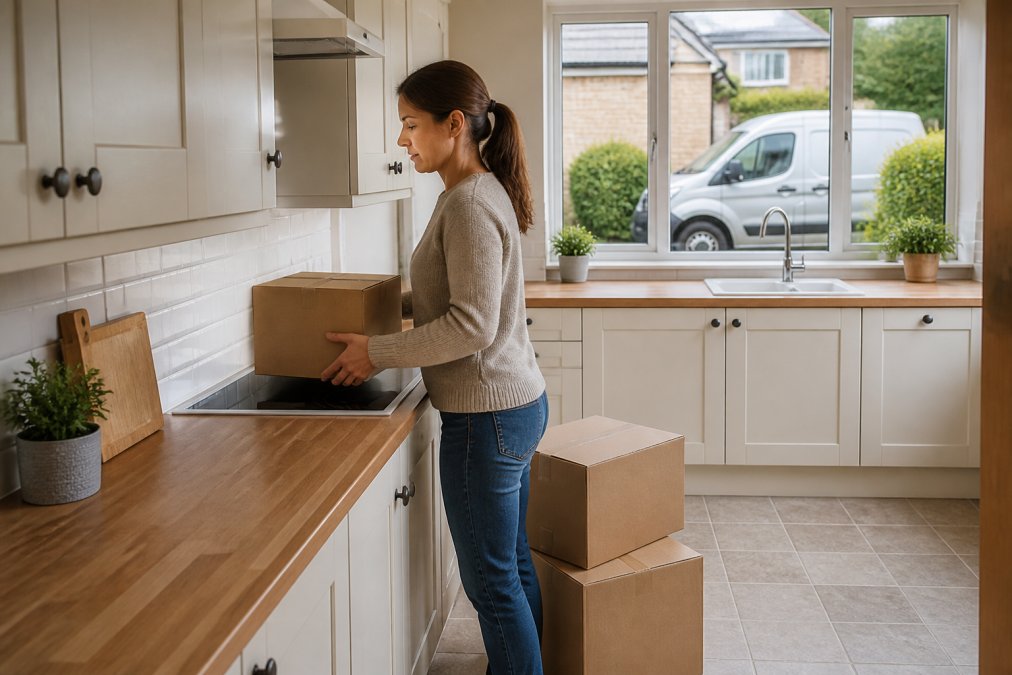
Food and water left out attracts pests and can be contaminated during treatment. Put everything away before the technician starts.
Work through this checklist:
- Store dry goods in sealed containers or the fridge
- Wipe down worktops and clear all crumbs
- Empty bins and move them outside
- Fix any dripping taps and dry wet surfaces
- Put pet bowls, food, and water away
- Cover or store fish tanks and terrariums
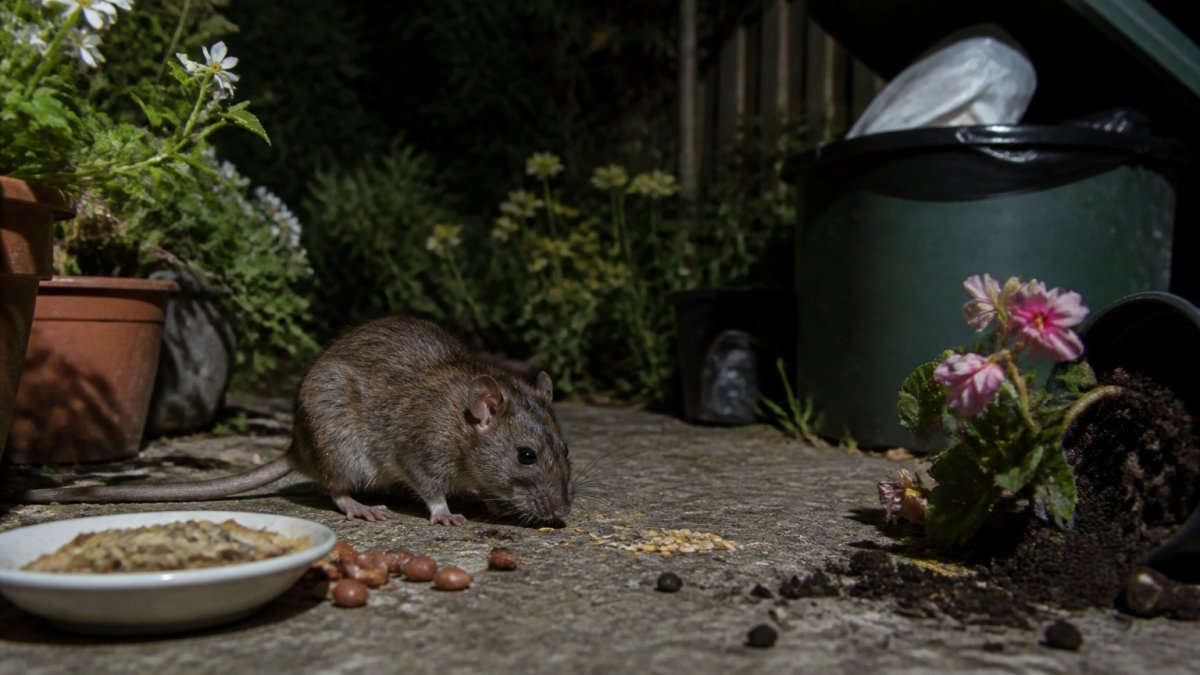
Pet food is a common oversight. A bowl of kibble left on the floor is an open invitation. The same goes for bird feeders near the house.
Cover exposed food you can't move, such as fruit in a bowl. If in doubt, store it in the fridge or a sealed tub until the treatment is done.
Pest Control Safety Precautions for Pets
Pest control safety precautions for pets matter because animals are often more sensitive to treatments than people. Keep pets, their bedding, and their toys well away from treated areas.
Here's what to do:
- Move pets to another room or, ideally, off the property during the visit
- Remove food bowls, water bowls, and litter trays
- Wash pet bedding after treatment, before your pet returns
- Cover or move fish tanks, and switch off their air pumps if advised
- Keep pets off treated surfaces until everything is dry
Ask your technician which products they're using and how long to keep pets away. Most modern treatments are low-risk once dry, but the drying time varies. Cats and fish are especially vulnerable, so take extra care with them.
How Long to Stay Out of House After Pest Control
How long you should stay out of the house after pest control depends on the treatment. As a general guide, plan to stay away for two to four hours, and longer for fumigation or heavy spraying.
Ask your technician before they start. They'll give you a clear timeframe based on the products and methods used. Don't guess.
A simple rule of thumb:
| Treatment type | Typical time out | Notes |
|---|---|---|
| Gel baits and traps | None to 1 hour | Minimal fumes, low risk |
| Surface sprays | 2 to 4 hours | Ventilate on return |
| Fogging or misting | 4 to 6 hours | Air rooms well afterwards |
| Fumigation | Often 24 hours or more | Follow provider guidance exactly |
When you return, open windows and let the rooms air out. Keep children and pets away from treated surfaces until dry. If anyone in the household has asthma or allergies, mention it beforehand so the technician can adjust.
Cleaning After Pest Control Treatment
Cleaning after pest control treatment needs care. Clean too soon or too aggressively and you can wipe away the product that's still working.
Wait at least 24 hours before washing floors or scrubbing surfaces in treated areas. For some treatments, your technician may ask you to wait longer. Follow their advice over any general rule.
When you do clean:
- Use a damp cloth rather than soaking surfaces
- Avoid bleach and strong chemicals near bait stations
- Don't remove bait boxes, gels, or traps, as they're part of the treatment
- Vacuum up dead insects and any debris once dry
- Wash your hands after handling anything near treated areas
Leave bait stations and monitoring traps in place. They tell your technician whether the problem is truly gone. Removing them early hides the evidence and can lead to a second infestation.
Common Preparation Mistakes to Avoid
The biggest preparation mistake is doing too much. Over-cleaning before a visit can remove the very clues a technician needs.
Other common errors:
- Blocking access to lofts, cupboards, or crawl spaces
- Leaving pets and their food in treated rooms
- Cleaning up droppings before the technician has seen them
- Skipping the follow-up visit because the problem looks solved
- Not mentioning children, pets, or allergies beforehand
A good pest control service identifies the source, not just the symptoms. Clearing a nest without sealing the entry point rarely solves anything long term.
If you're a landlord or run a hospitality business, tell your provider about access needs and schedules upfront. Discreet visits can usually be arranged around tenants and opening hours.
Pest problems rarely fix themselves, and a half-prepared home can mean a wasted visit. Getting the prep right the first time saves you money, stress, and a second round of treatment. ProPest Oxford Ltd offers same-day or next-day appointments, seven days a week, with technicians who are RSPH Level 2 qualified and registered with BASIS PROMPT. Book a service with ProPest Oxford Ltd and get your home back to normal.
Frequently Asked Questions
Do I need to leave my house during pest control treatment?
For most treatments, you can stay home, but you may need to avoid treated rooms for a few hours. If fumigation or fogging is used, you and your pets must leave for the time specified by your technician, often 4 to 6 hours. Always follow the advice given by your pest exterminator on the day.
Should I clean before or after a pest exterminator visits?
Clean before the visit to remove clutter and food debris, which helps the technician work effectively. After treatment, wait until any sprays have dried and follow the cleaning after pest control treatment guidance provided. Usually, this means waiting 24 to 48 hours before mopping or vacuuming treated areas.
How do I prepare my kitchen for pest control?
Empty lower cupboards and drawers, clear worktops, and move appliances away from walls if possible. Seal or remove all open food, and clean up crumbs and spills. This gives the technician clear access to hiding spots and prevents contamination of your food.
What should I do with my pets before a pest control visit?
Remove pets from the property or confine them to a secure, untreated room. Cover fish tanks and turn off their air pumps. For pest control safety precautions for pets, always ask your technician about specific risks and follow their instructions on when it is safe for pets to return.