 how-to
How to Stop Pests Returning: 7 Prevention Steps
Table of Contents
- Why Pests Return After Treatment
- Pest Proofing Your Home: Sealing Entry Points
- Identifying Pest Attractants in the Kitchen
- What Happens If You Ignore Woodworm in Antique Furniture
- Removing Food Sources and Waste Management
- Maintaining Moisture Control and Drainage
- Scheduling Regular Inspections and Maintenance
- Common Mistakes That Let Pests Return
- Frequently Asked Questions
Why Pests Return After Treatment
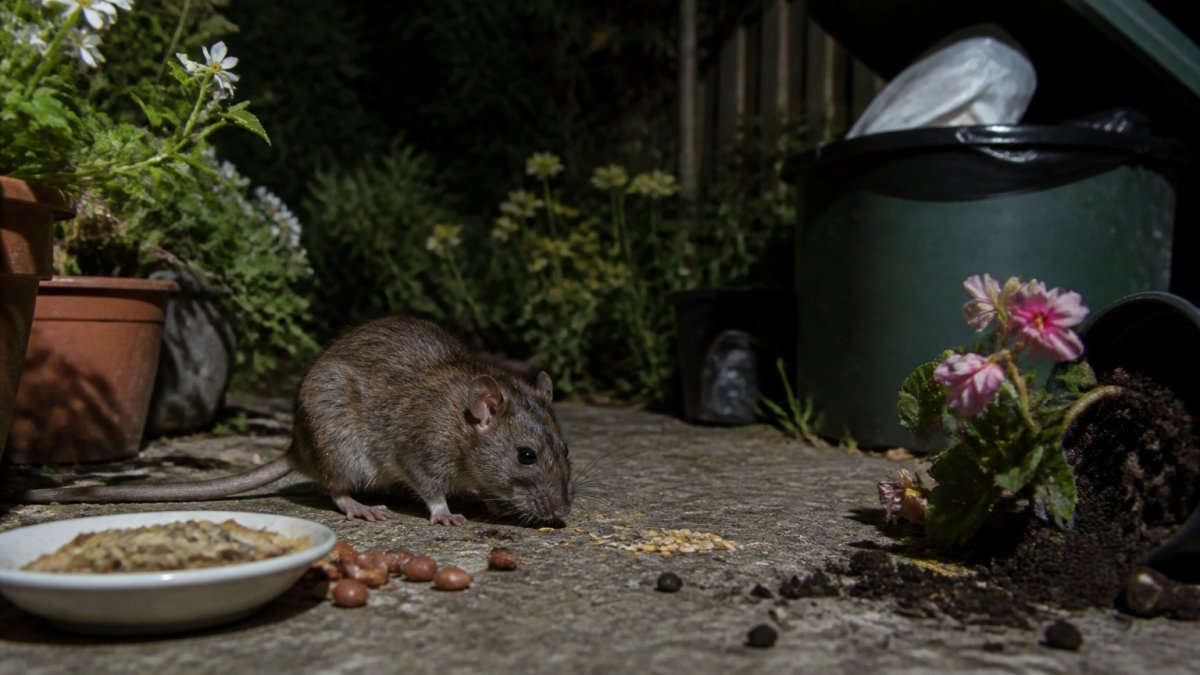
You've had treatment done. The technician assured you the issue was resolved. Yet weeks or months later, you spot the telltale signs again: droppings in the kitchen, scratching in the walls, or that distinctive musty smell signalling rodents have returned.
This happens because pests return when the underlying conditions that attracted them remain unchanged. Treatment tackles the visible infestation, but it doesn't address why they arrived or what keeps inviting them back.
At ProPest Oxford Ltd, the real solution to how to stop pests returning involves a multi-layered approach. It's not enough to eliminate the current population. You need to understand the root causes, entry points, food sources, moisture, and shelter, and systematically remove them. When you do this correctly, pests don't just disappear temporarily. They stay gone.
The difference between a one-off treatment and lasting prevention comes down to knowledge and consistency. This guide walks you through the seven essential steps that actually work, based on what separates properties that remain pest-free from those caught in a frustrating cycle of repeat infestations.
Pest Proofing Your Home: Sealing Entry Points
Sealing entry points is the foundation of pest prevention. No matter how effective your treatment was, if pests can simply walk back in through gaps and cracks, your investment in eradication means nothing.
A gap as small as 3mm is enough for a mouse to squeeze through (Centres for Disease Control and Prevention). Rats need only 6mm (Centres for Disease Control and Prevention). These creatures exploit tiny spaces most people never notice: gaps around pipes, cracks in mortar, spaces where utilities enter the building, and worn draught-proofing around doors and windows.
Walk around your property, both inside and outside, and look for any opening connecting the interior to the exterior. Don't assume small gaps are harmless or overlook areas you think are "too high up."
Common entry points to seal
- Gaps around pipes and cables entering the building from outside
- Cracks in brick mortar and concrete foundations
- Gaps under doors and around door frames where draught-proofing wears away
- Spaces around window frames where sealant has degraded
- Vents and air bricks that need screening, not sealing
- Gaps where utilities (electricity, gas, water) enter the building
- Spaces in cavity walls where internal and external walls meet
- Damaged soffits and fascia that expose gaps into roof spaces
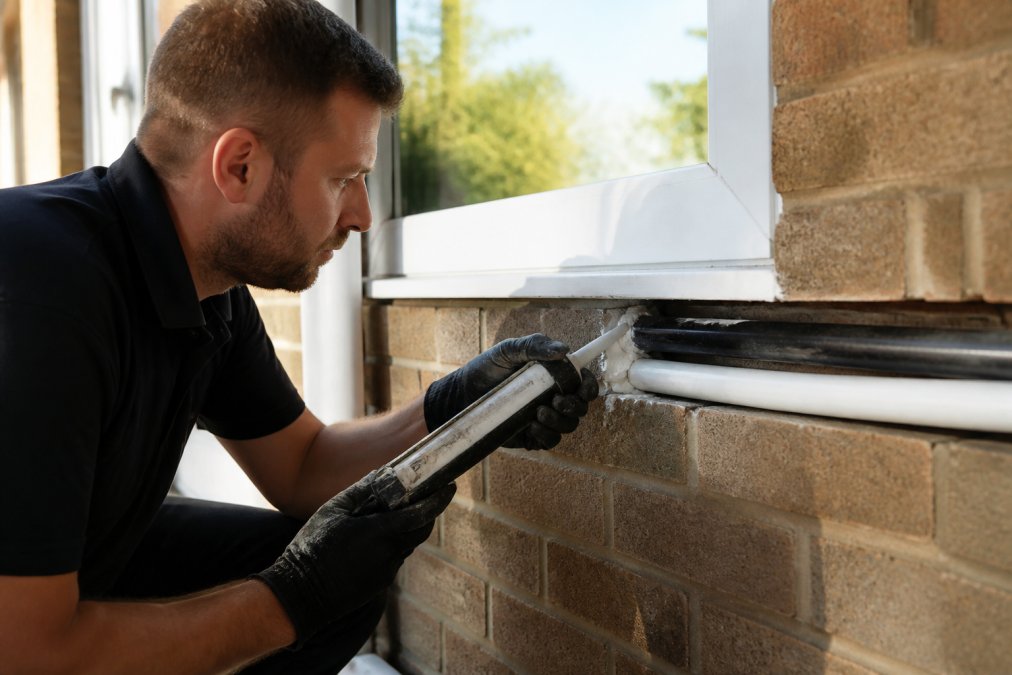
Materials and tools you'll need
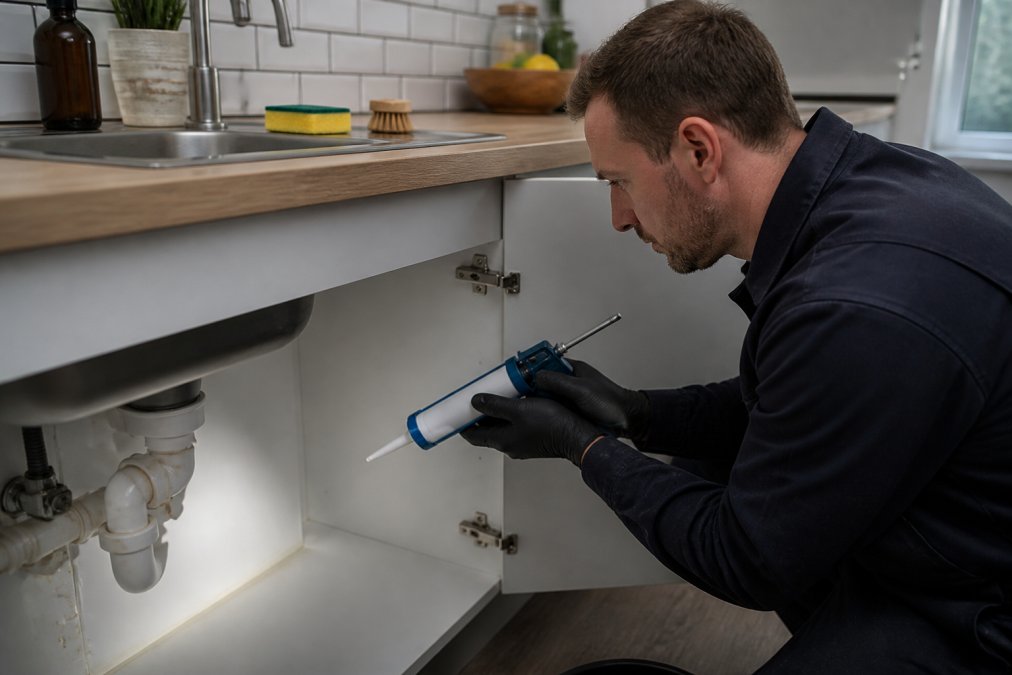
- Silicone caulk or acrylic sealant for gaps up to 10mm
- Expanding foam for larger gaps (10-50mm)
- Draught-proofing tape for doors and windows
- Wire mesh or galvanised wire mesh (6mm gauge) for vents
- Caulking gun, utility knife, and screwdriver or drill
Fill gaps from the inside first, then seal from the outside to create a two-layer barrier. For gaps larger than 50mm, fill the bulk with foam, then seal the surface with caulk.
Identifying Pest Attractants in the Kitchen
The kitchen is ground zero for pest attraction. It's where food is stored, prepared, and consumed, warm, often humid, and cluttered with potential food sources. If you're struggling with how to stop pests returning, your kitchen is almost certainly part of the problem.
Pests don't need much. A few crumbs, a smudge of grease, moisture from a leaking pipe, these are feasts to rodents and insects. What looks clean to you might be a buffet to them.
Common kitchen attractants include:
- Crumbs and food debris in and under appliances
- Grease buildup on cooker tops and behind appliances
- Open food storage in cardboard boxes or unsealed containers
- Pet food left out overnight
- Fruit bowls with overripe fruit
- Unsealed bins and waste
- Moisture and standing water from leaks or condensation
- Spills, particularly sugary or oily residues
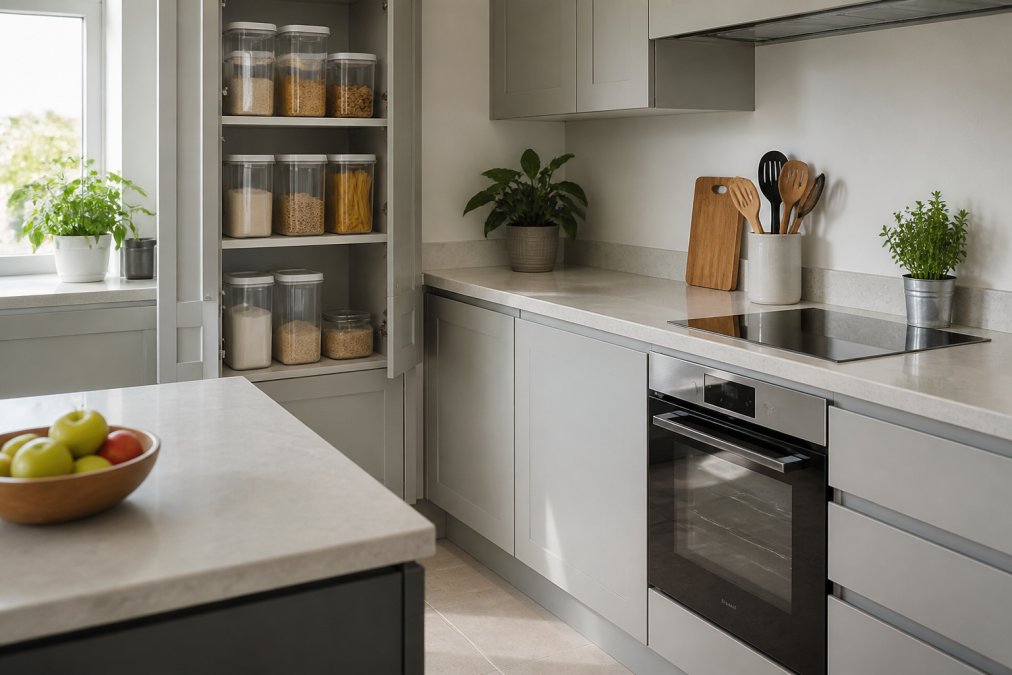
Clean thoroughly behind and under appliances where crumbs accumulate. Store all dry goods in sealed, rigid containers. Wipe down surfaces daily, paying special attention to areas around the cooker. Empty bins regularly and use sealed bins for food waste. Fix any leaks or condensation issues immediately.
What Happens If You Ignore Woodworm in Antique Furniture
Woodworm isn't just cosmetic. It's a structural threat that can compromise valuable furniture and spread to other wooden elements in your home.
Woodworm refers to larvae of wood-boring beetles. The adult beetle lays eggs in wood, and larvae tunnel through as they feed, creating characteristic small exit holes. If left untreated, populations continue to breed and feed, weakening the wood structurally and making joints fail.
Beyond the furniture itself, woodworm can spread to other wooden items, skirting boards, floorboards, and roof timbers. In properties with significant timber structures, this can escalate into serious building infestation.
Early signs include small round exit holes (1-3mm diameter), fine sawdust, and a musty smell. Treatment should be immediate. Professional pest control specialists can assess damage and apply targeted treatments to kill existing larvae and prevent new infestations.
Ignoring woodworm results in progressive damage, higher treatment costs, and loss of irreplaceable items. The investment in professional assessment is far smaller than replacement or repair costs after years of infestation.
Removing Food Sources and Waste Management
Food waste is the single most powerful attractant for pests. Managing waste effectively is one of the most practical steps in learning how to stop pests returning.
Rodents have extraordinary smell and can detect food from considerable distances (peer-reviewed research on rodent olfaction). Once they find a reliable food source, they establish nests and breed rapidly. Your waste management practices directly determine whether your property becomes a breeding ground.
Effective waste management requires consistency:
- Use sealed bins for all food waste with tight-fitting lids
- Empty bins regularly, ideally daily for food waste
- Store bins away from the building or in a secure bin store
- Don't leave food scraps in the sink overnight
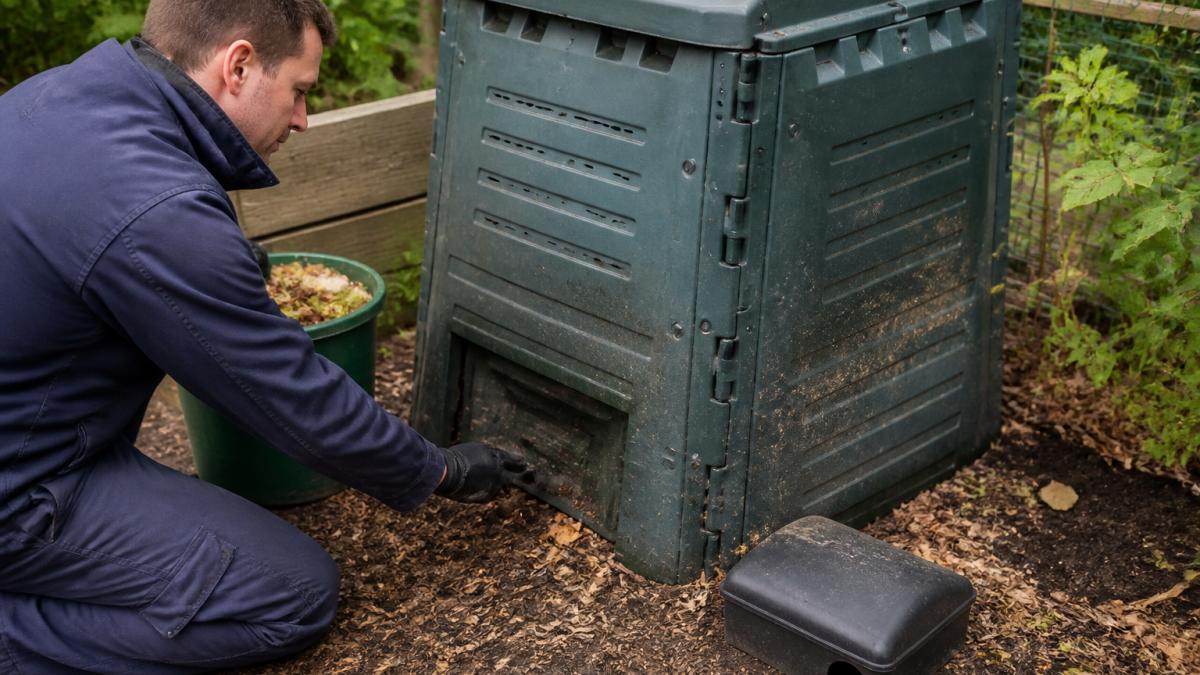
- Compost safely in a sealed, rodent-proof bin
- Clean bins regularly to remove residual food and grease
- Avoid storing waste indoors except in sealed containers
- Rinse bottles and cans before recycling
The discipline of waste management often determines whether pest problems recur. Properties that manage waste rigorously stay pest-free.
Maintaining Moisture Control and Drainage
Pests need water as much as they need food. Moisture creates damp conditions that attract rodents, insects, and fungi. Poor drainage and excessive moisture are silent drivers of pest infestations.
Damp environments support pest breeding and survival. Rodents require water daily. Insects thrive in humid conditions. If your property has moisture problems, you're inadvertently creating a haven for pests.
Common moisture issues include:
- Leaking pipes under sinks, in bathrooms, in external walls
- Condensation on windows and walls in poorly ventilated areas
- Rising damp in basements and ground-floor rooms
- Poor external drainage where water pools around the foundation
- Blocked gutters and downpipes that overflow and saturate walls
- Inadequate ventilation that traps moisture
Identify and fix the source: repair leaks, improve ventilation, clear gutters. Then dry out affected areas using dehumidifiers and extraction fans.
Dry properties are far less attractive to pests. If you're serious about preventing pests from returning, moisture control is essential.
Scheduling Regular Inspections and Maintenance
Prevention isn't a one-time event. Regular inspections and maintenance create a defensive perimeter that stops pests before they establish themselves.
Many assume that once treatment is complete, the problem is solved. This mindset leads to repeat infestations. Pests are persistent. Your defences, seals, barriers, cleanliness, degrade over time. Draught-proofing wears. Sealant cracks.
A structured inspection routine catches these failures early:
- Monthly visual checks of kitchen and bathroom areas for signs of pests
- Quarterly external inspections of entry points for new gaps or damage
- Seasonal checks of gutters, downpipes, and drainage
- Annual professional inspections by a pest control specialist
ProPest Oxford Ltd recommends annual inspections for most properties, with more frequent checks for high-risk situations: properties with previous infestations, older buildings, or commercial properties handling food.
Common Mistakes That Let Pests Return
Treating without addressing root causes. Treatment eliminates the visible infestation, but if entry points remain open, food sources available, and moisture present, new pests will arrive.
Neglecting entry points. Sealing gaps feels tedious compared to professional treatment, but it's actually more important. Pests find unsealed openings.
Inconsistent cleanliness. You can't clean intensively for a week then revert to leaving food scraps around. Prevention requires consistent standards.
Ignoring small signs. A single dropping, faint scratching, or small hole are early warnings. By the time action is taken, a small problem becomes major infestation.
Failing to involve all household members. If one person is disciplined about waste and another leaves food out, efforts are undermined.
Not maintaining seals and barriers. Draught-proofing deteriorates. Sealant cracks. Without periodic maintenance, defences gradually fail.
Skipping professional advice. Some infestations are complex. Professional assessment can identify problems you wouldn't spot alone.
Pests returning after treatment is frustrating, but it's preventable. The solution requires understanding why they arrived and systematically removing those attractions. ProPest Oxford Ltd specialises in identifying the source of infestations rather than just treating symptoms. Our RSPH Level 2 qualified technicians work with you to seal entry points, eliminate attractants, and establish maintenance routines that keep properties pest-free long-term. If you're dealing with a recurrent pest problem or want to prevent one from developing, book a service with ProPest Oxford Ltd and get a tailored prevention plan specific to your property.
Frequently Asked Questions
Why do pests return after professional treatment?
Pests return when entry points remain unsealed, food sources are available, or moisture attracts them back. Professional treatment eliminates the current infestation, but if the conditions that attracted pests initially aren't addressed, new pests will find their way in. This is why identifying and removing the source matters as much as the treatment itself. Regular inspections and maintenance prevent re-infestation.
How can pest proofing your home stop recurring infestations?
Pest proofing creates a physical barrier against entry. Seal cracks around pipes, cables, and foundations; fit draught excluders; repair damaged vents; and caulk gaps in skirting boards. These steps eliminate the routes pests use to enter. Combined with removing food sources and moisture, proofing makes your property inhospitable to pests long-term, reducing the need for repeated treatments.
What happens if you ignore woodworm in antique furniture?
Untreated woodworm spreads throughout wooden structures and furniture, weakening structural integrity and causing visible damage. The larvae tunnel through wood for years, eventually emerging as adult beetles that lay new eggs, perpetuating the cycle. In severe cases, affected furniture becomes unsafe and antiques lose value. Early treatment stops the cycle and preserves your items.
How often should I inspect my property to prevent pests returning?
Conduct visual inspections monthly, checking for droppings, entry points, and signs of damage. Pay particular attention to kitchens, basements, and areas where pipes enter. Seasonal inspections before autumn and spring are especially important, as pests seek shelter during temperature changes. Professional inspections annually identify problems before they escalate and ensure your prevention measures remain effective.