 comparison
Is Professional Bed Bug Treatment Worth It for Landlords?
Table of Contents
- The Real Cost of Ignoring Bed Bugs: A Landlord's Verdict
- Landlord Responsibilities for Pest Control UK: What the Law Says
- The Cost of Bed Bug Extermination for Landlords: Professional vs DIY
- Preventing Bed Bugs in Rental Properties: A Proactive Maintenance Plan
- Why Professional Bed Bug Treatment Is Worth It for Landlords
- Choosing a Professional Bed Bug Treatment Service: Key Factors
- Frequently Asked Questions
Last Updated: September 27, 2026
The Real Cost of Ignoring Bed Bugs: A Landlord's Verdict
Bed bugs are not a cosmetic problem you can paint over between tenancies. They are a legal, financial and reputational liability that compounds the longer you leave them. This guide from ProPest Oxford Ltd sets out the honest case for whether professional bed bug treatment is worth it for landlords, including where DIY fails, what the law demands, and how to choose a contractor you can actually trust.
Below, we break down the legal duties, and the practical steps that separate a one-off fix from a permanent solution. Most guides skip the part that matters: bed bugs return when the source is never found.
Landlord Responsibilities for Pest Control UK: What the Law Says
Landlord responsibilities for pest control UK sit under the Homes (Fitness for Human Habitation) Act 2018, which requires rented homes to be fit for habitation at the start of and throughout a tenancy. A bed bug infestation can render a property unfit, and the tenant can take action if you fail to respond.
The Homes (Fitness for Human Habitation) Act 2018 guidance makes clear that landlords must address serious hazards, including pests. Local authority environmental health teams can serve improvement notices, and in serious cases, a rent repayment order may follow.
What this means in practice: you cannot simply tell a tenant to deal with bed bugs themselves. If the infestation is structural or pre-existing, the responsibility is yours.
The Cost of Bed Bug Extermination for Landlords: Professional vs DIY
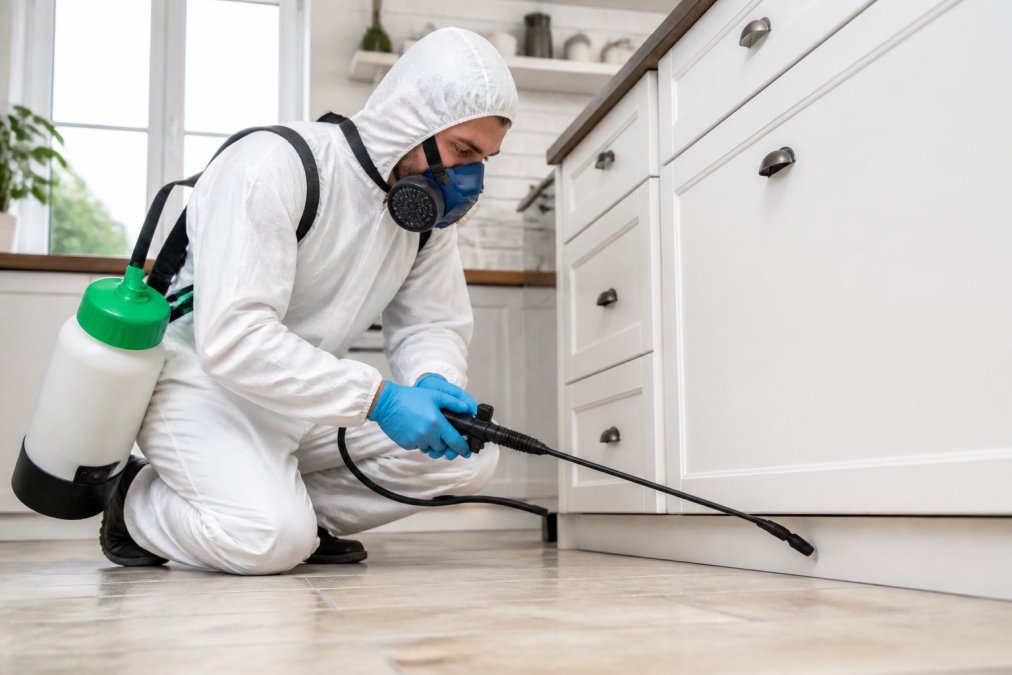
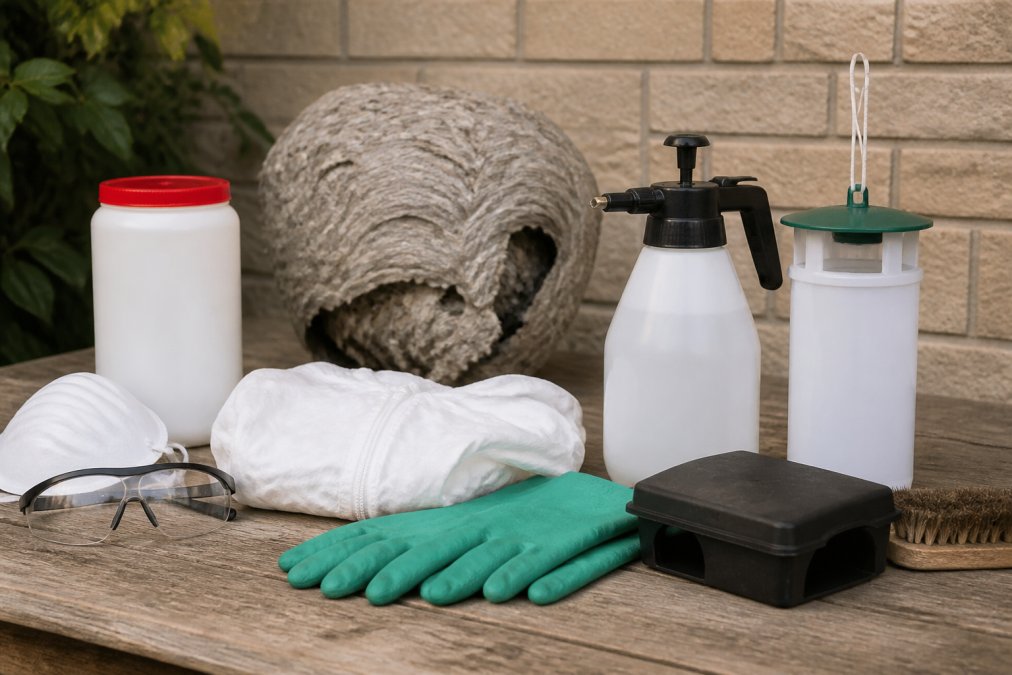
The cost of bed bug extermination for landlords depends on severity, property size and treatment method. DIY treatments often appear cheaper but rarely resolve an infestation fully, which means you pay twice.
Professional treatments can target every life stage, including eggs that DIY sprays might miss. A single missed cluster can restart the cycle within weeks.
| Approach | Typical Outcome | Risk of Return | Best For |
|---|---|---|---|
| DIY sprays and foggers | Partial kill, eggs survive | High | Very early, single-room detection |
| DIY heat (domestic heaters) | Uneven heat, misses harbourage | High | Not recommended |
| Professional chemical treatment | Full lifecycle targeting | Low with follow-up | Standard infestations |
| Professional heat treatment | Kills all stages in one visit | Lowest | Severe or repeat infestations |
A common mistake is assuming one treatment ends the problem. Bed bugs hide in seams, skirting boards and wall voids, so a thorough inspection is crucial.
Preventing Bed Bugs in Rental Properties: A Proactive Maintenance Plan
Preventing bed bugs in rental properties is cheaper than treating them. A short inspection routine at every changeover catches most problems before they spread.
- Inspect mattress seams and bed frame joints at every void period
- Check second-hand furniture before it enters the property
- Ask tenants to report bites or sightings immediately
- Log any pest report and your response in writing
- Book an annual professional inspection for multi-unit blocks
- Seal cracks around skirting boards and pipework
Why Professional Bed Bug Treatment Is Worth It for Landlords
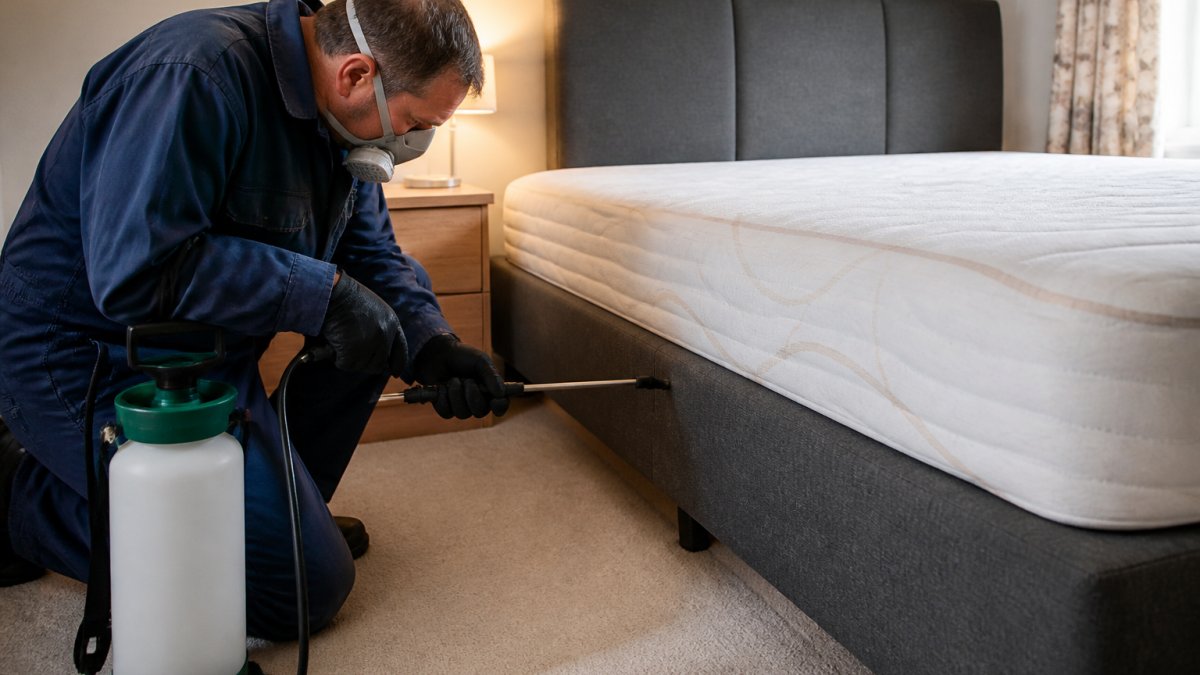
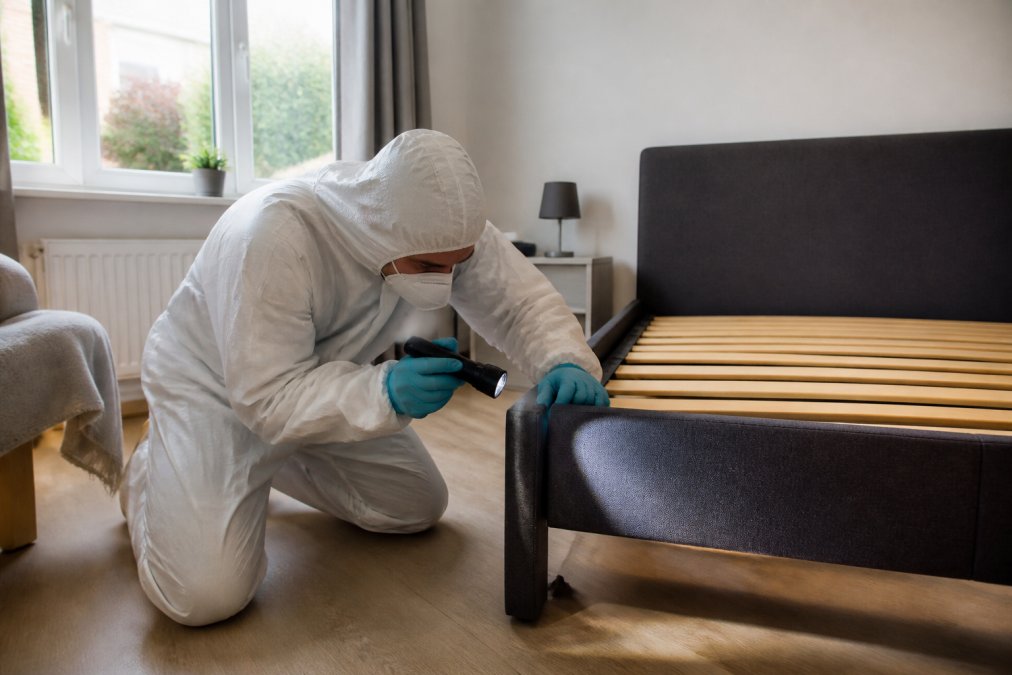
Professional bed bug treatment can address the source, not just the visible insects. A qualified technician can identify harbourage points, treat them properly, and confirm the infestation has cleared.
Choosing a Professional Bed Bug Treatment Service: Key Factors
Choosing a professional bed bug treatment service comes down to qualifications, method and follow-up. Ask for proof before you let anyone into a tenanted property.
- Certification: Technicians should hold a recognised qualification such as RSPH Level 2 in pest management.
- Accreditation: Membership of a trade body such as the NPTA or BASIS PROMPT signals accountability.
- Insurance: Confirm public liability cover before work begins.
- Method: Ask whether they use heat, chemical or combined treatment, and why.
- Follow-up: A reputable firm includes a monitoring visit to confirm clearance.
- Discretion: For occupied rentals, treatment should minimise disruption to tenants.
At ProPest Oxford Ltd, technicians hold a minimum RSPH Level 2 qualification and the team is associated with NPTA and BASIS PROMPT. Appointments are available same-day or next-day, seven days a week, and the focus is on finding the source rather than treating symptoms.
Frequently Asked Questions
Are landlords legally responsible for bed bug treatment in the UK?
Yes, under the Landlord and Tenant Act 1985 and the Homes (Fitness for Human Habitation) Act 2018, landlords must ensure rental properties are fit for habitation. A bed bug infestation breaches this duty. While the tenant may have introduced the bugs, the landlord is typically responsible for eradication to restore the property to a habitable state. Failure to act can lead to council enforcement, rent repayment orders, or legal claims from tenants. Professional bed bug treatment provides the documented evidence needed to demonstrate compliance.
What are the risks of DIY bed bug treatments for rental properties?
DIY treatments often fail because bed bugs hide in deep cracks, behind skirting boards, and inside electrical sockets. Over-the-counter insecticides may kill only visible bugs, leaving eggs and nymphs to survive. This leads to repeated infestations, tenant complaints, and potentially higher professional costs later. Additionally, incorrect chemical use can endanger tenants and damage property. Professional bed bug treatment includes thorough inspection and targeted application, ensuring the infestation is fully resolved and reducing the risk of recurrence.
How do professional pest control services identify bed bug infestations?
Professionals use a combination of visual inspection, canine detection (in some cases), and monitoring devices. They check common harbourage points such as mattress seams, bed frames, headboards, and behind wallpaper. They also look for tell-tale signs like faecal spots, shed skins, and live insects. This thorough approach ensures accurate identification and targeted treatment. For landlords, a professional report also serves as proof of due diligence and helps track the source of the infestation, which is key for preventing bed bugs in rental properties.
What is the average cost of professional bed bug treatment for a flat?
The cost of bed bug extermination for landlords varies based on the size of the property, severity of infestation, and treatment method. For a one-bedroom flat, professional treatment typically ranges from £200 to £500, while larger properties or heat treatments can cost more. However, these figures are indicative only; actual pricing depends on the specific circumstances. It's best to get a tailored quote from a qualified provider. Investing in professional treatment often saves money by avoiding repeated DIY attempts and potential legal costs.
How can landlords prevent bed bug infestations in their properties?
Prevention starts with regular inspections between tenancies, especially in high-turnover properties. Encourage tenants to report signs early and provide mattress encasements. When buying second-hand furniture, inspect it thoroughly. Consider professional monitoring or preventative treatments as part of your maintenance schedule. Educating tenants on bed bug awareness and prompt reporting is also crucial. A proactive approach reduces the risk of costly infestations and fulfils your landlord responsibilities for pest control UK.
Bed bugs rarely stay contained, and every week of delay increases the cost of resolving them. ProPest Oxford Ltd offers same-day or next-day appointments, RSPH Level 2 qualified technicians, and a source-first approach backed by NPTA and BASIS PROMPT accreditation. Get started with ProPest Oxford Ltd and protect your rental income, your tenants and your reputation.