 how-to
Pest Control Guarantee for Recurring Infestations
Table of Contents
- What a Pest Control Guarantee Actually Covers
- Understanding Pest Control Service Contract Terms
- Why Pests Return After Treatment
- How to Choose a BPCA Certified Pest Controller
- Pest Control Treatment Follow-Up Procedures
- Questions to Ask About Your Pest Control Guarantee
- How to Claim on Your Pest Control Guarantee
- Conclusion
- Frequently Asked Questions
Last Updated: 30 August 2026
What a Pest Control Guarantee Actually Covers
A pest control guarantee is a contractual commitment from your service provider to return and retreat your property at no additional cost if the infestation returns within a specified timeframe. It covers the same pest species originally treated, but most guarantees explicitly exclude new infestations from different species, homeowner-caused damage, or infestations resulting from poor property maintenance.
Some companies guarantee only the initial treatment visit, whilst others cover multiple follow-up visits within 30, 60, or 90 days. A guarantee covering unlimited returns during the guarantee period is far more valuable than one covering only one return visit. Many pest control companies structure guarantees around their treatment methodology, meaning the guarantee applies only if you follow their recommended maintenance steps. This is where misunderstandings happen, a homeowner assumes the guarantee is unconditional, but the contract states it's conditional on customer maintenance and prompt reporting of new activity.
Understanding Pest Control Service Contract Terms
Your service contract defines what you're paying for and what happens if things go wrong. The treatment scope section describes exactly what the company will do: interior only or exterior as well, sealing entry points, removing dead pests. These details matter because if the company only treats indoors and the infestation comes from outside, the guarantee might not apply if pests return.
Exclusions void your guarantee. Common ones include infestations caused by structural damage you failed to repair, poor sanitation, treatments applied by other companies between your service and recurrence, and damage from weather or acts of God. Some contracts exclude guarantees if the property has been vacant for extended periods or if you've applied your own pest control treatments.
The follow-up procedures section outlines what you must do if pests return. Typically, you'll need to contact the company within 7 to 14 days of noticing activity (bpca.org.uk). If you wait longer, the company may argue the infestation is new rather than a return of the original problem. Some contracts require photographic evidence or a site inspection before honouring the guarantee.
Payment terms often include clauses about when you pay and whether the guarantee price is included or if follow-up treatments cost extra. A company might offer a "free" follow-up visit but charge for additional treatments if the problem is more severe than expected.
Why Pests Return After Treatment
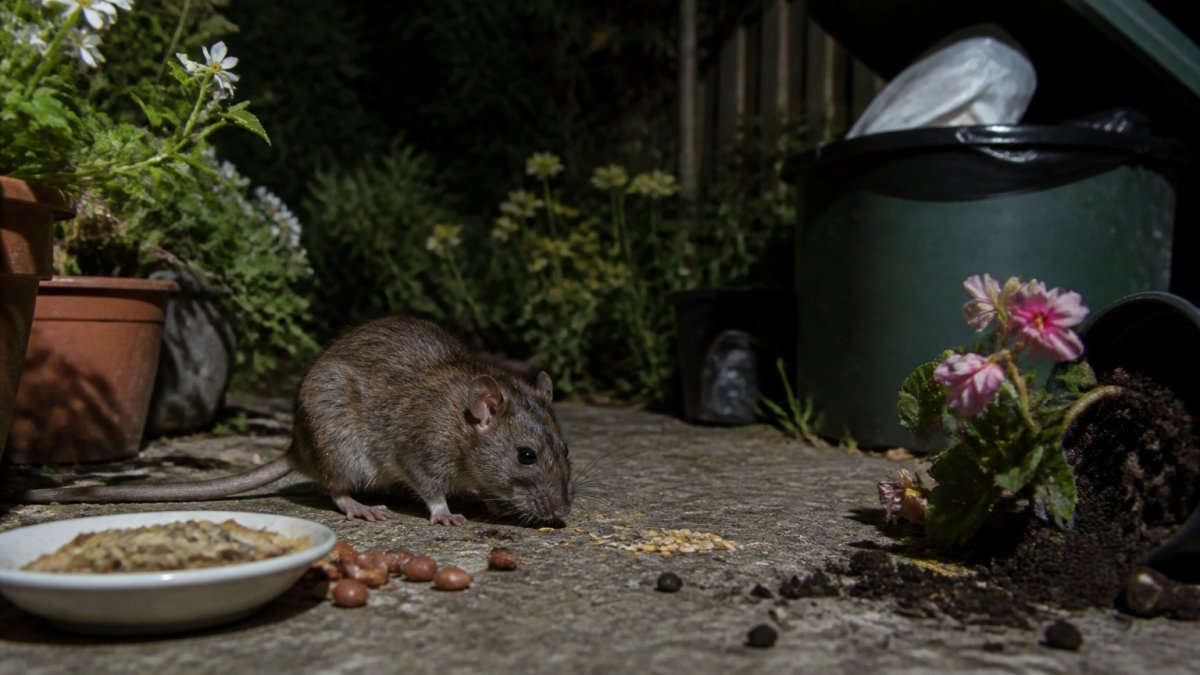
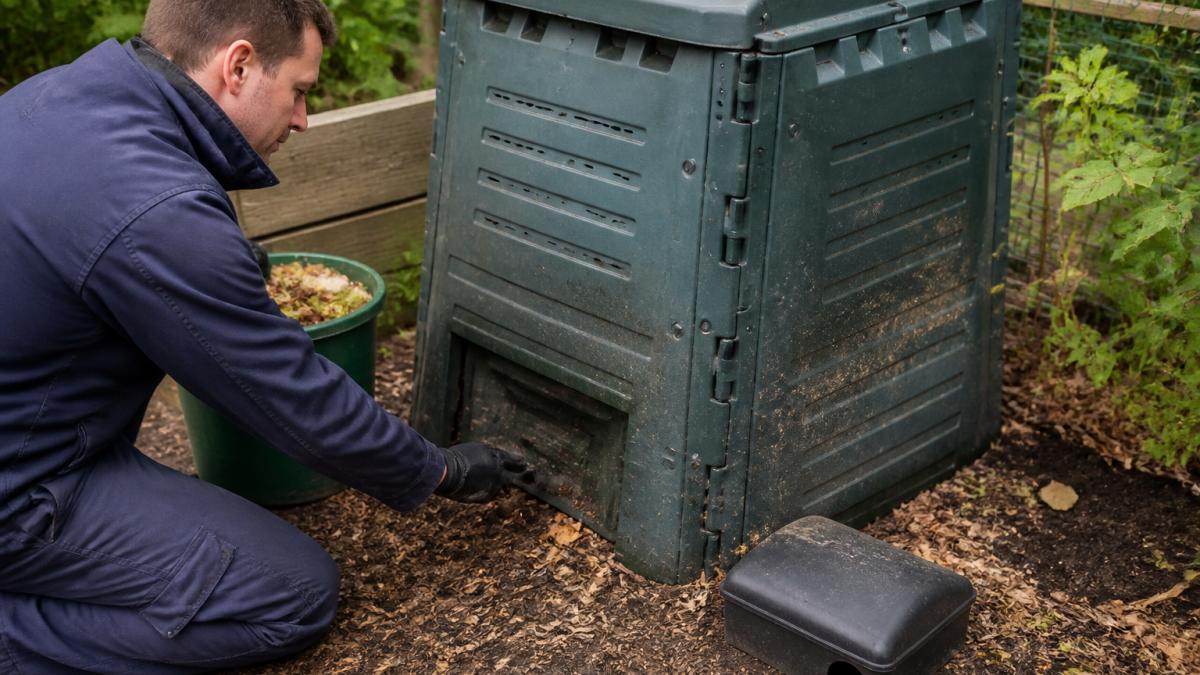
Incomplete treatment is the most common reason infestations recur. A technician may treat visible areas but miss the source, a crack in the foundation, a gap behind kitchen units, or a void in the walls where a nest is established. If the source isn't eliminated, new pests will recolonise the treated area within weeks.
Environmental factors also drive recurrence. If your property has conditions that attract pests, standing water, food sources, clutter, or poor sanitation, new pests will arrive even after the original infestation is eliminated. Treating rats without sealing entry points or removing food sources is a temporary fix.
Seasonal patterns affect pest activity. Some infestations worsen in autumn when pests seek shelter indoors, or in spring when populations expand. A treatment in summer might seem successful, but as temperatures drop in autumn, new pests enter the property.
Neighbouring properties can be a source of reinfestation, especially in terraced houses or apartment blocks. If your neighbour has an untreated infestation, pests may migrate to your property even after successful treatment. Your guarantee may not cover pests coming from next door.
Poor follow-up from the homeowner is another factor. If the company recommends sealing gaps, removing clutter, or storing food properly, and you don't follow those steps, you're inviting reinfestation. Most contracts make the guarantee conditional on the customer taking preventive steps.
How to Choose a BPCA Certified Pest Controller
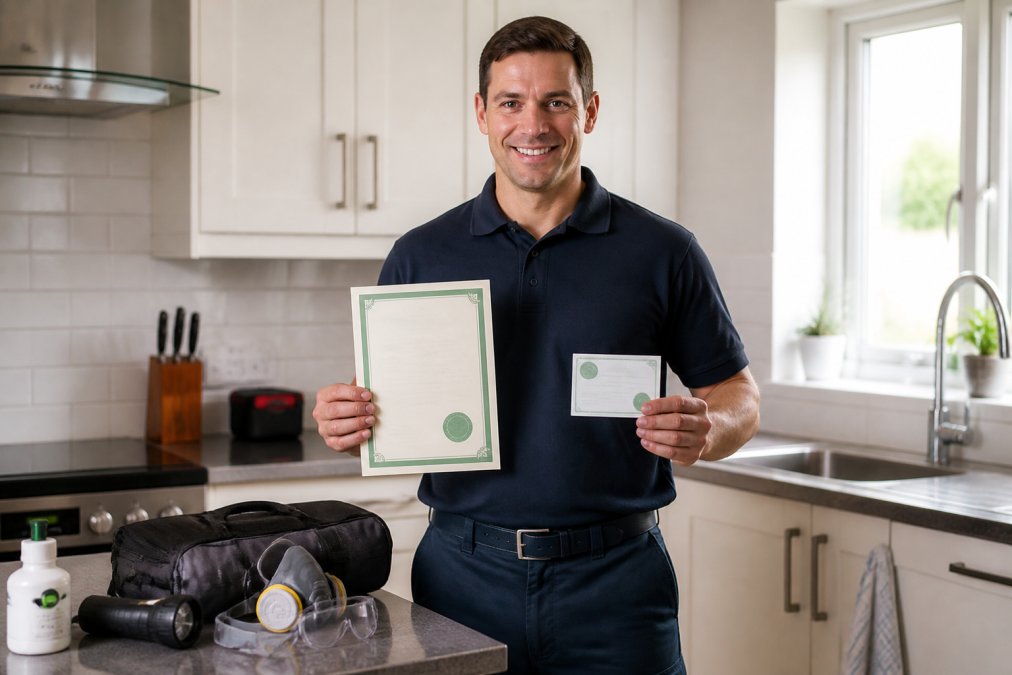
Certification assures you that the technician has formal training and meets industry standards. The British Pest Control Association (BPCA) is the primary professional body for pest control in the UK. Technicians holding BPCA certification have demonstrated competence in pest identification, treatment methods, and safety protocols.
Look for technicians holding at least RSPH Level 2 qualification in pest management (rsph.org.uk). This baseline standard indicates formal training in pest biology, control methods, and health and safety. Some technicians hold higher qualifications, RSPH Level 3 or BPCA membership, which signal deeper expertise.
Verify certification directly with the issuing body. Visit the BPCA website or contact the Royal Society for Public Health (RSPH) to confirm. A reputable company will provide certification numbers or encourage you to verify independently.
Ask about continuing professional development. Pest control methods and regulations change. A technician who completed their qualification years ago but hasn't had further training may use outdated approaches. Companies investing in ongoing training are more likely to deliver effective, current solutions.
Membership in professional bodies like NPTA (National Pest Technicians Association) or registration with BASIS PROMPT also indicates commitment to standards. Insurance is another marker of professionalism. A certified pest controller should carry public liability and professional indemnity insurance. Ask to see proof before booking.
ProPest Oxford Ltd employs technicians with minimum RSPH Level 2 qualifications and maintains NPTA membership and BASIS PROMPT registration. This combination reflects the standard you should expect from any reputable provider.
Pest Control Treatment Follow-Up Procedures
The first follow-up visit usually occurs 7 to 14 days after initial treatment (bpca.org.uk). The technician checks whether treatment has been effective, looks for new pest activity, and applies additional treatment if needed. This visit is crucial because some pest life cycles mean not all pests are killed in the first application; eggs may hatch after treatment, requiring a second application.
Between visits, monitor your property for pest sightings, droppings, or damage. Note the date, time, and location. This information helps the technician understand whether the infestation is returning or whether you're seeing remnants of the original problem. Most contracts require you to report activity within 7 to 14 days to claim on the guarantee.
Some companies offer preventive follow-up visits after the initial treatment period ends, monthly, quarterly, or annual visits designed to catch early signs of reinfestation. These are often optional and may cost extra, but they're valuable for properties with recurring issues or high-risk environments.
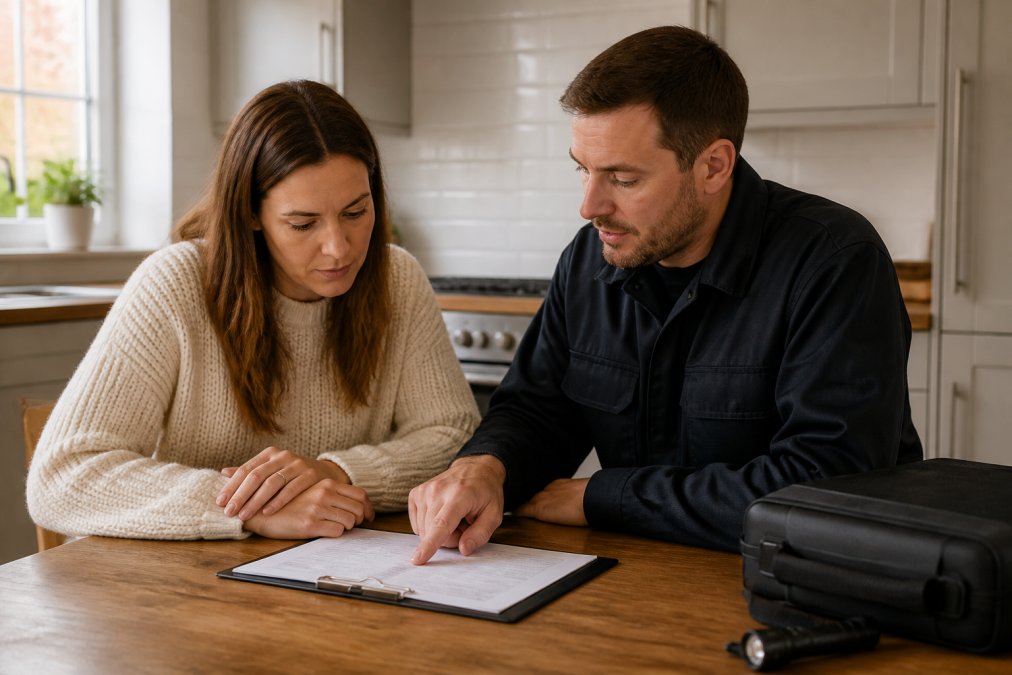
Documentation is essential. The technician should provide a report after each visit detailing what was done, what was found, and what you need to do to prevent recurrence. Keep all reports and correspondence in a safe place.
If you notice new pest activity, contact the company immediately rather than waiting for the scheduled follow-up visit. A responsive company will send a technician quickly or provide advice. Delays in reporting can complicate the guarantee claim.
Questions to Ask About Your Pest Control Guarantee
How long is the guarantee period? Is it 30, 60, 90 days, or longer? Longer is generally better if other terms are reasonable.
Which pest species are covered? Confirm that the specific pest you have is included. Some guarantees are broad whilst others are narrow.
What conditions must I meet for the guarantee to apply? Must you seal gaps, remove clutter, avoid other pest control products? Get the answer in writing.
How many follow-up visits are included? Is it one free visit or unlimited visits during the guarantee period?
How do I claim on the guarantee? What's the process? Do you need photographic evidence? How quickly will they respond?
What's not covered? Ask explicitly about exclusions. Will the guarantee apply if pests return from a neighbouring property or if you've applied your own treatments?
Is the guarantee transferable? If you sell the property, can the new owner claim on the remaining guarantee period?
Do you offer a maintenance plan? Some companies offer annual or quarterly inspections as an alternative to one-off treatment, often with extended or unlimited guarantees.
How to Claim on Your Pest Control Guarantee
Claiming on your guarantee requires following the process outlined in your contract. Failure to follow the procedure can result in the company refusing to honour the guarantee.
Step 1: Identify the problem promptly. Monitor your property regularly for signs of pest activity. Most contracts require you to report within 7 to 14 days of noticing activity.
Step 2: Contact the company immediately. Call or email with details of what you've observed, where, and when. Have your original service report and contract details ready.
Step 3: Document everything. Take photographs of droppings, damage, or pests if possible. Note the date and location of each sighting. Keep evidence in a sealed container if the company asks to examine it.
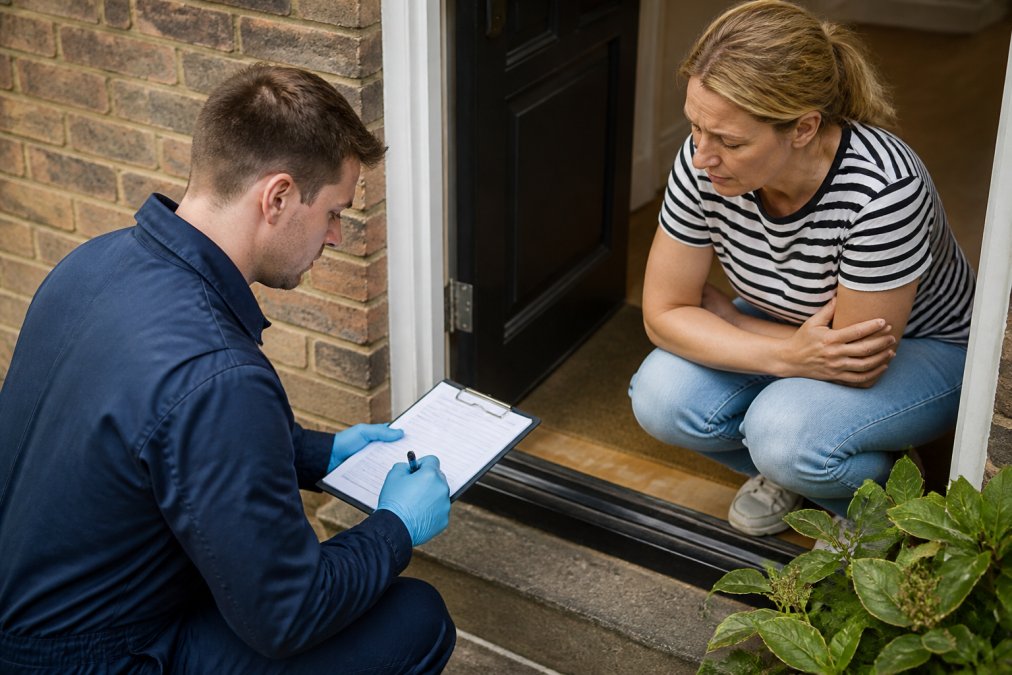
Step 4: Cooperate with the inspection. The company will send a technician to confirm that the infestation has returned rather than being a new, separate problem. Be honest about any changes to the property that might have contributed to reinfestation.
Step 5: Understand the outcome. The company will either confirm the guarantee applies and provide free treatment, or explain why it doesn't. If they refuse, ask for a detailed written explanation.
Step 6: Follow preventive advice. Once follow-up treatment is complete, implement any recommendations to prevent further recurrence.
Conclusion
A pest control guarantee is valuable only if you understand what it covers and what conditions apply. The guarantee is meaningful when the company identifies the source of infestation rather than just treating symptoms, and when you follow their preventive recommendations.
ProPest Oxford Ltd delivers professional pest control with a focus on identifying the source of infestation. With technicians holding RSPH Level 2 qualifications and NPTA membership, the company combines expertise with accountability. When you choose a certified provider and understand your guarantee terms, you're far more likely to achieve lasting results rather than a cycle of recurring problems.
Frequently Asked Questions
What does a standard pest control guarantee cover?
A standard pest control guarantee typically covers the return of the same pest species within a specified period, usually 30 to 90 days, at no additional cost if the infestation recurs. Coverage usually applies only to the treated area and assumes you've followed the technician's advice regarding sanitation and prevention. Most guarantees exclude new infestations from different pest types or entry points the technician didn't treat. Always check the written terms, as guarantees vary significantly between providers. Some cover labour costs only, whilst others include materials and repeat treatments.
Are pest control service guarantees legally binding in the UK?
Yes, pest control guarantees are legally binding under the Consumer Rights Act 2015 and the Unfair Contract Terms Act 1977. The guarantee must be fair, transparent, and not exclude liability for death, personal injury, or breach of statutory duty. However, guarantees can exclude liability if the customer fails to follow aftercare instructions or if new pests enter from external sources. Reputable pest control providers, especially those certified by the BPCA or BASIS PROMPT, clearly outline guarantee terms in writing before treatment begins, ensuring compliance with consumer protection law.
Why do pests return after professional treatment?
Pests often return because the root cause, entry points, food sources, or harbourage areas, wasn't fully addressed. Professional treatment kills existing pests but cannot prevent new ones from entering if gaps, cracks, or conducive conditions remain. Inadequate follow-up inspections, poor sanitation practices by the property owner, or seasonal pest pressure can also lead to recurrence. This is why experienced pest controllers focus on identifying the source of infestation, not just treating symptoms. A comprehensive approach includes sealing entry points, removing attractants, and scheduling follow-up visits to monitor and prevent re-infestation.
How do I claim on a pest control guarantee?
To claim on your pest control guarantee, contact your provider within the guarantee period and document evidence of the recurring infestation, photos, dates, and pest sightings. Provide your original service documentation and proof that you've followed aftercare instructions. Most reputable providers will arrange a free re-treatment visit to inspect and verify the claim. Be prepared to discuss any changes to the property, new entry points, or conditions that may have changed since the initial treatment. Keep all paperwork from your original service, including the guarantee terms and any follow-up inspection reports, as these will support your claim.
Get started with ProPest Oxford Ltd and ensure your property remains protected from the persistent threat of pests. With same-day or next-day appointments available seven days a week, professional treatment, and a commitment to identifying the root cause of infestations, you'll have peace of mind that your pest problem is genuinely resolved. Book a service today.