 how-to
Safe Pest Control for Pets: A 2026 How-To Guide
Table of Contents
- Safe Pest Control for Pets: What You Need Before You Start
- Pet-Friendly Pest Control Methods That Actually Work
- How Long to Keep Pets Away After Pest Control
- Signs of Pesticide Toxicity in Cats and Dogs
- Safe Pest Control for Pets When You Hire a Professional
- Common Mistakes That Put Pets at Risk
- Frequently Asked Questions
Last Updated: September 16, 2026
Safe Pest Control for Pets: What You Need Before You Start
Safe pest control for pets begins long before you open a trap or a bottle. It starts with understanding what you're dealing with, where your animals spend their time, and which treatments carry real risk. This guide from ProPest Oxford Ltd walks through the practical steps that keep dogs, cats, and other household animals out of harm's way while the infestation gets dealt with properly.
Most pet poisonings from pest control are preventable, and they usually happen for one of two reasons: the wrong product used in the wrong place, or a pet returning to a treated area too soon. Both are avoidable with a bit of planning.
Below, we'll show you exactly how to assess the problem, choose pet-friendly methods, and know when to bring in a professional.
Assess the Infestation and Your Pet's Risk
Identify the pest first, because the treatment depends entirely on it. Rodents, ants, wasps, fleas, and bed bugs each need a different approach, and some "universal" products are far more dangerous to pets than the pest itself.
Walk your property and note:
- Where you've seen droppings, gnaw marks, or live insects
- Which rooms your pets access freely
- Where your pet eats, sleeps, and grooms
- Any outbuildings, sheds, or gaps where rodents enter
A common mistake is treating the whole house when the activity is confined to one wall cavity or loft space. Targeted treatment means less product, less risk, and better results.
Gather Your Equipment and Set Up a Safe Zone
Before any treatment starts, set up a containment plan. This is the step most people skip, and it's the one that matters most.
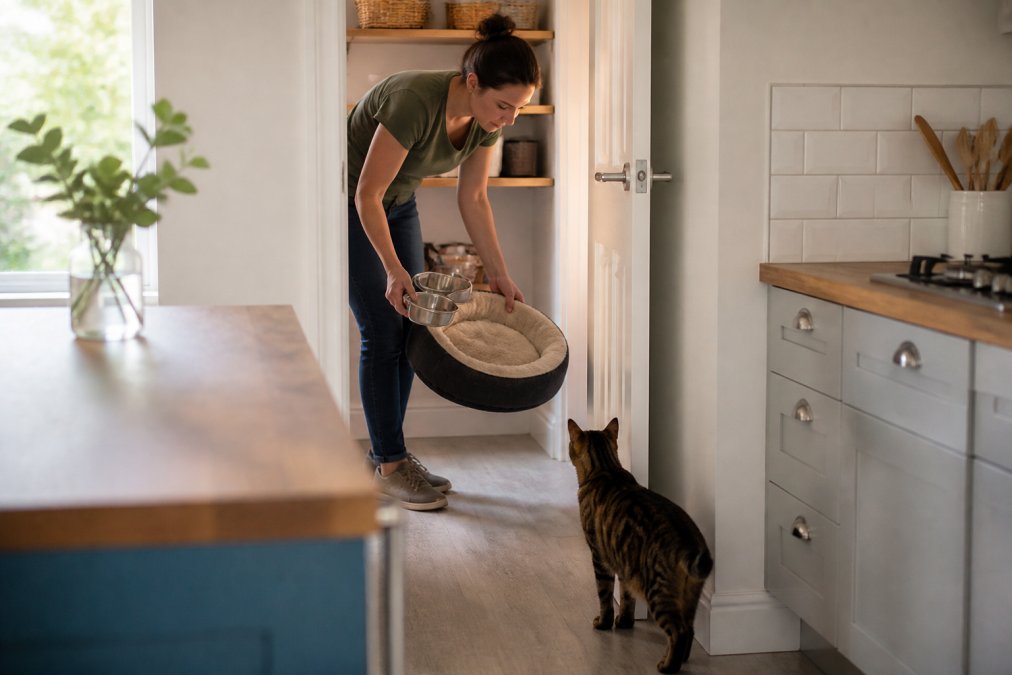
- Move food bowls, water bowls, and pet beds out of the treatment area
- Close off rooms with doors or baby gates
- Have a crate or carrier ready if you need to move a pet quickly
- Keep a note of your vet's out-of-hours number
Pet-Friendly Pest Control Methods That Actually Work
Effective pet-friendly pest control relies on physical exclusion and targeted low-toxicity products rather than broad spraying. The goal is to remove the pest's access and food source, then treat only what remains.
Traps, Barriers and Mechanical Controls
Mechanical methods carry the lowest risk because they don't rely on poison at all.
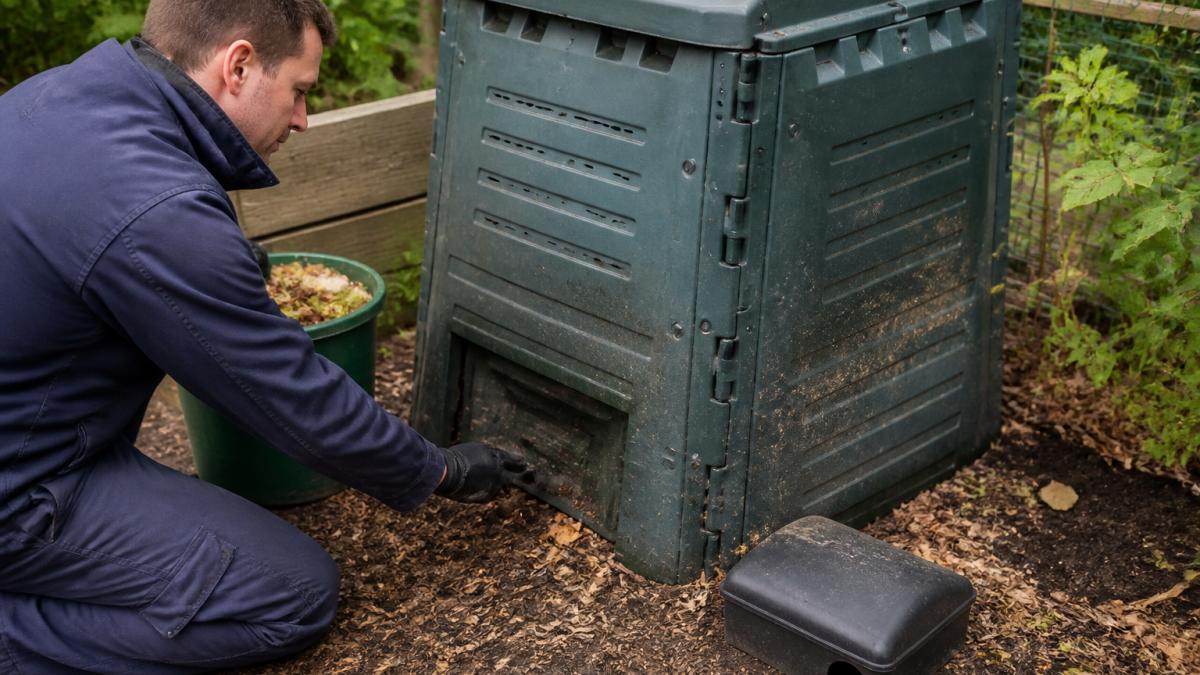
- Snap traps placed inside tamper-resistant boxes, positioned where pets and children cannot reach
- Live-catch traps for rodents, checked at least twice daily
- Copper mesh and steel wool to block entry gaps around pipes and vents
- Door sweeps and draught excluders to close the obvious routes in
- Sticky monitors for early detection, never as a primary control method
The thing nobody tells you about traps is placement. Putting them along skirting boards where rodents actually travel beats scattering them randomly every time.
Low-Toxicity Products and Targeted Application
When you do need a product, choose one formulated for the specific pest and apply it only where the pest travels, never across open floor space.
- Use tamper-resistant bait stations rather than loose bait
- Apply gels and dusts into cracks, voids, and wall cavities
- Never use rodenticide in a home with free-roaming pets or young children
- Read the label for the pet warning section, not just the instructions
For guidance on approved active substances and how they should be used, the Health and Safety Executive's pesticide information sets out the rules that apply to professional and amateur use.
How Long to Keep Pets Away After Pest Control
The safe waiting period depends on the product and the application method, not a single universal number. As a working rule, keep pets away from any treated area until all surfaces are completely dry and the product has fully settled, which typically means several hours rather than minutes.
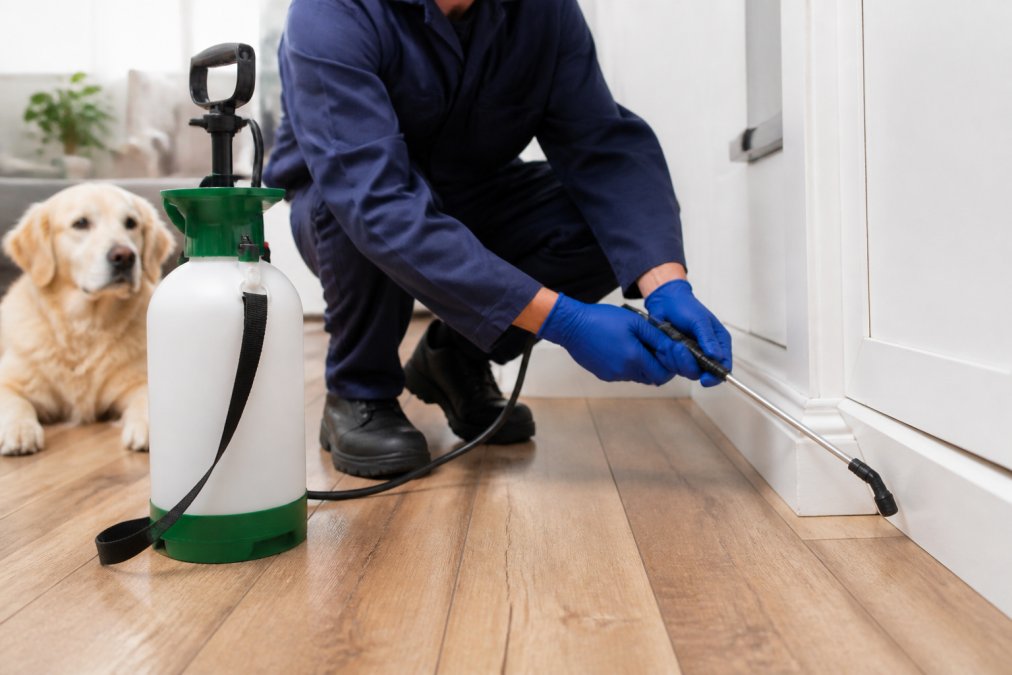
For most indoor treatments, plan on keeping pets out of the room for at least the rest of the day. For foggers, sprays, and outdoor treatments, extend that to 24 hours or follow the label's specific re-entry time. If you're unsure, longer is always safer.
| Treatment Type | Typical Re-Entry Time | Key Precaution |
|---|---|---|
| Tamper-resistant bait station | No restriction if sealed | Keep station closed and fixed |
| Indoor gel or dust | Until dry, often 4-6 hours | Ventilate the room |
| Indoor spray | 24 hours | Remove bowls and bedding first |
| Outdoor spray or granules | Until fully dry | Keep pets off treated lawn |
| Fogger or flea bomb | 24 hours plus ventilation | Fish tanks must be covered |
Signs of Pesticide Toxicity in Cats and Dogs
Recognising the signs of pesticide toxicity in cats and dogs early makes a real difference to the outcome. Symptoms usually appear within hours of exposure, and they range from mild to life-threatening.
Watch for:
- Excessive salivation, drooling, or foaming at the mouth
- Vomiting, diarrhoea, or loss of appetite
- Tremors, twitching, or muscle weakness
- Dilated pupils, disorientation, or stumbling
- Difficulty breathing or a racing heart rate
- Collapse or seizures
Cats are especially vulnerable because they groom themselves constantly and will ingest anything on their fur. If you suspect exposure, move the animal to fresh air, wash any product off the skin with lukewarm water and mild soap, and do not induce vomiting unless a vet tells you to.
When to Call Your Vet Immediately
Call your vet straight away if you see tremors, seizures, breathing difficulty, or collapse. These are emergencies, not wait-and-see symptoms.
Bring the product packaging or a photo of the label with you. Knowing the active ingredient and its concentration lets your vet choose the right treatment fast. For suspected poisoning in people, the NHS guidance on poisoning advises contacting emergency services or a medical professional without delay.
Safe Pest Control for Pets When You Hire a Professional
A qualified technician removes most of the guesswork, but you still play a part. Before booking, ask what products will be used, whether they're safe around pets once dry, and what re-entry period applies.
At ProPest Oxford Ltd, technicians hold a minimum RSPH Level 2 qualification and the business is associated with NPTA and BASIS PROMPT, so you can ask specific questions about the treatment plan and get clear answers. Appointments are available seven days a week, including same-day or next-day slots for urgent infestations.
The real difference between a DIY job and a professional one often comes down to source identification. Treating the visible activity without finding the entry point or nest is why infestations return. A proper survey looks at how the pests are getting in, not just where they're being seen.
Common Mistakes That Put Pets at Risk
The biggest mistake is treating a room and letting pets back in before surfaces are dry. Second is using a product intended for outdoor or agricultural use inside a home.
Others worth avoiding:
- Leaving bait where a pet can reach it, even in a "pet-proof" container
- Using flea treatments meant for dogs on cats
- Storing opened products in a shed or garage a pet can access
- Forgetting that secondary poisoning can occur if a pet eats a poisoned rodent
- Skipping the label because you've "used it before"
If you're coming from a DIY approach that hasn't worked, expect a professional survey to look quite different.
Frequently Asked Questions
How can I get rid of pests without harming my pets?
Start with pet-friendly pest control methods: sealed bait stations, snap traps placed inside covered boxes, and physical barriers such as door sweeps and mesh over air bricks. If you use a low-toxicity spray, apply it only to cracks, skirting boards and areas your pet cannot reach, then ventilate the room and keep pets out until the surface is dry. For persistent infestations, a professional can identify the source and choose a treatment suited to a household with animals.
How long should pets stay away after pest control spraying?
Most indoor surface sprays need two to four hours to dry before pets return, but this varies by product and formulation. Check the label instructions and follow them exactly. Outdoor treatments usually need pets kept off the treated area until it is dry, often a few hours. If a fogger or ULV treatment was used, keep pets out for longer, sometimes overnight, and ventilate thoroughly. Ask your technician for a specific return time before they leave.
What are the signs of pesticide toxicity in cats and dogs?
Watch for vomiting, diarrhoea, excessive drooling, tremors, twitching, difficulty walking, dilated pupils, lethargy or difficulty breathing. Cats may groom treated surfaces and ingest residue, so symptoms can appear without obvious exposure. If you suspect pesticide toxicity, move your pet to fresh air, do not induce vomiting, and contact your vet straight away. Bring the product label or name with you so the vet knows what was used.
Are professional pest control treatments safe for dogs and cats?
Qualified technicians use products approved for domestic settings and apply them in ways that limit pet exposure, such as targeting cracks and voids rather than open surfaces. You will be told how long to keep pets away after pest control and which areas to avoid. Tell the technician about your pets, their species and any health conditions beforehand. A professional assessment of the infestation also reduces the amount of product needed.
Pest problems are stressful enough without worrying about your animals. Getting the treatment right the first time means your pets stay safe and the infestation doesn't come back. ProPest Oxford Ltd offers same-day and next-day appointments, RSPH Level 2 qualified technicians, and a focus on finding the source of the problem rather than just the symptoms. Get started with ProPest Oxford Ltd and restore a safe, pest-free home for your whole family, pets included.