 How-to
Safe Pest Control Methods for Restaurants: A UK Guide
Quick Summary
The most effective pest control methods for restaurants start with prevention: clean as you go, store food in sealed containers and keep bins closed. Check every delivery, seal entry points and keep a monitoring log, calling a professional when signs of rats or mice appear. Treatment is the backup, not the first line of defence.
- Wipe down prep surfaces after each task, not only at closing time.
- Check every delivery for droppings, gnaw marks, insects and webbing before accepting it.
- Fit brush strips or threshold seals to external doors, keeping the gap no wider than a pencil.
- Keep a monitoring log recording date, area, signs found, action taken and who checked.
- Call a qualified technician when you see signs of rats or mice, or when pests return after cleaning.
Table of Contents
- Why Pest Control Methods Matter for Food Safety in UK Restaurants
- Preventing Pests Through Cleaning, Food Storage and Waste Control
- Sealing Entry Points and Checking Deliveries
- Food Premises Pest Control Procedures: A Pest-by-Pest Response Plan
- Controlling Flies Without Contaminating Food
- How Often to Schedule Inspections and Keep Monitoring Records
- Booking a Professional Assessment for Your Premises
- Frequently Asked Questions
Why Pest Control Methods Matter for Food Safety in UK Restaurants
Last Updated: 16 November 2026
A single rat sighting in a restaurant kitchen can close the doors for a day, and the damage to trust lasts far longer. Safe pest control methods for restaurants protect your food, your staff and your reputation at the same time.
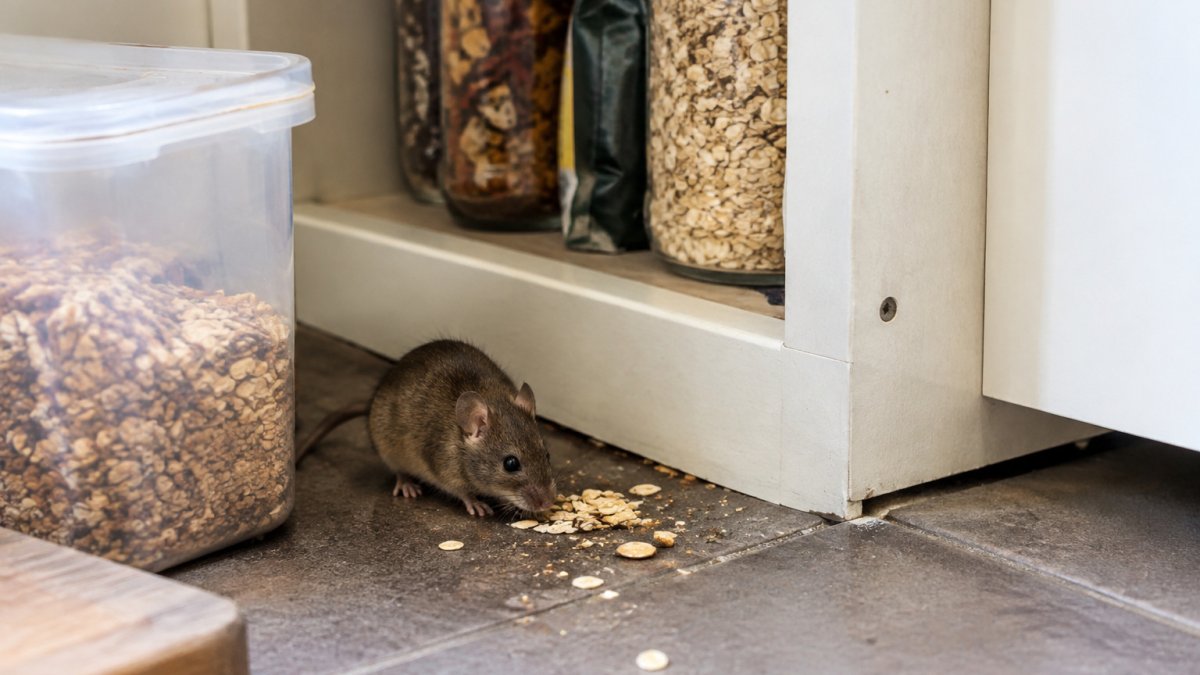
Pests carry bacteria onto food contact surfaces, into dry stores and onto preparation areas. Flies, cockroaches and rodents do not need to be seen to cause harm. Their droppings, urine and hair can contaminate food long before anyone spots them. That is why food safety and pest control go hand in hand.
Good results usually come from prevention first, with treatment as a backup. A sensible approach combines good hygiene, sealed premises and regular inspections.
Preventing Pests Through Cleaning, Food Storage and Waste Control
Prevention is the cheapest and most reliable pest control method a restaurant has. Pests are drawn to food, water and shelter, so removing those three things makes your kitchen far less attractive.
- Clean as you go. Wipe down prep surfaces after each task, not only at closing time.
- Sweep and mop floors daily, paying attention to the gaps under equipment.
- Empty bins often and keep lids closed at all times.
- Store dry goods in sealed, pest-proof containers off the floor.
- Keep all food covered, including stock pots and prepared items in the fridge.
Waste control matters just as much. Outside bins should sit on a hard, clean surface, away from the building wall where possible. Wash bins regularly and keep the area around them clear of spilt food and rubbish. Watch out: leaving waste bags on the floor overnight is one of the most common ways rats find an easy meal.
Sealing Entry Points and Checking Deliveries
Pests often arrive with stock. Check every delivery for signs of pests before you accept it. Look at boxes and pallets for droppings, chewed packaging or insects. Inspect the underside of cases, because pests can hide there. Pay particular attention to the seams and folded corners of cardboard, where cockroaches and stored-product pests shelter, and to pallet voids where rodents nest.
A delivery that shows any of the following should be refused or quarantined and reported to the supplier: live or dead insects, rodent droppings, gnaw marks, webbing or larvae in dry goods, or packaging that has been punctured or crushed in a way that could let pests in. Keep a short delivery-check record, date, supplier, product, what was found and what you did, because this is the kind of evidence a food hygiene inspector or auditor will ask to see.
Next, look at the building itself. Gaps around pipes, cables, doors and windows give rodents and insects a way in. Seal small gaps with suitable materials, and fit fly screens to open windows. Keep doors closed except when in use, and check that door seals are intact.
Proofing is where many restaurants fall down, because the obvious gaps get sealed and the subtle ones are missed. Work around the building methodically:
- Doors. Fit brush strips or threshold seals to external doors, and check that the gap at the bottom is no wider than a pencil. Fit door closers so doors cannot be left ajar, and keep fire doors closed as well, a propped fire door is both a fire risk and a pest entry route.
- Windows and vents. Fit fly screens to openable windows, and check that air bricks and vents are intact and fitted with mesh. Rodents can enter through gaps as small as a few millimetres around pipework, so seal penetrations where services enter the building with mortar, metal collars or approved sealant. If you already see rat or mouse activity, a professional rodent survey for Oxford and Oxfordshire can assess the activity, entry routes and next steps.
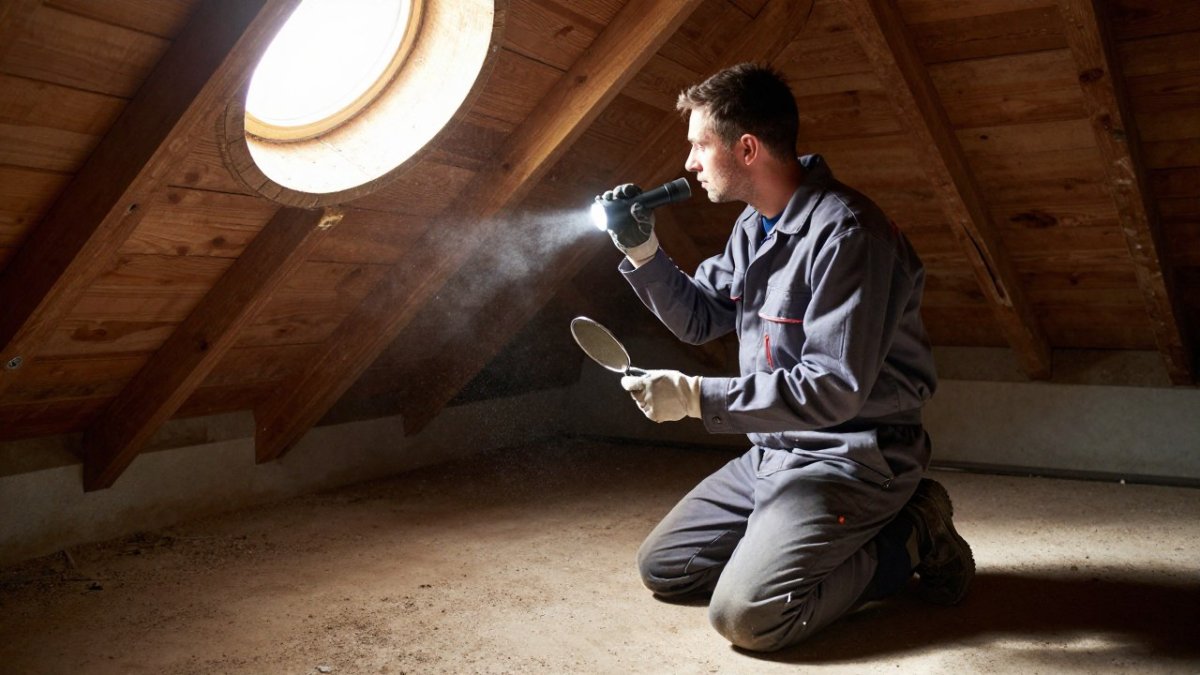
- Roof and loft spaces. Check for broken tiles, gaps around flues and unscreened roof vents. Birds and rodents use these routes, and a loft space above a kitchen is a common harbourage.
- Drains and waste routes. Fit drain covers and keep them in place. Check that external waste pipes and soil stacks are intact, because rats use them to move between properties.
- Deliveries and back doors. The back door is the busiest pest entry point in most kitchens. Keep it closed when not in use, fit a fly screen or curtain, and make sure delivery drivers do not prop it open while unloading.
Sealing a gap without first confirming there is no active infestation inside can trap pests in the building and make the problem worse, so check for activity before you close an entry point.
Once proofing is in place, monitor it. A monthly walk-round of the building perimeter, doors, vents and roof space will catch seals that have perished or been damaged. Record what you find, because proofing that is not checked quietly fails.
Food Premises Pest Control Procedures: A Pest-by-Pest Response Plan
Different pests need different responses. Use this plan as a starting point for your food premises pest control procedures, and adapt it to your site.
| Pest | Common sign | Immediate action | Longer-term step |
|---|---|---|---|
| Rats and mice | Droppings, gnaw marks, grease trails | Remove food access, call a professional | Seal entry points, set monitoring stations |
| Cockroaches | Egg cases, smear marks, musty smell | Clean thoroughly, reduce moisture | Targeted treatment, delivery checks |
| Stored-product pests | Webbing, larvae in dry goods | Discard infested stock, clean shelves | Store food in sealed containers, rotate stock |
| Flies | Swarming near bins or drains | Remove the source, clean drains | Fly screens, electronic fly killers |
Safe treatment during service needs care. Keep food and prep surfaces covered before any treatment begins. Use only products suitable for food premises, and follow the label instructions exactly. After treatment, clean surfaces that could have come into contact with the product, and allow the area to ventilate before reopening.
Controlling Flies Without Contaminating Food
Flies are a constant problem in restaurants, especially near bins, drains and open doors. The aim is to remove what attracts them and then block their access. Electronic fly killers and fly screens can suit food areas because they do not require chemicals to be sprayed near food. Restaurant managers can find professional fly control built for commercial kitchens on the ProPest website.
Where a chemical treatment is needed, a professional should apply it in areas away from food and prep zones. Operators in Oxford can explore fly control in Oxford from a local provider.
How Often to Schedule Inspections and Keep Monitoring Records
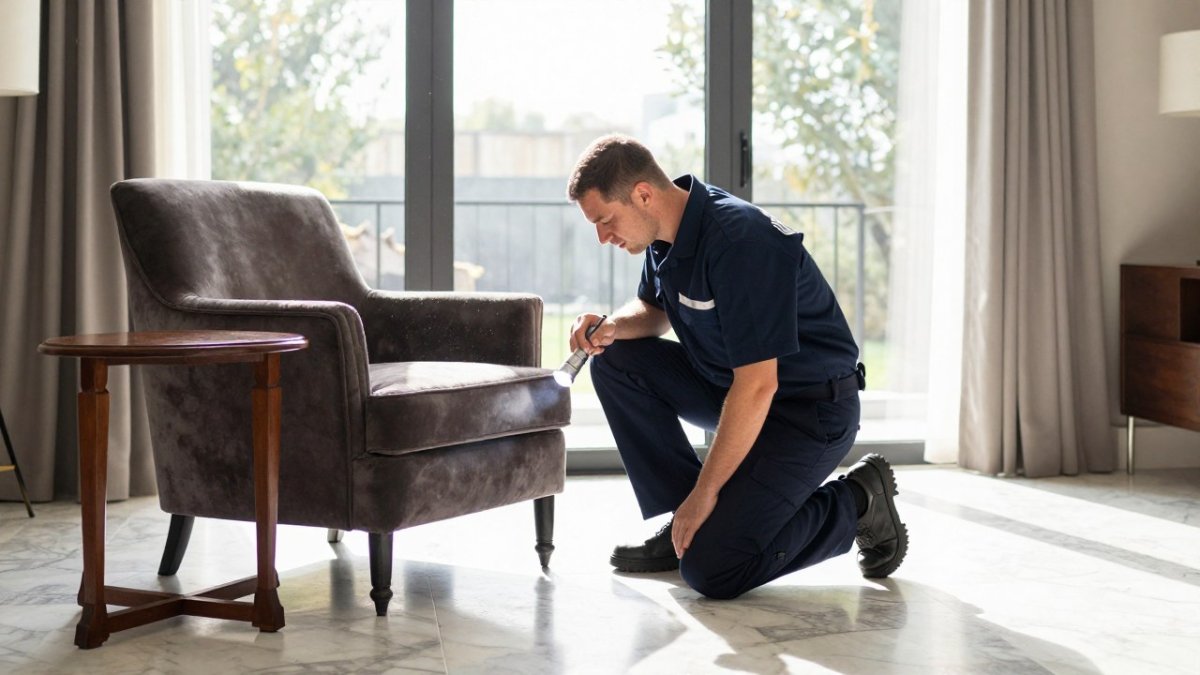
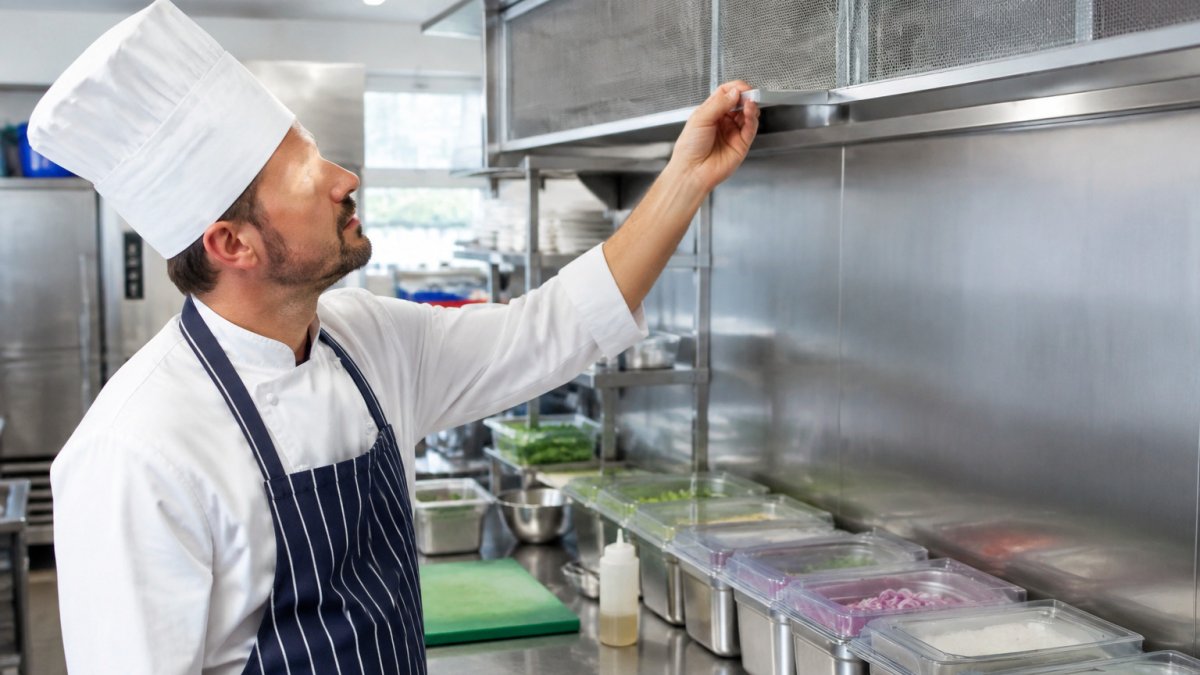
Routine inspections are the backbone of a good pest management plan. Some restaurants schedule professional visits monthly, with weekly checks by staff. The right frequency depends on your site, your history and your local risk.
What separates a strong monitoring system from a weak one is the record. A simple log that captures sightings, trap checks, corrective actions and contractor visits is what lets you demonstrate control and follow-up, to your own team, to a contractor and to a food hygiene inspector. The record does not need to be complicated, but it does need to be consistent.
A workable monitoring log has one row per check, with columns for:
- Date and time of the check.
- Area checked, dry store, kitchen, bin store, delivery bay, roof space, and so on.
- What was checked, bait station, fly killer, door seal, delivery, and so on.
- Signs found, droppings, gnaw marks, live insects, larvae, webbing, smear marks, or 'none'.
- Action taken, cleaned, sealed, discarded stock, escalated to manager, called contractor.
- Who checked and who reviewed the entry.
Keep the log where staff can reach it, and review it weekly as a manager. Patterns matter more than single entries: repeated sightings in the same dry store, or trap catches that rise over a few weeks, are early warnings that a control measure is failing.
A useful staff checklist includes:
- Check bins and external areas at opening and closing
- Inspect deliveries before accepting them
- Look for droppings or gnaw marks in dry stores weekly
- Record all findings and actions in the monitoring log
- Report any sighting to the manager the same day
Audit readiness is the reason to keep the log current rather than filling it in retrospectively. A food hygiene inspector or a third-party auditor will typically ask to see evidence of routine monitoring, corrective action and contractor visits. A log that shows a sighting followed by a documented action and a follow-up check is far stronger than a blank log.
Watch out: a log that records only 'no signs' every week, with no detail on areas checked or traps inspected, is weak evidence and can count against you if an inspector probes it, record what you actually checked, not just the outcome.
Escalate to a qualified technician when you see signs of rats or mice, when pests return after cleaning, when a trap catch rises over consecutive checks, or when you cannot identify the source. A professional assessment should look for the source of the problem, not just the symptoms.
Booking a Professional Assessment for Your Premises
Some pest problems are too serious for staff to handle alone. If you see signs of rats or mice, or if pests return after cleaning, a professional assessment is the sensible next step. You can review the professional pest control services on offer and how to book an assessment.
ProPest Oxford Ltd's technicians hold a minimum RSPH Level 2 qualification, and appointments are available same-day or next-day, seven days a week. Premises across the county can book through the pest control service covering Oxfordshire. For current prices or a quote, please visit the ProPest Oxford Ltd website.
Frequently Asked Questions
How can restaurants prevent pests safely?
Restaurants prevent pests mainly through good housekeeping: clean as you go, store food in sealed containers off the floor, keep bins covered and emptied regularly, and check deliveries and packaging before they enter the kitchen. Sealing gaps around pipes, doors and vents stops entry points from being used. Prevention reduces how often treatments are needed, which lowers the risk to food and staff. Any treatment should be carried out by a qualified technician who can advise on products that are suitable for a food premises.
How often should a restaurant have pest control inspections?
Inspection frequency depends on the size of the premises, the type of food handled, the pests found and the advice of your pest control provider. Many food premises arrange regular monitoring visits, with more frequent checks after a sighting or where a problem is recurring. Each visit should be recorded, with findings, actions taken and any corrective steps. Keeping these records helps demonstrate due diligence during food hygiene inspections by your local authority.
How can restaurants control flies without contaminating food?
Use fly screens on openings, electronic fly killers positioned away from food preparation and service areas, and keep food covered at all times. Remove the sources that attract flies, including open waste, spillages and standing water. Where insecticides are needed, a qualified technician should select a product approved for use in food premises and apply it in a way that prevents food contamination. Staff should not spray products near food, and all treated areas should be cleaned and checked before service resumes.
What should restaurant staff do if they spot a pest?
Staff should not handle or attempt to remove the pest themselves. They should note the location, the type of pest and any droppings or damage, then report it to the manager straight away. Food in the affected area should be covered or moved to a safe place, and the area should be isolated until a qualified technician has assessed it. Recording the sighting in the premises monitoring log helps identify patterns and supports any corrective action taken.