 how-to
What Attracts Rats to Your Garden at Night: 2026 Guide
Table of Contents
- Why Rats Target Gardens After Dark
- Food That Attracts Rats to Your Garden
- Does Compost Attract Rats?
- Signs of Rats in the Garden
- How to Prevent Rats in the Garden
- Removal Methods and When to Call a Professional
- Frequently Asked Questions
Last Updated: October 9, 2026
Why Rats Target Gardens After Dark
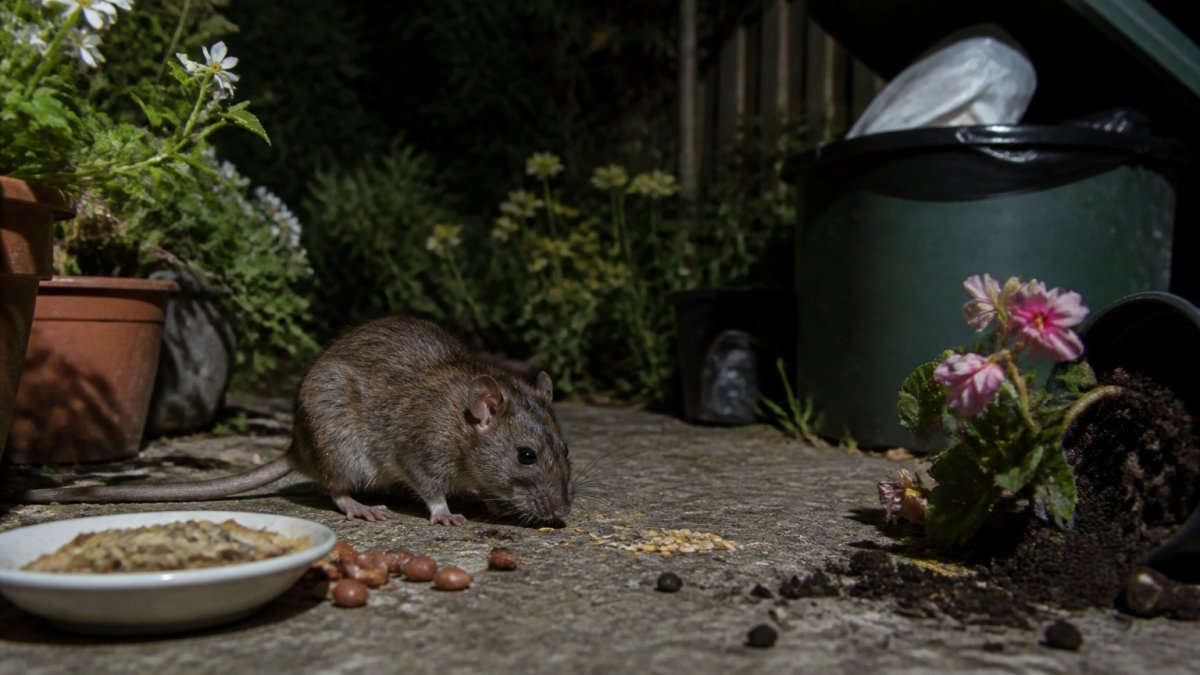
Rats are nocturnal feeders, so your garden becomes a night-time buffet while you sleep, and knowing what attracts rats to your garden at night is the key to stopping them. Understanding what attracts rats to your garden at night is the first step to stopping them. At ProPest Oxford Ltd, the cause of rodent problems is almost always food, water, or shelter left within easy reach.
Rats need three things: something to eat, somewhere to hide, and a safe route in. A garden offers all three after sunset, when the household is quiet and the neighbourhood is still. According to the British Pest Control Association's guidance on rats, rodent activity peaks overnight because rats feel safest in darkness.
The good news is that most gardens give rats an open invitation without the owner realising it. Below, we'll show you exactly what draws them in and how to shut each attraction down.
Food That Attracts Rats to Your Garden
Food is the number one reason rats keep coming back. The supporting keyword here is simple: food that attracts rats is rarely the food you meant to leave out. It's the spillage, the scraps, and the pet bowls you forgot to bring in.
Rats are opportunistic feeders. They'll eat almost anything, but they prefer high-energy foods like seeds, grains, and fats. Your garden offers all of these by accident.
Bird Feeders and Spilt Seed
Bird feeders are the single biggest rat magnet in most gardens. Seed falls to the ground, and rats clean it up within hours.
A common mistake is hanging a feeder and assuming the mess stays contained. It doesn't. Below every feeder sits a ring of dropped seed, and rats learn that route fast. Try these fixes:
- Use a seed catcher tray under every feeder
- Bring feeders in at dusk, then put them out again in the morning
- Sweep up spilt seed daily, not weekly
- Switch to no-mess seed mixes that birds eat whole
If you keep chickens or caged birds, the same rule applies. Spilled grain and pellets draw rodents in from a wide area.
Pet Food and Kitchen Waste
Pet food left outdoors overnight is an open invitation. A bowl of dog or cat food holds more calories than a rat needs for a full day.
Bring bowls in before dark and wash them. Store dry pet food in metal bins with tight lids, because rats chew through plastic easily. For kitchen waste, use a sealed bin and never leave bin bags sitting out. Rats will tear through a bag in minutes.
Does Compost Attract Rats?
Yes, compost can attract rats, but only when it's managed badly. The question does compost attract rats comes up constantly, and the honest answer is: it depends on what you put in and how you store it.
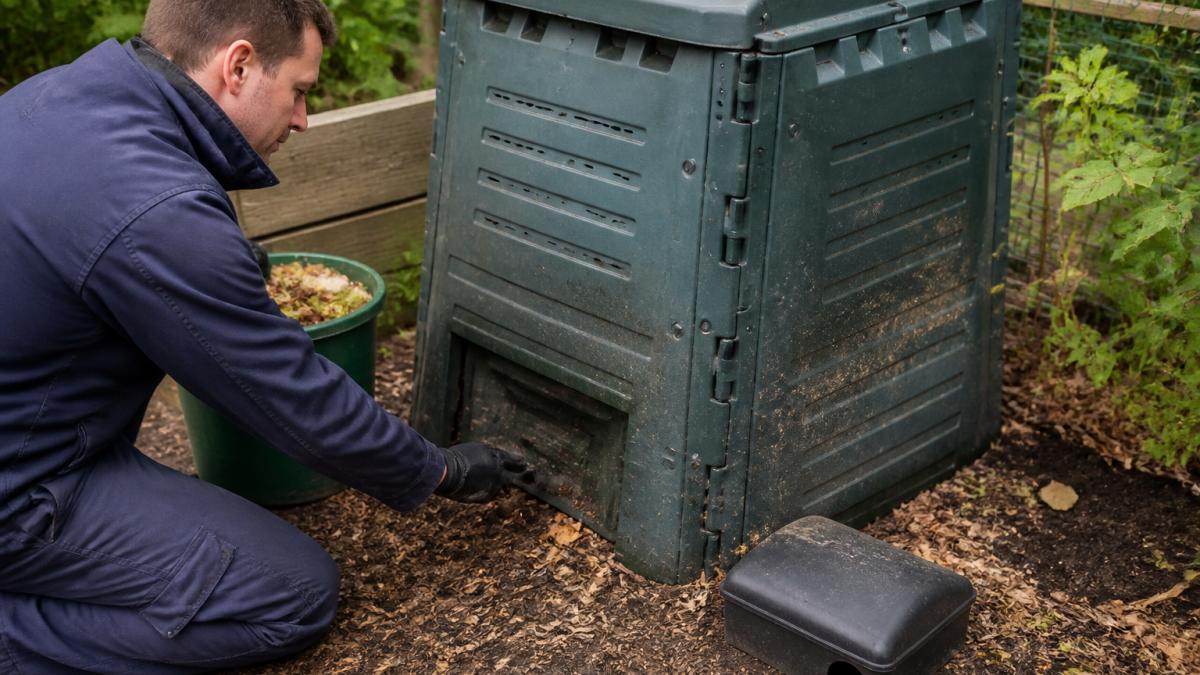
A well-run compost bin is not a problem. Rats are drawn to warmth and easy food, and a heap full of kitchen scraps gives them both. Keep these rules in mind:
- Only compost raw vegetable peelings, not cooked food
- Avoid meat, fish, dairy, and greasy scraps entirely
- Use a sealed, lidded bin rather than an open heap
- Turn the compost regularly to keep it hot and active
- Site the bin away from walls, sheds, and fences
A hot, active heap breaks down scraps quickly and stays unappealing. A cold, open pile of food waste is a rat hotel.
Signs of Rats in the Garden
You can spot a rat problem before you ever see a rat. The signs of rats in the garden are usually clear once you know what to look for.
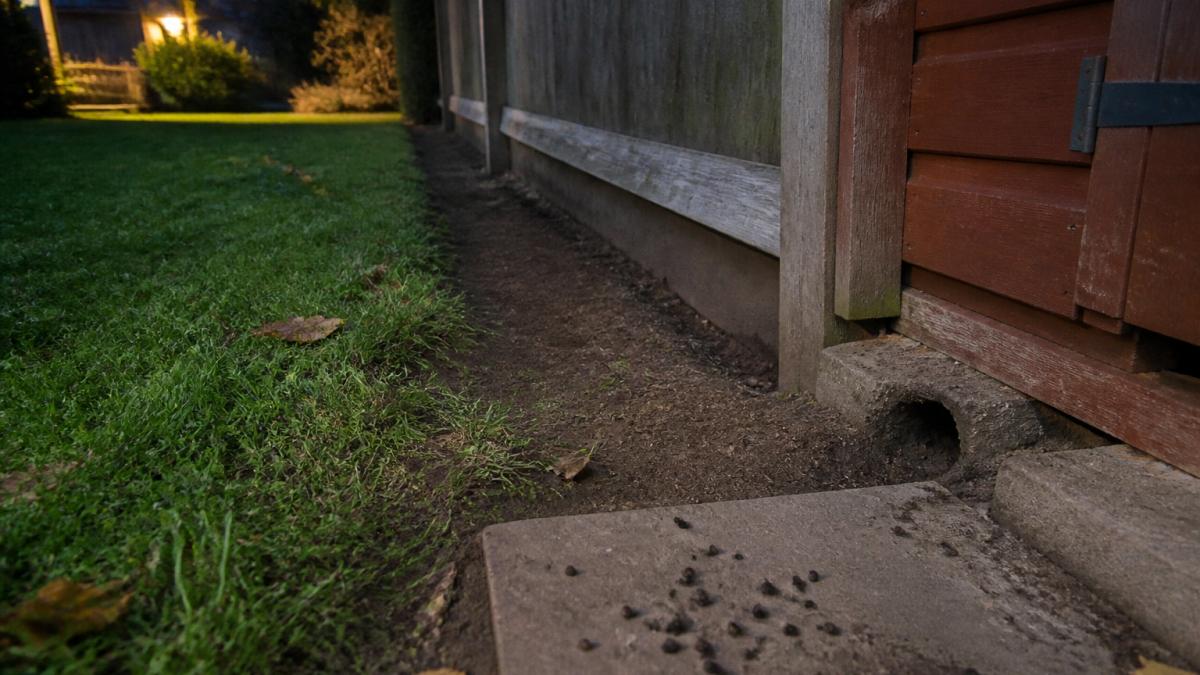
Droppings are the most reliable clue. Rat droppings are dark, roughly the size of a grain of rice, and often found along walls and fence lines. Other signs include:
- Greasy smear marks along walls where rats brush past
- Gnaw marks on wood, plastic bins, or shed doors
- Burrows near shed bases, decking, or compost bins
- A musky smell in enclosed spaces
- Scratching or scurrying sounds after dark
If you find several of these together, you likely have an established problem rather than a single visitor. The NHS guidance on rodent-borne disease is worth reading, because rats near food or living spaces carry real health risks.
How to Prevent Rats in the Garden
Prevention beats removal every time. The goal of how to prevent rats in the garden is to remove the three things rats need: food, water, and shelter.
Remove Food and Water Sources
Start with food. Bring in feeders and pet bowls at night, sweep up spills, and seal all bins. Fix dripping taps and clear standing water from plant saucers, bird baths, and gutters, because rats need a water source too.
Keep fruit picked up as soon as it falls. A single apple tree can drop enough windfall to feed a family of rats for weeks.
Block Entry Points and Shelter
Rats squeeze through gaps the width of a pencil. Walk your boundary and seal anything wider than a coin.
- Repair gaps under shed doors and around pipes
- Cover air bricks with metal mesh, not plastic
- Trim back dense shrubs and clear log piles near the house
- Move woodpiles and building materials off the ground
- Keep grass short near walls and fences
| Problem | Quick Fix | Why It Works |
|---|---|---|
| Spilt bird seed | Seed catcher tray | Removes the food source |
| Open compost heap | Sealed lidded bin | Blocks access and smell |
| Gaps under sheds | Metal mesh and sealant | Closes the entry route |
| Standing water | Fix leaks, empty saucers | Removes the water source |
Removal Methods and When to Call a Professional
Traps and bait can work for a small problem, but rats are cautious and breed fast. A do-it-yourself approach often removes a few rats while the colony survives.
This is where most people get stuck. They catch two or three rats, assume it's over, and the problem returns within weeks. The reason is simple: the nest was never found, and the entry point was never sealed.
Professional help makes sense when:
- You've tried traps and the problem keeps returning
- You hear activity in walls, lofts, or under floors
- You have children, pets, or a food business on site
- The infestation is in a large property or outbuilding
At ProPest Oxford Ltd, our technicians hold a minimum RSPH Level 2 qualification, and we focus on finding the source rather than just the symptoms. We're associated with the NPTA and registered with BASIS PROMPT, and we offer same-day or next-day appointments seven days a week. One customer noted after a recent job: "Rat Blocker installed and sewer wall repaired. Excellent work and value for money."
For advice on safe handling and disposal, the Health and Safety Executive's guidance on pest control is a useful reference.
Frequently Asked Questions
What attracts rats to a garden at night?
Rats come into gardens at night mainly for food, water and shelter. Bird feeders dropping seed, pet bowls left outside, unsecured bins and open compost heaps are common draws. Dense shrubs, decking gaps and shed bases give them somewhere to nest close to a ready food supply. Removing these attractants is the first step to keeping rats out of your garden.
Does compost attract rats?
Yes, compost can attract rats if it contains food scraps, cooked leftovers or greasy packaging. Rats are drawn to the warmth of a decomposing heap and will burrow underneath for shelter. To reduce the risk, use a sealed or lidded bin, avoid adding meat, dairy or cooked food, and turn the heap regularly. A well-managed compost bin is far less likely to become a nesting site.
What are the signs of rats in the garden?
Look for droppings along fence lines and walls, greasy smear marks where rats brush against surfaces, and gnaw marks on wood, plastic or bin lids. You may also notice burrows near sheds or decking, flattened grass runs, and damaged plants or bulbs. If you spot several of these signs together, a professional survey can confirm the extent of the problem.
How do I stop rats coming into my garden?
Remove food and water sources first: take in bird feeders at night, clear fallen fruit, and use sealed bins. Block entry points such as gaps under sheds, decking and fences, and cut back dense vegetation that provides cover. If rats persist despite these steps, a qualified pest control technician can identify the source and treat it properly.
Rats returning night after night usually means the source was never fixed. If you've sealed the food, blocked the gaps, and still hear scratching after dark, it's time to bring in a professional. ProPest Oxford Ltd offers same-day or next-day appointments, RSPH Level 2 qualified technicians, and a focus on finding the root cause so the problem doesn't come back. Get started with ProPest Oxford Ltd and take back your garden for good.