 How-to
Who Pays for Rodent Control in a Rental Property?
Table of Contents
- Rodent Control for Rental Properties: Who Is Responsible?
- Landlord Responsibility for Pest Control
- Tenant Rights for Rat Infestation
- Who Pays for Pest Control in a Rental Property?
- First 24 to 72 Hours: What to Do When You Find Rats or Mice
- Preventing Rodents in Rental Properties
- Booking Your Next Step: Arranging a Professional Survey
- Frequently Asked Questions
Last Updated: November 17, 2026
Rodent Control for Rental Properties: Who Is Responsible?
Rodent control in rental properties is usually the landlord's job, but not always. This is a question landlords, tenants and letting agents ask often. The honest answer depends on what caused the infestation, how long it has been there, and what the tenancy agreement says.
Most people assume the landlord always pays. That is a common mistake. The right answer depends on the facts of each case, so this guide walks through the main factors in plain terms.
Who is responsible in short:
- The landlord is generally responsible for problems caused by the building itself.
- The tenant is generally responsible for problems caused by their own conduct, such as poor rubbish handling.
- Both sides have duties, and the cause decides who pays.
Landlord Responsibility for Pest Control
Landlords have a duty to keep rented homes in a safe and habitable state. Where a rodent problem comes from the structure of the property, the landlord normally needs to act.
Check the official guidance on GOV.UK guidance on renting and landlord repair duties for the current rules that apply to your tenancy.
Structural defects and entry points
Rats and mice get in through gaps. Common entry points include:
- Holes in brickwork or external walls
- Gaps around pipes and drains
- Damaged air bricks and vents
- Broken or missing door seals
Fixing these is a repair job. It usually falls to the landlord, because the tenant cannot repair the building's fabric. Sealing entry points helps stop rodents coming back.
When tenant conduct changes the answer
Tenant behaviour can change who pays. If food waste, rubbish or clutter attract rodents, the tenant may be expected to deal with the cause. A landlord may still need to treat the infestation, but can seek to recover costs where the tenant's conduct was the cause.
Tenant Rights for Rat Infestation
Tenants have clear rights, but the route you take depends on who your landlord is and how they respond. A private landlord, a council landlord and a housing association each have different complaint and escalation procedures, and using the wrong one can add weeks to the process.
Step one: report it in writing
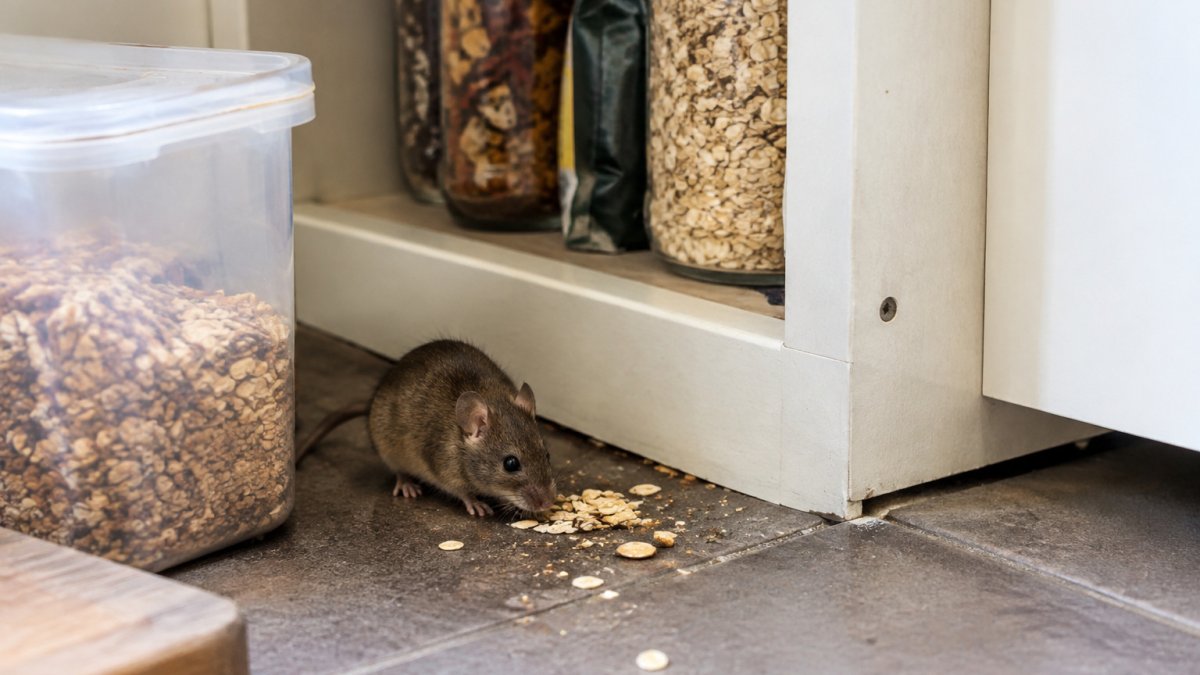
Report the problem to your landlord or letting agent in writing as soon as you notice signs such as droppings, gnaw marks, greasy rub marks along skirting boards, or scratching noises in walls and ceilings. Email or a message through the letting portal is better than a phone call because it creates a dated record. Describe what you have seen, where, and when it started, and attach photographs.
Landlords must keep the property in a safe and habitable condition. A rodent infestation linked to the building's structure can amount to a hazard under the Housing Health and Safety Rating System (HHSRS), which councils use to assess rented homes.
Step two: set a reasonable deadline
Give the landlord a clear deadline to respond, typically 14 days for a non-urgent problem and sooner if there are children, vulnerable occupants or evidence of significant damage. Keep a log of every message, call and visit, with dates and times.
Step three: escalate through the right channel
- Private tenants: if the landlord does not act, contact your local council's environmental health team. They can inspect under the Housing Act 2004 and, where a category 1 hazard is found, must take enforcement action. You can also use the landlord's redress scheme if they are a member of one, or the courts as a last resort.
- Council tenants: raise a formal complaint through the council's corporate complaints procedure, then the Housing Ombudsman if it is not resolved.
- Housing association tenants: use the association's internal complaints process first, then the Housing Ombudsman.
Watch out: do not withhold rent to force action. It can lead to possession proceedings and weakens your position in any later dispute.
When responsibility is disputed
Disputes usually turn on four questions: where the rodents are getting in, what repair history exists, whether the tenant's conduct contributed, and when the infestation began. Gather evidence on each, photographs of entry points, dated repair requests, and a written account of when you first noticed signs. If the landlord blames your housekeeping, ask for that in writing and respond with your own records. Proportionate escalation means moving from written request, to council inspection, to formal complaint, to redress scheme or court, in that order.
For practical help, the Shelter guidance on repairs and pests in rented homes explains the steps tenants can take.
Who Pays for Pest Control in a Rental Property?
The cost usually follows the cause, but the practical question is often who books the visit, who lets the technician in, and who settles the invoice. Getting that agreed in writing before treatment starts prevents most disputes.
Who pays in common scenarios
- Infestation linked to the building's fabric, for example, rats entering through a broken air brick or a gap around a soil pipe. The landlord normally pays for both treatment and repairs.
- Infestation linked to tenant conduct, for example, food waste left out or accumulated clutter. The tenant may be asked to pay, and the tenancy agreement usually sets out how costs are recovered.
- Infestation present at the start of a tenancy, the landlord is generally responsible, and a check-in inventory with dated photographs is the best evidence.
- Shared or communal areas in a block, the freeholder or managing agent usually arranges treatment, with costs recovered through the service charge.
Arranging access
A pest-control visit needs access to the whole property, including cupboards, loft hatches, under sinks and any outbuildings. Agree in advance who will be present, whether keys will be released to the contractor, and what notice the tenant will receive. Most tenancy agreements require reasonable access on at least 24 hours' notice for repairs, and pest control is normally treated as a repair-related visit.
Watch out: do not authorise treatment before the paying party has confirmed in writing that they will cover the invoice. Verbal agreements are difficult to enforce later.
What to ask a contractor
Before booking, ask for:
- A written quotation that states the number of visits, the treatment methods and any follow-up included.
- Confirmation of public liability insurance and relevant qualifications, such as RSPH Level 2 in pest management.
- A clear explanation of how children and pets should be kept away from treated areas, and for how long.
- A written report after treatment that identifies entry points and recommended proofing works, this is valuable evidence if responsibility is later disputed.
Pricing depends on the size of the property, the number of visits and the type of work needed, so a fixed figure cannot be given here. For current prices or a quote, visit the ProPest Oxford Ltd website.
First 24 to 72 Hours: What to Do When You Find Rats or Mice
Acting quickly limits the damage and builds your evidence. Follow these steps:
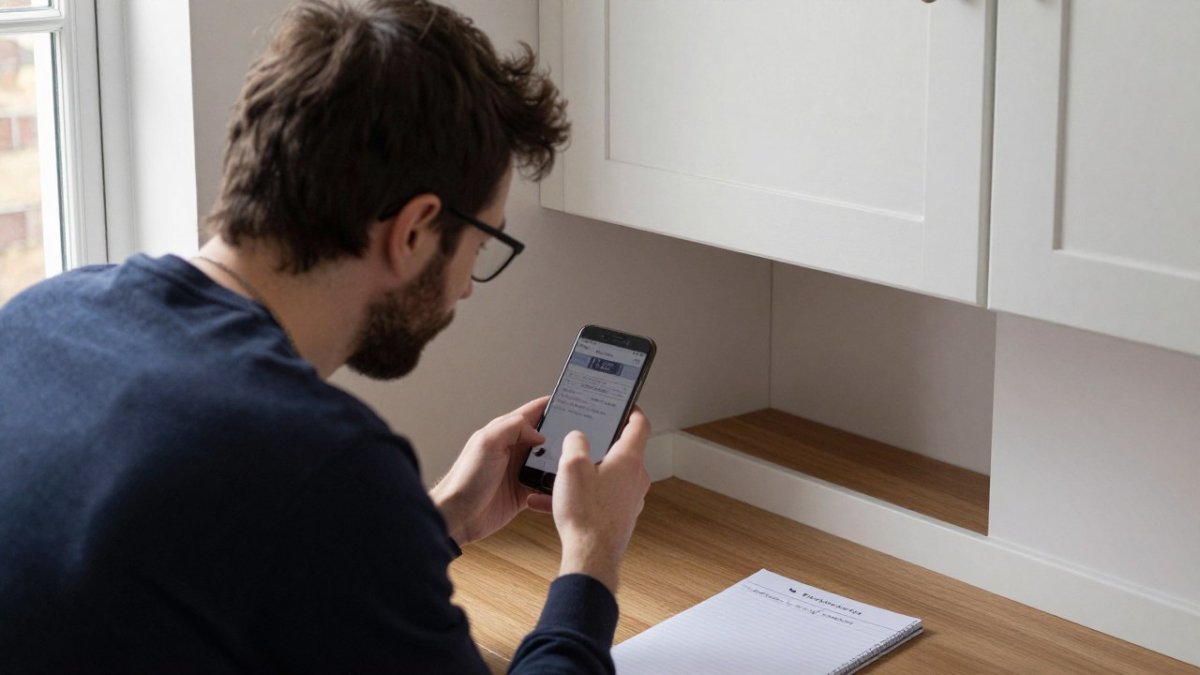
- Day 1: Take photos and video. Capture droppings, gnaw marks and any entry points.
- Day 1: Report in writing. Email or message your landlord with the photos and a clear description.
- Day 1 to 2: Secure food and rubbish. Store food in sealed containers and bin waste with lids on.
- Day 2: Note the date and time. Keep a simple log of every sighting.
- Day 2 to 3: Chase a response. If you have no reply, send a second written message and set a deadline.
- Day 3: Contact the council. If the landlord does not act, ask environmental health for an inspection.
The steps below set out what to do in the first few days, and when to take each one.
| Step | What to do | Timing |
|---|---|---|
| Take photos and video | Capture droppings, gnaw marks and entry points | Day 1 |
| Report in writing | Email or message the landlord with photos | Day 1 |
| Secure food and rubbish | Use sealed containers and bins with lids | Day 1 to 2 |
| Note date and time | Keep a simple log of every sighting | Day 2 |
| Chase a response | Send a second written message with a deadline | Day 2 to 3 |
| Contact the council | Ask environmental health for an inspection | Day 3 |
Preventing Rodents in Rental Properties
Prevention is cheaper than treatment. Landlords and tenants both play a part.
Landlord checklist:
- Seal gaps around pipes, drains and vents
- Fit or repair door and window seals
- Check the rats service page and the mice service page for professional options
- Arrange inspections between tenancies
- Repair leaks that attract rodents
Tenant checklist:
- Store food in sealed containers
- Use bins with tight-fitting lids
- Clear clutter from under sinks and in garages
- Report any signs straight away
For guidance on closing up access points yourself, read our guide on how to seal entry points for pests. Our team at ProPest Oxford Ltd also covers pest control for landlords in Oxfordshire for ongoing maintenance.
Booking Your Next Step: Arranging a Professional Survey
If you have an active problem, a professional survey is the fastest route to the source. Identifying where rodents are getting in is the focus of a professional survey. You can book a rodent investigation survey in Oxford to find out what is driving the problem.
Our technicians hold a minimum RSPH Level 2 qualification, and services are available seven days a week. Get in touch to arrange a visit that suits you and your property.
Frequently Asked Questions
Who is responsible for dealing with rats or mice in a rented property?
Responsibility usually depends on the cause. Landlords are generally responsible for structural repairs, sealing entry points and fixing defects that let rodents in, and they must keep the property fit for habitation. Tenants are expected to keep the home clean, store food and rubbish properly and report problems promptly. Where an infestation is linked to the tenant's conduct, the tenant may be asked to pay for treatment. Check your tenancy agreement and seek advice from your local council's environmental health team if the position is unclear.
Can a landlord be held responsible for a rodent infestation?
Yes, in many cases. If the infestation results from gaps, holes, damaged drains or other defects the landlord must repair, the landlord is generally responsible for putting this right. Written notice of the problem strengthens your position. Keep records of when you reported the issue, what was said in reply and any photographs you took. If the landlord does not act, your local council's environmental health team can inspect the property and may take enforcement action.
Can a tenant arrange pest control and claim the cost back from a landlord?
Sometimes, but it depends on the cause and on how you go about it. Give the landlord written notice and a reasonable opportunity to act before arranging treatment yourself. Keep every invoice and receipt. Recovering costs is more likely where the landlord was responsible for the defect that caused the problem. Taking advice before you pay is sensible, as disputes over costs are often settled through negotiation or the council rather than in court.
What evidence should tenants keep when reporting a rodent infestation?
Keep a dated log of every sighting, along with photographs or short videos showing droppings, gnaw marks or entry points. Save all written communication with the landlord or letting agent, including texts and emails, and note any phone calls with the date and time. Record any repairs requested and whether they were completed. Clear, organised evidence makes it far easier for your council or a tribunal to understand what happened and when.