 ultimate-guide
Commercial Pest Control Maintenance Plans: A 2026 Guide
Table of Contents
- What Commercial Pest Control Maintenance Plans Include
- Frequency of Commercial Pest Inspections and Monitoring
- Safe Pest Control Methods for Restaurants and Food Businesses
- Commercial Pest Control Contract Requirements You Need to Know
- Choosing the Right Maintenance Plan Tier for Your Business
- Why Regular Maintenance Plans Beat One-Off Treatments
- Selecting a Qualified Pest Control Service Provider
- Frequently Asked Questions
Last Updated: August 24, 2026
What Commercial Pest Control Maintenance Plans Include
Commercial pest control maintenance plans are structured service agreements combining regular inspections, preventative treatments, and monitoring to prevent pest infestations. Rather than calling only when problems appear, these plans establish scheduled visits tailored to your property's specific risks.
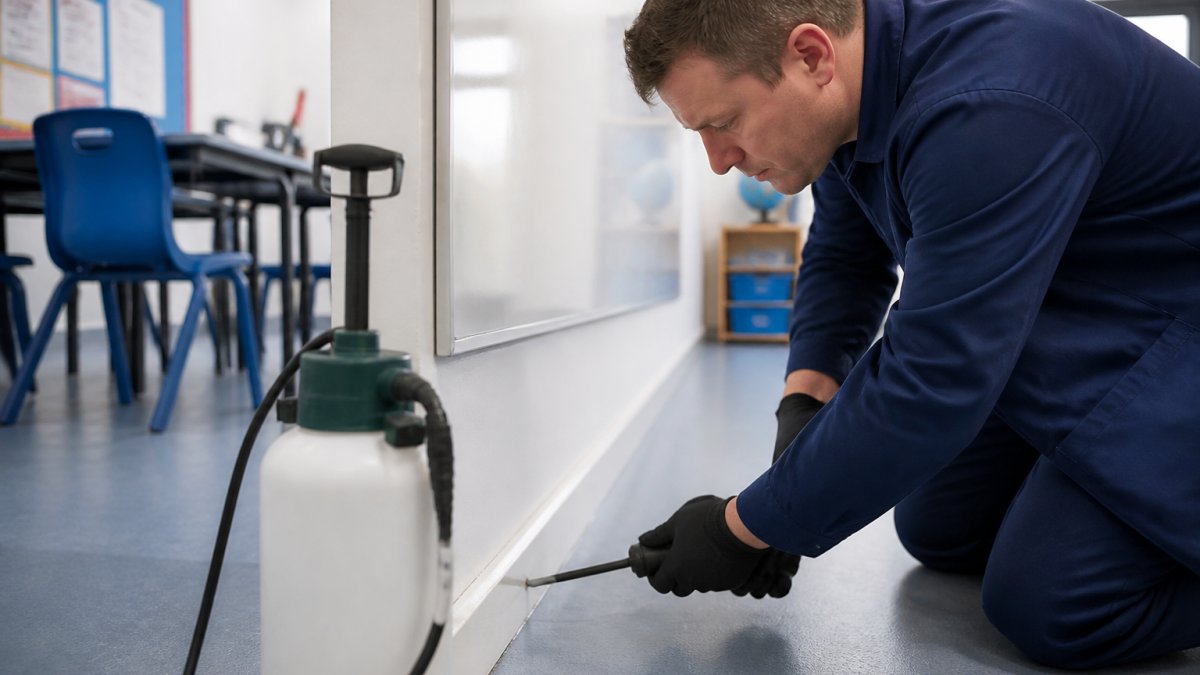
A typical plan includes an initial site survey where technicians identify entry points, harbourage areas, and conditions attracting pests. Regular inspections then catch early warning signs before populations establish. Between visits, bait stations, traps, and monitoring devices remain active. Treatment applications form the second pillar, ranging from perimeter spraying to rodent baiting depending on your industry and vulnerabilities. Documentation is essential, creating audit trails for health inspections and insurance claims. Many plans also include customised recommendations, flagging structural gaps, damaged seals, or drainage issues that could lead to infestations.
Frequency of Commercial Pest Inspections and Monitoring
Inspection frequency depends on your industry, location, and historical pest pressure. Food-related businesses typically operate on monthly schedules, allowing technicians to catch rodent activity, insect populations, or sanitation issues before escalation. Monthly visits also align with local authority inspection cycles, ensuring compliance. For office buildings, retail spaces, and light industrial properties with lower pest pressure, quarterly inspections often suffice.
Monitoring between scheduled visits is critical. Bait stations, sticky traps, and electronic monitoring devices remain active year-round, providing continuous data about pest activity. Technicians review this data during each visit, adjusting their approach if activity spikes. This continuous feedback loop separates effective maintenance from reactive pest control.
Safe Pest Control Methods for Restaurants and Food Businesses
Food businesses operate under unique constraints. Your pest control strategy must eliminate infestations without contaminating food, equipment, or surfaces. Modern commercial pest control for food environments relies heavily on targeted baiting and trapping rather than broad-spectrum spraying. Rodent baits are placed in tamper-resistant stations positioned along walls where rodents travel. Insect control typically uses sticky traps and pheromone monitors rather than chemical sprays near food preparation zones.

When chemical treatments are necessary, products and placement must comply with food safety standards. Applications occur outside operating hours, away from food contact surfaces. Technicians follow strict protocols, removing or covering equipment, ensuring ventilation, and waiting specified periods before reopening areas. Many food businesses require technicians to hold additional food safety certifications beyond standard pest control qualifications.
A good commercial pest control maintenance plan for restaurants integrates pest control with food safety, including regular reviews of storage practices, waste management, and cleaning protocols. Pests arrive because food is available; removing that attraction is as important as removing the pests themselves. Documentation is non-negotiable, every bait station, trap, and treatment must be recorded with dates, locations, and findings, creating your defence during health inspections.
Commercial Pest Control Contract Requirements You Need to Know
Before signing a commercial pest control maintenance agreement, certain contractual elements protect your interests and clarify expectations.
Service scope should be explicitly detailed. Specify which pests are covered, which areas are included, and frequency of visits. Response time commitments separate reliable providers from unreliable ones. If you discover a pest problem outside scheduled visits, how quickly will someone attend? Many commercial contracts specify same-day or next-day response for urgent issues.
Pricing structure should be crystal clear. Some plans charge a flat monthly fee covering all routine visits and standard treatments; others charge a base fee plus additional costs for special treatments. Confirm contract length and cancellation terms. Guarantee or warranty language protects you if infestations persist despite the maintenance plan. Understand what your contract actually guarantees and what remains your responsibility.
Technician qualifications should be specified in the contract. Confirm that staff hold minimum RSPH Level 2 certification or equivalent, and that the provider is registered with industry bodies like NPTA or BASIS PROMPT ([EXTERNAL_LINK: Royal Society for Public Health qualifications | rsph.org.uk]).
Choosing the Right Maintenance Plan Tier for Your Business
Commercial pest control maintenance plans typically come in tiered options reflecting different service intensity and cost. Basic tiers include quarterly inspections and standard monitoring, suiting low-risk office buildings. Mid-tier plans add monthly visits and priority emergency response, working well for most food businesses and properties with moderate pest pressure. Premium tiers offer fortnightly or weekly visits, comprehensive monitoring, and guaranteed rapid response, suiting high-profile businesses where pest problems carry serious reputational risk.
Your choice should factor in industry regulations, property history, risk tolerance, and size. A cheap quarterly plan that misses an infestation until it's severe costs more in the long run than a mid-tier plan catching problems early. The right tier matches your actual risk level and prevents expensive failures.
Why Regular Maintenance Plans Beat One-Off Treatments
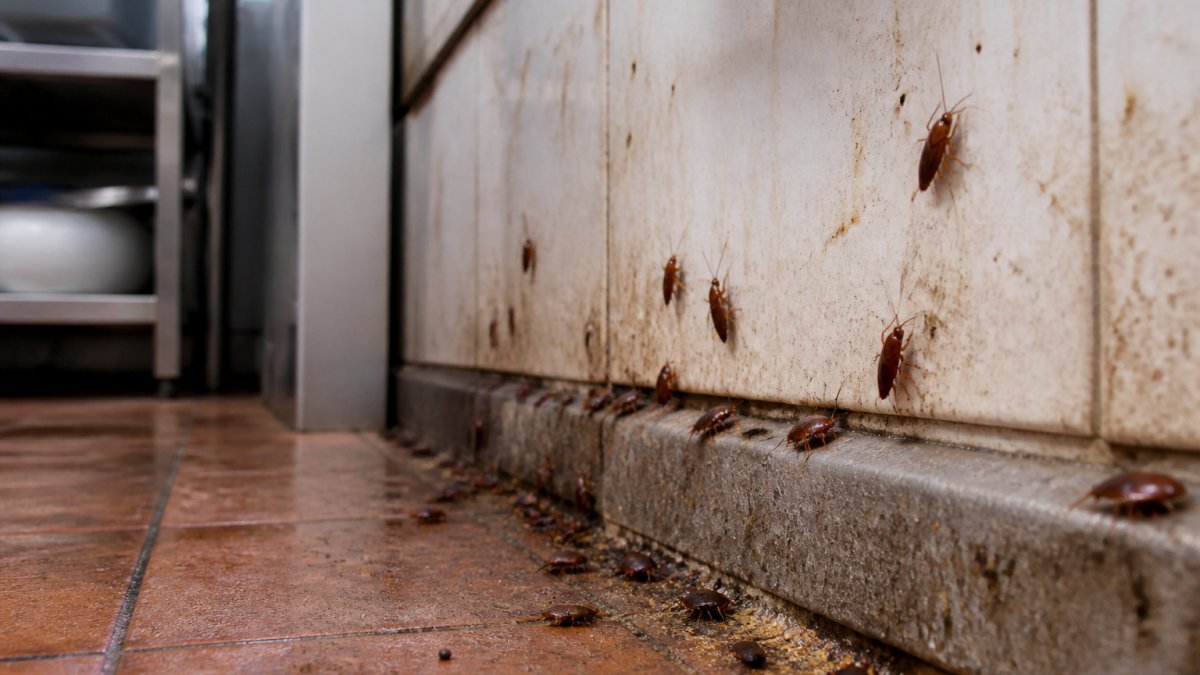
The difference between reactive pest control and proactive maintenance is the difference between fighting fires and preventing them. When you call for emergency treatment after spotting pests, the infestation is already established. Populations have grown large enough to be visible, requiring more intensive intervention, higher costs, and greater business disruption.
Maintenance plans catch activity at stage one, a single rodent entering through a gap, early signs of an insect population. At this stage, treatment is simple, costs are low, and complete eradication is virtually certain. The technician also addresses conditions that allowed the pest to arrive, preventing recurrence.
A maintenance plan costs less per month than a single emergency call-out. If that plan prevents just one serious infestation during the year, it's paid for itself many times over. For food businesses, the calculation includes reputational protection. Maintenance plans also provide continuity of knowledge, the same technician becomes familiar with your property's specific risks and seasonal patterns, enabling smarter interventions.
Selecting a Qualified Pest Control Service Provider
Your maintenance plan is only as good as the technician delivering it. Qualifications, experience, and approach matter more than price alone.
Technician qualifications should be your first checkpoint. Confirm that staff hold minimum RSPH Level 2 certification or equivalent. Professional membership with NPTA (National Pest Technicians Association) or BASIS PROMPT signals serious providers committed to professional standards. Ask to see proof of membership.

Insurance is non-negotiable. Your provider must carry public liability insurance covering accidental damage or contamination. Request proof of current cover.
Experience with your specific industry matters more than general experience. A technician experienced in food businesses understands hygiene standards and regulatory requirements. During initial conversations, ask about their experience with similar businesses.
Responsiveness and communication style reveal how you'll be treated during the relationship. A provider who communicates well during sales will likely communicate well throughout. Request references from existing commercial clients in your industry and contact them directly.
Transparency about methods and costs indicates a provider you can trust. They should explain which treatments they'll use and why, and provide detailed quotes breaking down service frequency and pricing. Finally, trust your instincts about fit. You'll be letting this technician into your property regularly, so finding one matching your expectations matters for a long-term relationship.
Pest infestations disrupt operations, damage reputation, and create genuine stress for business owners. The reactive approach leaves you playing catch-up and paying premium prices for emergency treatment. Commercial pest control maintenance plans shift that dynamic entirely. ProPest Oxford Ltd delivers structured, professional maintenance that prevents infestations before they start, with RSPH Level 2 qualified technicians, same-day or next-day response capability, and comprehensive documentation for regulatory compliance. Rather than reacting to problems, you're protecting your property systematically. Book a service with ProPest Oxford Ltd and move from pest control anxiety to genuine peace of mind.
Frequently Asked Questions
What is included in a commercial pest control maintenance plan?
A comprehensive maintenance plan typically includes scheduled inspections, pest identification, treatment of active infestations, preventative measures such as sealing entry points, and ongoing monitoring. Plans often cover common pests relevant to your industry, documentation for compliance records, and technician visits on a predetermined schedule. Your provider should explain exactly which pests are covered and what treatments are included before you commit.
How often should a business schedule professional pest inspections?
The frequency of commercial pest inspections depends on your business type and risk level. Food-related businesses typically require monthly or fortnightly visits, whilst offices may need quarterly inspections. High-risk environments like restaurants, healthcare facilities, and storage warehouses benefit from more frequent monitoring. Your pest control provider should recommend an inspection schedule based on your specific premises and pest pressure history.
Why are pest control contracts essential for food-related businesses?
Food businesses face strict hygiene and safety regulations that require documented pest management. A formal contract provides evidence of preventative measures, creates an audit trail for inspectors, and protects your reputation. Regular maintenance plans under contract help you meet legal obligations, prevent costly shutdowns, and demonstrate due diligence to customers and regulatory bodies. Without a documented contract, you risk compliance violations and loss of customer trust.
What qualifications should pest control technicians have?
Technicians should hold at minimum RSPH Level 2 qualification or equivalent professional certification. Many reputable providers are registered with BASIS PROMPT or members of the NPTA, which indicates ongoing training and adherence to industry standards. Always ask for proof of qualifications before allowing anyone to treat your premises. Qualified technicians understand pest biology, safe chemical handling, and compliance requirements specific to commercial environments.
What happens if pests return after treatment under a maintenance plan?
Reputable maintenance plans include follow-up visits and retreatment within a specified period if pests reappear. Your contract should clearly outline the guarantee terms and whether additional visits are included at no extra cost. The key to lasting results is identifying the source of infestation, not just treating symptoms. A quality provider will investigate why pests returned and adjust their approach rather than simply retreating the same areas.
Can pest control services work discreetly around tenants and customers?
Yes, professional providers can schedule visits during closed hours, off-peak times, or in coordination with your operations. Landlords managing multiple properties benefit from maintenance plans that work around tenant schedules without disruption. Hospitality and retail businesses can arrange early morning or late evening treatments to avoid customer impact. Discuss your specific needs with your provider to establish a schedule that protects your reputation and maintains business continuity.