 Ultimate guide
Landlord's Guide to Managing Woodworm Outbreaks
Last Updated: November 21, 2026
Quick Summary
Managing woodworm outbreaks as a landlord starts with recognising active infestations early. Check exposed timber for fresh round exit holes, pale frass and crumbling wood, then fix any moisture source and record the findings.
- Fresh holes have sharp, pale edges and loose pale frass; old holes look darker and weathered.
- Inspect floorboards, loft joists, roof timbers, skirting and furniture included in the let.
- Inspect at the start of each tenancy, after any reported damp or leak, and at least once a year.
- Keep dated photographs, notes and contractor reports as an evidence trail.
- Ask technicians for a written timeline and a follow-up visit to confirm the outcome.
Table of Contents
- What Woodworm Is and How Wood-Boring Beetles Damage Timber
- Signs of Active Woodworm: A Step-by-Step Identification Guide
- Woodworm Inspection Checklist for Rental Properties
- Your Legal Duties and Repair Responsibilities as a Landlord
- How Long Woodworm Treatment Takes and What to Expect
- Woodworm Prevention in Rental Properties
- Booking a Professional Woodworm Inspection for Your Property
- Frequently Asked Questions
What Woodworm Is and How Wood-Boring Beetles Damage Timber
Woodworm is not a single pest but the larval stage of several wood-boring beetle species, and recognising these woodworm outbreaks early starts with knowing that the grubs are doing the damage that tunnels through timber. The grubs feed on the wood as they tunnel, leaving behind small round exit holes and a fine powder called frass (Oak Pinhole Borer (Platypus cylindrus)).
The beetles themselves rarely cause harm. It is the larvae that do the work, and their tunnelling weakens timber from the inside. Softwoods and damp or decaying hardwoods are most vulnerable, which is why problems often appear around leaking pipes, poorly ventilated subfloors and roof spaces.
Understanding this life cycle matters for managing woodworm outbreaks.
Signs of Active Woodworm: A Step-by-Step Identification Guide
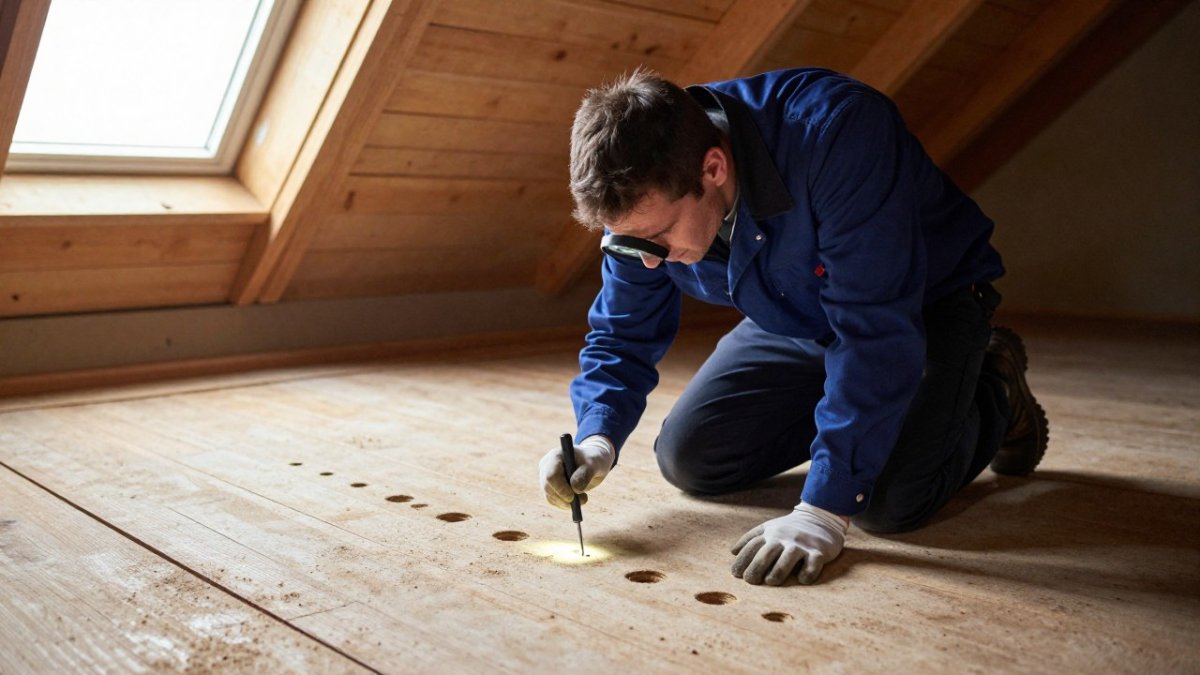
Start with a torch and a close look at exposed timber, including the underside of floorboards, the undersides of stair treads and any untreated roof timbers. Active woodworm usually shows up as fresh round holes roughly 1 to 2 millimetres across, often with a clean, pale edge and a light dusting of fine powder beneath them.
Follow these steps in order:
- Look for exit holes and check whether the edges look sharp and pale, which suggests recent activity.
- Look for frass, the fine, flour-like powder that falls from active tunnels. Fresh frass is pale and loose.
- Tap the timber gently with a screwdriver handle. Crumbling or hollow-sounding wood suggests extensive internal damage.
- Check the surrounding area for damp, condensation or leaks, since these often sustain the infestation.
- Photograph what you find and record the location, so you can compare it at a later visit.
Remember that holes alone do not confirm an active infestation. Many holes in old timber are simply evidence of past activity.
Telling Active from Historic Infestations
Active and historic infestations look similar at first glance, which is why the distinction matters. Fresh holes with pale, crisp edges and loose frass point to current activity. Old holes tend to have darker, weathered edges, and the frass beneath them is often compacted, dirty or absent altogether.
A useful test is to clean a small area of timber and check it again after a few weeks. New frass appearing on a clean surface confirms that larvae are still working. Where no change occurs, the infestation is likely historic. A qualified pest professional can help confirm this, and that distinction shapes whether treatment is needed.
Woodworm Inspection Checklist for Rental Properties
A consistent inspection routine helps you catch woodworm before tenants report damage. Work through the property room by room and record your findings each time. Use this checklist as a starting point:
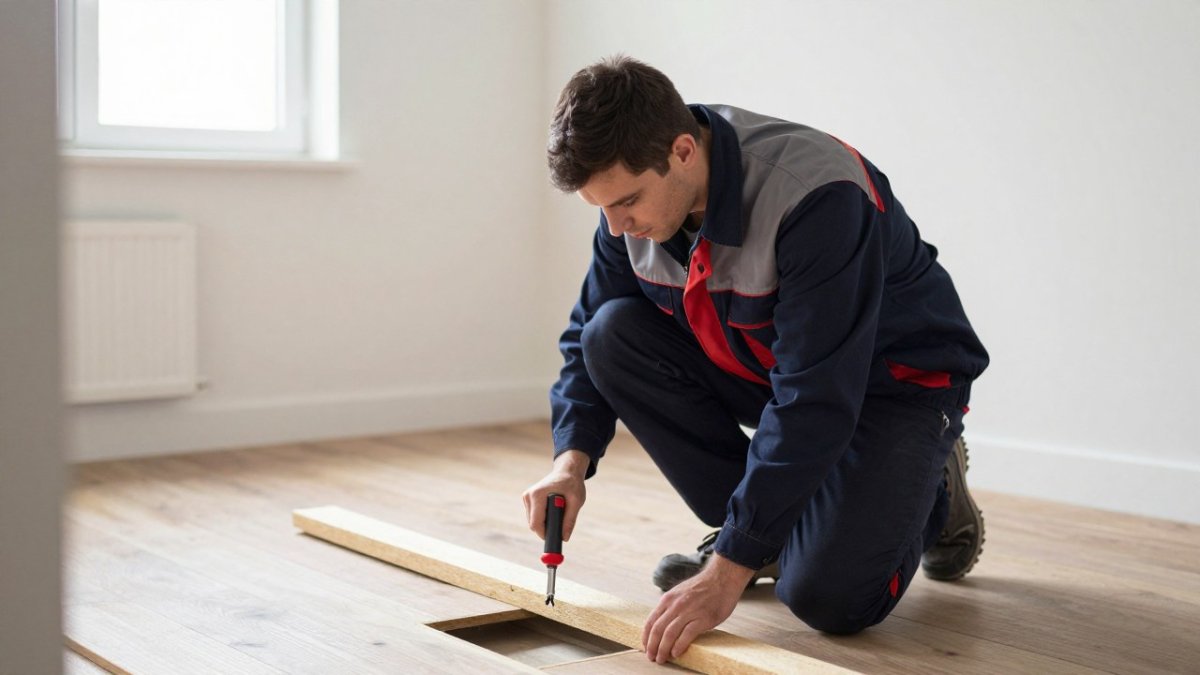
- Floorboards, particularly near external walls and bathrooms
- Exposed joists in loft spaces and under suspended floors
- Roof timbers, rafters and wall plates
- Skirting boards, door frames and cills
- Wooden furniture included in the let, such as beds, wardrobes and chairs
- Timber near leaks, damp patches or poorly ventilated areas
- Stairs, balusters and handrails
Inspect at the start of each tenancy, after any reported damp or leak, and at least once a year. Keeping dated photographs and notes gives you an evidence trail that is valuable if a dispute or insurance claim arises later. Where you find anything you cannot identify, a qualified technician can assess it before you decide on next steps.
The checklist below sets out where to look and when to inspect, so you can catch woodworm before tenants report damage.
| Area | Check | Frequency |
|---|---|---|
| Floorboards | Near external walls and bathrooms | Start of each tenancy |
| Loft joists and roof timbers | Exposed rafters and wall plates | At least once a year |
| Skirting, door frames and cills | Exit holes and frass | After any reported damp |
| Wooden furniture in the let | Beds, wardrobes and chairs | Start of each tenancy |
| Stairs, balusters and handrails | Crumbling or hollow-sounding wood | At least once a year |
| Timber near leaks or damp | Sharp, pale exit holes | After any reported leak |
Your Legal Duties and Repair Responsibilities as a Landlord
Woodworm can engage more than one legal duty, and landlords should check their position on each. One is the repairing obligation, which in England and Wales is set out in the Landlord and Tenant Act 1985 (Landlord and Tenant Act 1985). Our article on who pays for rodent control in a rental property explains how cost responsibility is typically allocated for pest work.
The second duty concerns hazard.
Rented property is also subject to other compliance regimes, and across these documented, dated evidence of action is what regulators and courts generally expect.
Watch out: treating woodworm as purely a tenant-reported repair can leave you exposed if the infestation was visible at the start of the tenancy and not recorded. A dated check-in inspection with photographs protects you in that scenario.
For the authoritative position on your own property, consult official government guidance and, where the tenancy is unusual, take advice from a qualified solicitor. Prompt, documented responses protect both the property and your standing in any dispute.
How Long Woodworm Treatment Takes and What to Expect
The elapsed time from first report to confirmed outcome can depend on access, drying and verification as much as on the application itself.
The sequence usually looks like this:
- Triage. Record the tenant's report with the date, the room, what was seen and any photographs the tenant supplied. Decide whether the report needs an urgent visit (crumbling floor, sagging stair tread) or can wait for a scheduled inspection.
- Inspection and diagnosis. The technician confirms whether the infestation is active or historic, identifies the beetle species where possible, and traces the moisture source. This is the point at which treatment should be justified, not assumed.
- Access arrangement. Agree with the tenant which rooms need to be cleared, how much notice they will get, and whether anyone needs to be present. Confirm the arrangement in writing so there is a record.
- Treatment or repair. Surface application to exposed timber, injection into structural members, or removal and replacement of timber that has lost section. Ask the technician which products are being used and whether any re-entry interval applies.
- Verification. A follow-up visit after the recommended interval to confirm that no fresh frass has appeared on cleaned surfaces and that the moisture source has been addressed. Without this step, you have paid for an application but not confirmed an outcome.
Expect disruption to be concentrated around access rather than the treatment itself. Lifting floorboards, clearing a loft hatch and moving stored items take longer than the application.
Watch out: paying for treatment when the inspection has not established active infestation is a common and avoidable cost.
Keep the written confirmation of what was treated, which products were used, the date of application and the date any follow-up inspection is due. That record supports insurance claims, tenancy discussions and any future sale or remortgage enquiry.
Woodworm Prevention in Rental Properties
Prevention is largely about keeping timber dry and well ventilated. Most infestations take hold where moisture is present, so fixing leaks, improving airflow in subfloors and loft spaces, and dealing promptly with condensation makes the property far less attractive to beetles.
Practical steps include:
- Repairing roof leaks, damaged guttering and failed pipework as soon as they are reported
- Keeping vents and airbricks clear of obstruction
- Ensuring loft and subfloor ventilation is adequate
- Using appropriate wood preservative on new or replacement timber, where suitable
- Reviewing the property at each changeover of tenants
Build these checks into your routine maintenance schedule. A little regular attention is far cheaper than dealing with extensive timber replacement later.
Booking a Professional Woodworm Inspection for Your Property
Call in a qualified technician when you find fresh exit holes, frass or crumbling timber, or when you are unsure whether an infestation is active. A professional inspection gives you a clear diagnosis, identifies the source of moisture or damage, and sets out treatment options with a written record you can keep for your files.
ProPest Oxford Ltd provides professional pest control services across Oxfordshire and East Sussex, and its technicians hold a minimum RSPH Level 2 qualification. Before booking, it helps to understand the likely costs involved, and our woodworm treatment cost guide explains what affects pricing. You may also find it useful to review questions to ask a pest control technician before booking so you can compare providers with confidence. If you manage several properties, you can also review our long term pest management solutions for an ongoing approach to pest issues across your portfolio. You can book online with ProPest Oxford Ltd to arrange a visit at a time that suits your tenants.
Quick Summary: Woodworm is the larval stage of wood-boring beetles, and fresh exit holes with loose frass point to active damage. Landlords should inspect regularly, keep records and address moisture, since prevention is far cheaper than replacing timber. A qualified professional can confirm the diagnosis and the right treatment.
Frequently Asked Questions
How can a landlord tell if woodworm is active?
Look for fresh, clean-edged exit holes, recently disturbed frass (fine powdery dust) and crisp, pale dust on surfaces below the timber. Old holes often have darkened or worn edges and little or no fresh dust. Tapping the timber can also help: sound wood rings, while heavily damaged wood sounds hollow or dull. If you are unsure, arrange a professional inspection, because the surface evidence alone does not always show whether beetles are still breeding inside the wood.
Who is responsible for treating woodworm in a rented property?
In most cases the landlord is responsible for the structure of the property, and this generally includes treating structural timbers affected by woodworm under the landlord's repair obligations. Tenants should report signs promptly and allow reasonable access for inspection and treatment. Keep written records of reports, access arrangements and works carried out, as these will help if a dispute arises. Check your tenancy agreement and seek advice if circumstances are unusual.
Can woodworm make a property unsafe?
Woodworm can weaken timbers over time, particularly floor joists, roof timbers and staircases, and heavily damaged wood may lose structural strength. Most infestations are not an immediate hazard, but a timber that has lost significant strength should be assessed by a qualified professional before it is loaded or relied on. Early inspection and proportionate repair are the best way to limit the risk to occupants.
How long does woodworm treatment take to work?
The duration depends on the extent of the infestation, the type of timber, the treatment method and the access available. Surface treatments may be completed in a single visit, but larvae inside the timber can take time to die off, so a professional may recommend a follow-up inspection. Pricing and timescales vary, so ask your pest control provider for a quote and an explanation of the expected timeline for your property.
Can woodworm return after treatment?
Yes, woodworm can return if the timber remains damp, if untreated wood is in contact with the affected area, or if the original infestation was not fully addressed. Reducing moisture, improving ventilation and treating new timber where needed lowers the risk. A follow-up inspection after treatment helps confirm that the problem has been resolved.
What should a landlord do after finding woodworm?
First, record the evidence with dated photographs and notes. Then arrange a professional inspection to establish whether the infestation is active or historic and how far it extends. Inform the tenant in writing, explain the planned works and agree access times. Keep copies of the inspection report, quotes, treatment certificates and all correspondence in case you need them for insurance or a later dispute.
How can landlords prevent woodworm in rental properties?
Control moisture first, since damp timber is far more vulnerable. Fix leaks, improve ventilation in roof spaces, under floors and in damp rooms, and keep timbers clear of soil and debris. Inspect timbers during routine maintenance visits, particularly in older properties, and address any damp problems promptly. Good records of inspections and repairs make future problems easier to manage.