 ultimate-guide
Pest Damage Prevention for Rental Properties
Last Updated: October 26, 2026
Quick Summary
Pest damage prevention for rental properties means blocking entry points, removing attractants and inspecting regularly so rodents, insects and birds never establish a foothold. Tenants handle housekeeping and report problems promptly, while landlords maintain the building fabric and seal entry points. Prevention is a maintenance routine, not a one-off job.
- Check external doors and air bricks quarterly for gaps wider than a pencil.
- Seal gaps around pipework, cables and door frames with wire wool and filler.
- Tenants should report any sign of pests immediately rather than treating it themselves.
- Wasps return to the same nesting sites, so make the roofline unattractive before spring.
- ProPest Oxford Ltd technicians hold a minimum RSPH Level 2 qualification.
Table of Contents
- Why Pest Damage Prevention Matters for Rental Properties
- The Rental Property Pest Inspection Checklist
- How to Prevent Mice in Rental Properties
- Tenant Pest Prevention Responsibilities
- How to Prevent Wasps from Returning
- What to Ignore: Common Bad Advice on Pest Damage Prevention
- Booking a Professional Pest Inspection for Your Rental
- Frequently Asked Questions
Why Pest Damage Prevention Matters for Rental Properties
Pest damage prevention for rental properties is the practice of blocking entry points, removing attractants and inspecting regularly so that rodents, insects and birds never establish a foothold in the first place. A rat gnawing through a kitchen waste pipe or wasps nesting under eaves can turn a straightforward let into an insurance claim, a deposit dispute and a void period all at once.
The financial case is blunt. Rodents chew through electrical cable insulation, contaminate food storage areas and damage loft insulation, and the repair bill lands on whoever is responsible for that part of the building. Below, we set out the inspection routine, the species-specific measures and the division of responsibility for rental properties. We'll also flag advice you should ignore.
The Rental Property Pest Inspection Checklist
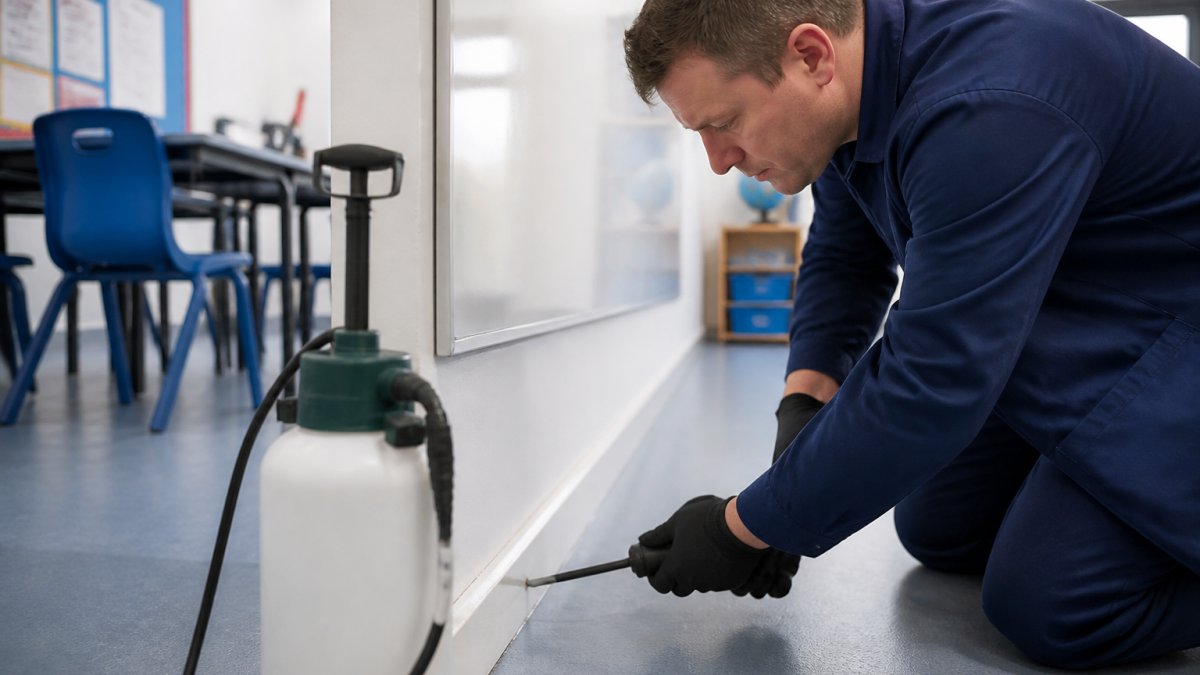
A rental property pest inspection checklist is a structured walk-round of the building's exterior and interior, looking for entry points, harbourage and signs of activity.
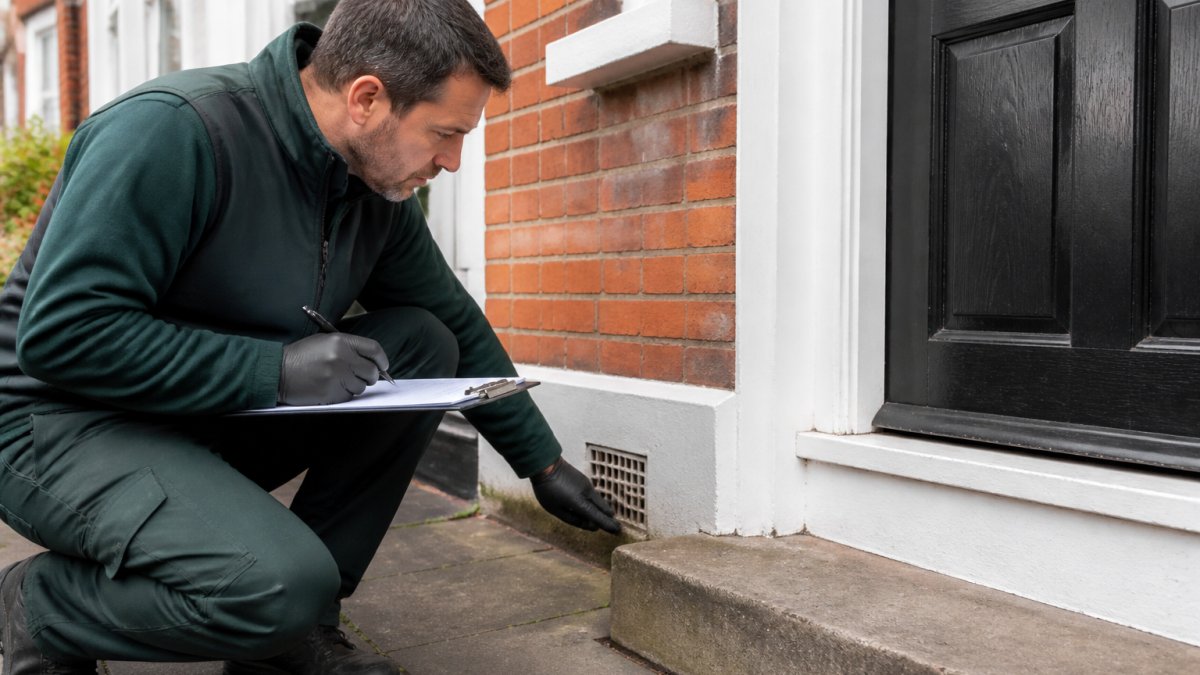
What to Check on the Outside
Start at ground level and work upwards. Look for gaps under doors, missing air brick covers, cracked render, gaps where pipes and cables enter the wall, and broken drainage covers. Check the loft line for lifted tiles and gaps at the eaves. Clear any debris stacked against the wall, because rubbish piles and old timber give rodents cover and nesting material.
What to Check Inside
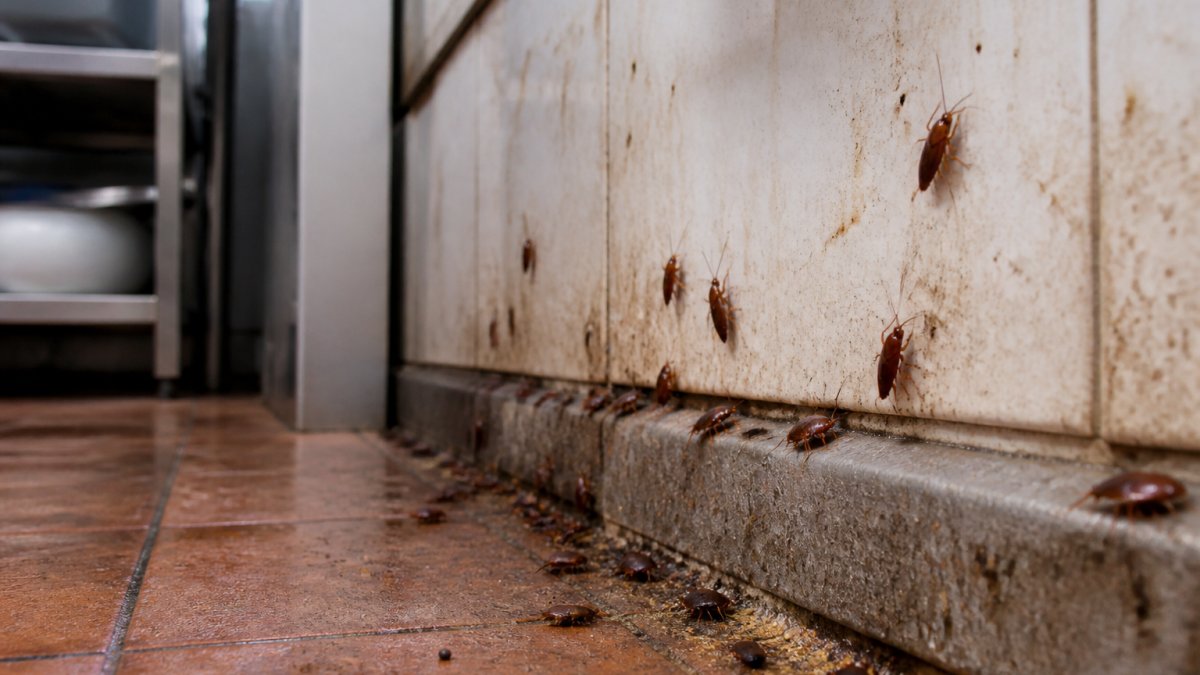
Indoors, focus on the places pests actually use: under the kitchen units, behind the washing machine, in the loft, under the stairs and around any pipework penetrating a wall or floor. Look for droppings, grease marks along skirting boards, gnawed packaging and shredded insulation. In bathrooms and kitchens, check for damp, since moisture softens timber and attracts a range of insects.
| Area | What to Look For | Frequency |
|---|---|---|
| External doors and air bricks | Gaps wider than a pencil, missing covers | Quarterly |
| Loft and eaves | Droppings, shredded insulation, lifted tiles | Quarterly and at tenancy change |
| Kitchen units and appliances | Gnaw marks, grease trails, droppings | Monthly |
| Pipe and cable entry points | Unsealed holes, cracked mortar | Quarterly |
| Drains and gullies | Broken covers, standing water | Quarterly |
How to Prevent Mice in Rental Properties
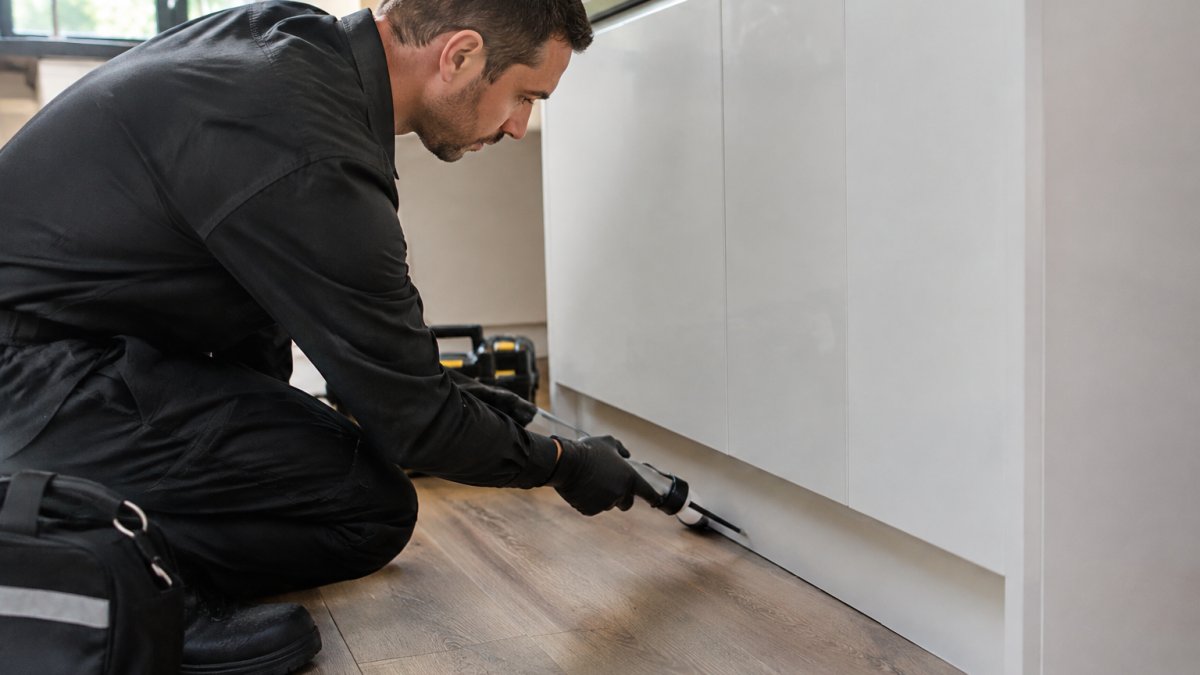
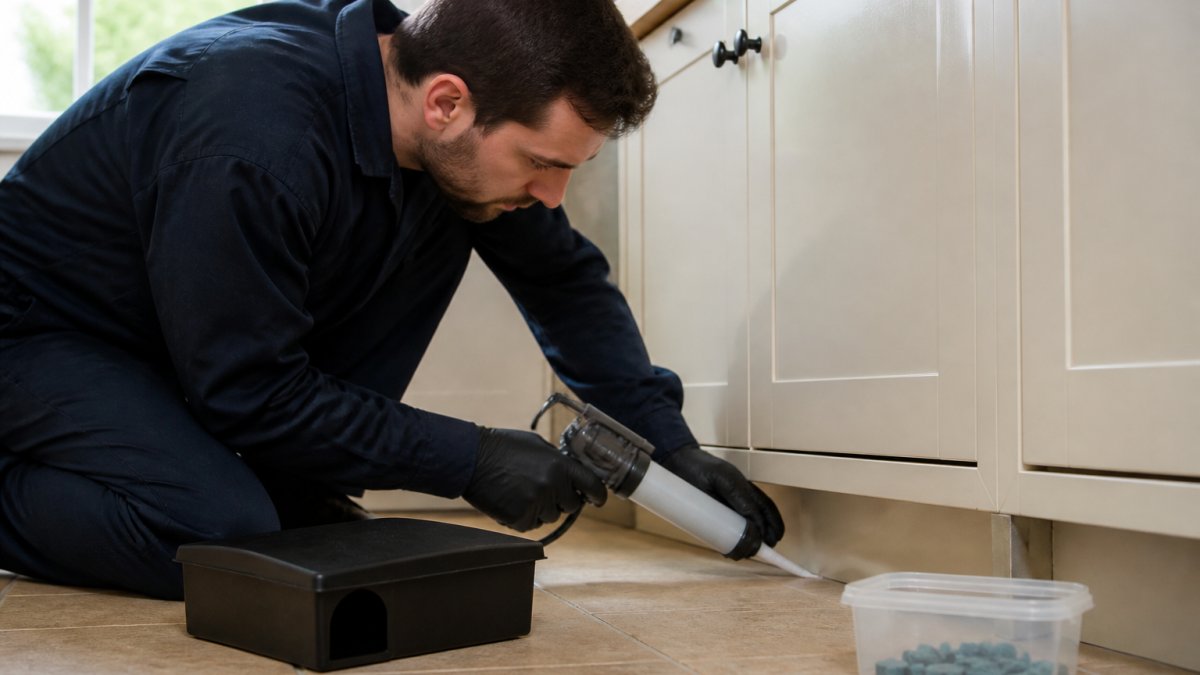
Mouse prevention comes down to one principle: deny access and deny food. A mouse can pass through a gap far narrower than most people assume, so seal everything you can find, then remove the reasons it would want to stay. Our step-by-step guide to sealing gaps shows exactly how to do it.
In practice, the measures that matter most are:
- Seal gaps around pipework, cables and door frames with wire wool and appropriate filler
- Fit bristle strips to the bottom of external doors
- Store refuse in rigid, lidded bins and keep bin areas clear
- Keep dry food in sealed containers, not cardboard boxes
- Clear loft clutter that provides nesting sites
Tenant Pest Prevention Responsibilities
Tenant pest prevention responsibilities sit alongside the landlord's duty to keep the structure of the property in good repair. The dividing line is usually straightforward: tenants handle housekeeping and report problems promptly, while landlords handle the building fabric and any infestation that stems from a structural defect.
Tenants should report any sign of pests immediately rather than attempting treatment themselves, keep the property clean and free of food waste, avoid leaving refuse bags outside, and allow access for inspections and treatment. Landlords should maintain the structure, seal entry points, arrange inspections and act quickly on reports.
How to Prevent Wasps from Returning
Wasps return to the same nesting sites because the location worked last time: sheltered, dry and close to food. Prevention means making the roofline unattractive before the queen starts a new nest in spring. Our guide to preventing wasps building nests under eaves covers the proofing, repellents and timing tips in detail.
What to Ignore: Common Bad Advice on Pest Damage Prevention
What most guides miss is that prevention is a maintenance routine, not a one-off job. Sealing a gap once achieves nothing if the routine inspection stops. If you want the full long-term sequence, our seven prevention steps to stop pests returning set out the order that works.
Booking a Professional Pest Inspection for Your Rental
When choosing a firm, ask what qualifications the technicians hold, whether the business is insured, and how they handle repeat visits. Our guide to hiring professional pest control explains what to ask and which certifications to check. ProPest Oxford Ltd technicians hold a minimum RSPH Level 2 qualification, and the business is associated with NPTA and BASIS PROMPT and is fully insured. We offer same-day or next-day appointments, work seven days a week, and focus on identifying the source of an infestation rather than just treating the symptoms.
Frequently Asked Questions
How can landlords prevent pests in rental properties?
Landlords prevent pests by closing entry points, running regular inspections and keeping a written record of every check. Seal gaps around pipes, air bricks and door frames, fit mesh over vents and repair damaged roof tiles. Schedule an inspection at each tenancy change and at least once a year in between. Pest damage prevention works best as a routine, not a reaction.
How often should landlords inspect a rental property for pests?
Use the rental property pest inspection checklist to keep it consistent: loft, kitchen, external walls, drains and outbuildings. Record the date, findings and any action taken.
What should tenants do to help prevent pests?
Tenant pest prevention responsibilities are mostly about housekeeping and reporting. Store food in sealed containers, wipe down surfaces and take bins out regularly. Report any droppings, gnaw marks, nests or unusual noises to the landlord promptly.
How can landlords prevent mice and rats from entering a property?
Stop access at the building envelope. Seal pipe entries, air bricks, soffits and gaps under doors. Clear rubbish and clutter from against external walls, and keep drains in good repair.
How can landlords prevent wasps from returning to the same spot?
Wasps often reuse a favourable site, so remove the old nest in late autumn or winter once it is inactive, then treat the location. Seal loft vents, gaps in fascias and any hollow in walls or sheds. Check the same spots each spring before the queen starts a new colony in April or May. If wasps keep returning to one area, a professional can confirm whether there is a nest inside the structure rather than simply under the eaves.
What should a landlord do when a tenant reports pests?
Respond quickly and record everything. Ask the tenant for photos and details of where they have seen activity, then arrange an inspection.
Pest damage in a rental property rarely stays small. It spreads through voids, undermines tenancy relationships and costs more the longer it is left. ProPest Oxford Ltd provides qualified technicians, source-focused treatment and prevention planning built around rental schedules, with appointments available seven days a week. Get started with ProPest Oxford Ltd and keep your properties free from the recurring cycle of infestation.