 ultimate-guide
Pest Control for Rental Properties: Landlord Duties
Table of Contents
- Who Handles Pest Control for Rental Properties?
- Landlord Responsibilities Under the Homes (Fitness for Human Habitation) Act 2018 Pests Rules
- What Tenants Must Cover Themselves
- Writing a Pest Control Clause in Tenancy Agreement
- Common Rental Property Pests and How to Spot Them
- Prevention: How to Stop Infestations Before They Start
- How to Prevent Woodworm in Antique Furniture and Fittings
- Choosing a Professional Pest Control Service
- Frequently Asked Questions
Last Updated: September 6, 2026
Who handles pest control for rental properties is one of the most common points of friction between landlords and tenants. The answer is not always straightforward because responsibility shifts depending on whether the issue existed before the tenancy began or arose because of tenant behaviour. This guide from ProPest Oxford Ltd breaks down the legal duties, practical steps, and preventative measures that keep rental properties pest-free, so you know exactly where you stand before an infestation becomes a dispute.
Pest control for rental properties is governed primarily by the condition of the property at the start of the tenancy and the behaviour of the occupant during it. The landlord must ensure the property is fit for habitation, which includes being free from pest infestations that predate the tenancy. If a tenant moves into a property with an existing rodent problem or a wasp nest in the loft, the landlord is responsible for resolving it. Tenants, however, are responsible for infestations caused by their own actions, such as leaving rubbish uncollected or failing to report a leak that attracts cockroaches. The distinction matters because getting it wrong can lead to legal claims, rent disputes, and damaged relationships.
Who Handles Pest Control for Rental Properties?
The landlord handles pest control when the infestation stems from the structure of the property or was present before the tenancy began. The tenant handles it when their lifestyle or lack of hygiene has attracted the pests. A blocked drain that breeds flies is a landlord issue because it relates to the property's infrastructure. A tenant who hoards food waste in a bedroom and attracts rats has created the problem themselves. Many disputes arise in the grey area between these two scenarios, which is why clear communication and documentation at check-in are essential. A professional inspection before a new tenancy starts can settle the question of who is liable before it becomes an argument.
Landlord Responsibilities Under the Homes (Fitness for Human Habitation) Act 2018 Pests Rules
The Homes (Fitness for Human Habitation) Act 2018 requires landlords to ensure rental properties are fit for human habitation at the start of the tenancy and throughout it (legislation.gov.uk). Pest infestations fall squarely within this duty when they arise from structural defects or conditions the landlord controls. A leaking pipe that creates damp and attracts silverfish, or gaps in skirting boards that let mice enter, are landlord responsibilities under the Act. The Homes (Fitness for Human Habitation) Act 2018 guidance places a clear obligation on landlords to remedy these issues promptly once reported. Failure to act can result in tenants taking legal action through the courts, so treating pest reports seriously and responding quickly is both a legal duty and a practical safeguard.
What Tenants Must Cover Themselves
Tenants are responsible for pest control when their own actions create the conditions for an infestation. Leaving food waste exposed, failing to clean kitchens and bathrooms, or bringing in second-hand furniture that carries bed bugs all fall on the tenant. The same applies to blocking ventilation that leads to condensation and mould, which attracts pests. Tenants should also report any pest sightings promptly, because delaying a report can turn a minor issue into a major infestation that spreads between flats. If a tenant ignores an early mouse sighting and the problem escalates, the landlord may argue contributory negligence. Clear guidance in the tenancy agreement about reporting duties helps both parties avoid this conflict.
Writing a Pest Control Clause in Tenancy Agreement
A pest control clause in a tenancy agreement should assign responsibility explicitly to prevent disputes. The clause should state that the landlord will handle infestations arising from structural issues or pre-existing conditions, while the tenant is responsible for infestations caused by poor hygiene or failure to report problems. It should also require tenants to report any pest sightings within a set number of days and to allow access for professional treatment. Including a clause that prohibits tenants from using DIY chemical treatments without permission protects both the property and the effectiveness of professional pest control for rental properties. A well-drafted clause also covers routine preventative treatments, specifying whether the landlord or tenant arranges and funds them.
Common Rental Property Pests and How to Spot Them
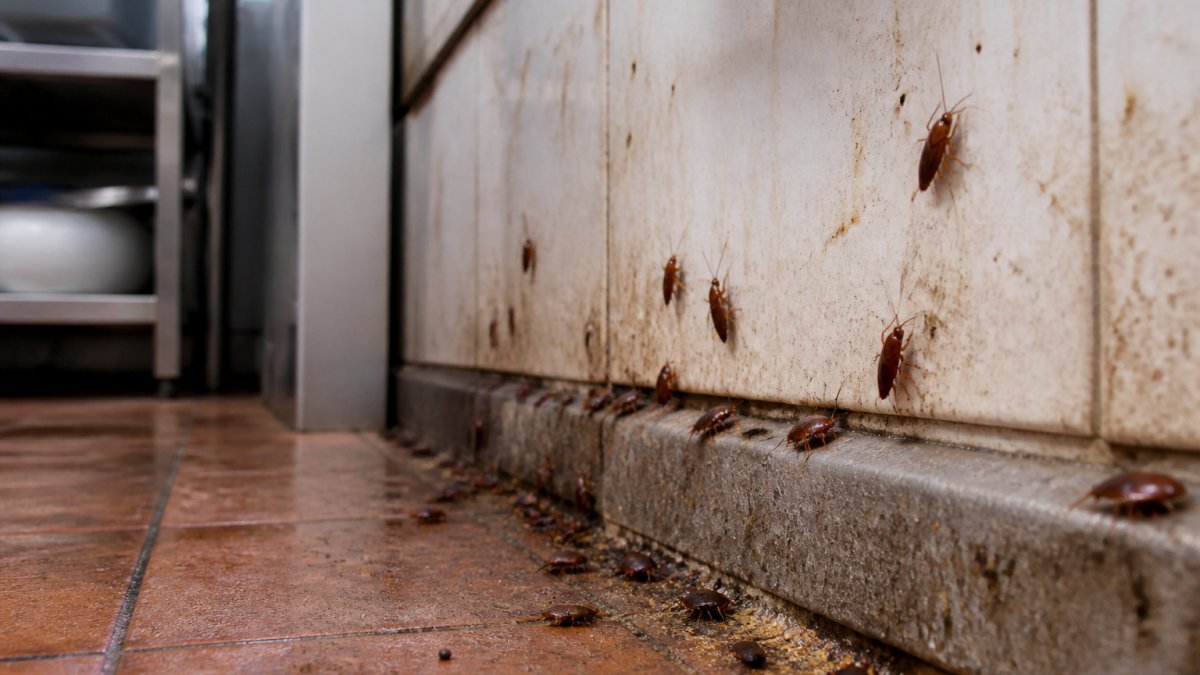
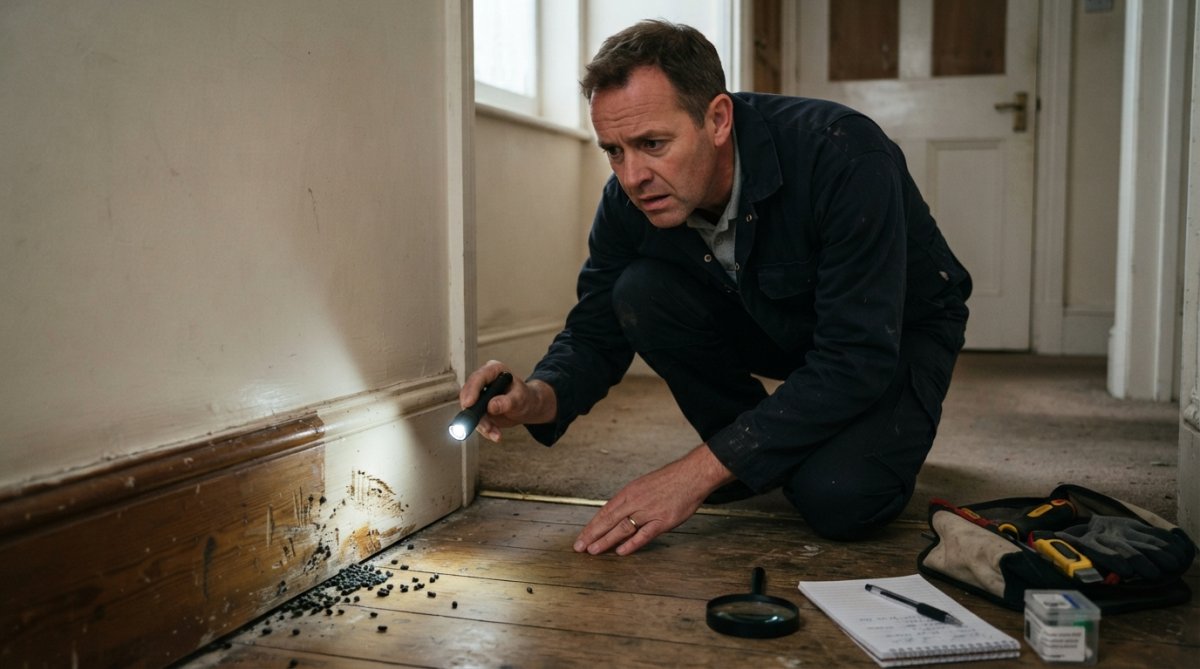
Rats, mice, cockroaches, bed bugs, and fleas are the most common pests in rental properties, and each leaves distinct signs. Rodents leave droppings, gnaw marks on skirting boards, and scratching sounds in walls or ceilings at night. Cockroaches produce a musty odour and leave dark smear marks along skirting boards and behind appliances. Bed bugs appear as small rust-coloured stains on mattresses and tiny white eggs in the seams, often accompanied by itchy bites on occupants. Fleas are usually identified by pets scratching excessively and by small black specks in carpets. Early identification is critical because an established infestation is far harder and more expensive to treat than a fresh one.
Prevention: How to Stop Infestations Before They Start
Prevention is significantly cheaper than treatment, and a few routine measures can stop most infestations before they begin. Seal all gaps around pipes, cables, and skirting boards where rodents can enter, and fit door sweeps to external doors. Ensure bins are stored away from the property and have secure lids, and advise tenants to take rubbish out regularly rather than letting it accumulate. Fix leaks promptly, since standing water attracts cockroaches and silverfish, and keep the property well-ventilated to prevent damp. Regular inspections, ideally every six months, allow you to spot early warning signs such as droppings or gnaw marks before they develop into a full infestation. For landlords managing multiple properties, scheduling these checks alongside other maintenance visits keeps costs down.
How to Prevent Woodworm in Antique Furniture and Fittings
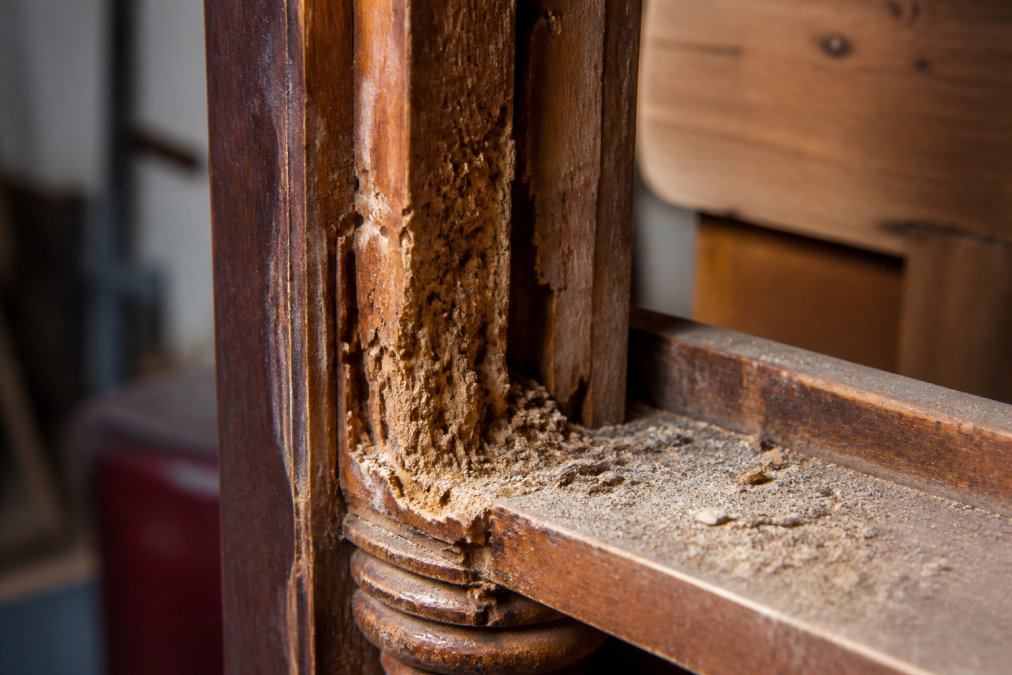
Woodworm prevention for antique furniture and fittings requires controlling moisture and monitoring for early exit holes. Wood-boring beetles lay eggs in damp or unseasoned wood, so keeping humidity levels stable in the property is the first line of defence. Inspect antique pieces regularly for small round exit holes, typically 1-2mm across, and fine wood dust beneath them, which indicates active infestation. Treat affected pieces with a suitable woodworm fluid and, for valuable antiques, consider professional conservation treatment rather than DIY sprays. In rental properties, landlords should check wooden floorboards, joists, and built-in fittings during routine inspections, since woodworm can weaken structural timber over time. The advice on woodworm treatment and prevention from conservation bodies stresses early intervention to avoid costly structural repairs.
Choosing a Professional Pest Control Service
Choosing a professional pest control service comes down to qualifications, response speed, and whether they treat the source rather than just the symptoms. Look for technicians with recognised industry qualifications, such as an RSPH Level 2 certificate, and membership of professional bodies like the NPTA or BASIS PROMPT. Response time matters enormously in rental properties, where an infestation can spread between units within days, so confirm the company offers same-day or next-day appointments. A reputable service will identify the root cause of the infestation, whether that is a structural gap, a damp issue, or a hygiene problem, and advise on preventing recurrence rather than simply spraying and leaving. For landlords managing multiple properties, a service that works around tenant schedules and offers discreet visits is a practical advantage.
Pest control for rental properties is a shared responsibility that becomes unmanageable only when duties are unclear or reports go unanswered. Landlords who act swiftly on structural infestations and tenants who maintain basic hygiene standards rarely end up in dispute. ProPest Oxford Ltd supports landlords and property managers across Oxfordshire and East Sussex with same-day or next-day appointments, RSPH Level 2 qualified technicians, and a focus on identifying the source of infestations rather than masking the symptoms. Their team operates seven days a week and is associated with the NPTA and BASIS PROMPT, giving you the assurance of a professional, lasting solution. Book a service with ProPest Oxford Ltd and keep your rental properties pest-free for good.
Frequently Asked Questions
Are landlords legally responsible for pest control in the UK?
Yes, in most cases. Landlords must ensure the property is fit for human habitation under the Homes (Fitness for Human Habitation) Act 2018. An infestation that poses a health risk or damages the structure means the landlord must act. The exception is when the tenant's own actions, such as poor hygiene or bringing in infested furniture, caused the problem, in which case the tenant is liable for the treatment costs.
What are a tenant's responsibilities regarding pest infestations?
Tenants must report any pest issue to the landlord or letting agent as soon as they spot it. They must also keep the property reasonably clean and dispose of rubbish properly. If a tenant fails to report a problem, or their lifestyle attracts pests, they may be held responsible for the cost of treatment. The tenancy agreement usually outlines these duties in the pest control clause.
How do I report a pest problem to my landlord?
Report the issue in writing, ideally by email, and include photos of the pest, droppings, or damage. State the date you first noticed the problem and how it is affecting your use of the property. Keep a copy of the correspondence. This creates a clear record if you later need to take formal steps or if the landlord disputes when they were first informed.
Can a landlord charge a tenant for pest control services?
Only if the infestation was caused by the tenant's actions or neglect. For example, if the tenant repeatedly left food waste out, attracting rats, the landlord can reasonably ask them to pay for treatment. If the infestation started because of a structural defect, such as a broken air brick, or because the property was left empty, the landlord must cover the cost.
What steps should a landlord take when a tenant reports an infestation?
Act quickly. Acknowledge the report within 24 hours and arrange a professional survey within a few days. Identify the source of the infestation, not just the visible pests. Treat the problem, then carry out any repairs needed to prevent recurrence, such as sealing entry points. Keep records of all treatments and communicate clearly with the tenant throughout the process.