 ultimate-guide
Discreet Pest Control for Cafes in East Sussex
Table of Contents
- Why Cafes Need Discreet Pest Control
- Commercial Pest Control Regulations for Food Businesses
- How Discreet Pest Control Works in a Busy Cafe
- Pest Prevention Tips for Cafes and Restaurants
- How to Choose a Commercial Pest Control Provider
- What Sets Qualified Technicians Apart
- Frequently Asked Questions
Last updated: August 19, 2026
Why Cafes Need Discreet Pest Control
A single mouse sighting can end a cafe's reputation faster than any bad review. Discreet pest control for cafes in East Sussex is not a luxury, it is a fundamental part of running a food business responsibly. At ProPest Oxford Ltd., we work with hospitality operators who understand that how a pest problem is handled matters as much as whether it is solved.
Cafes operate in full public view with open kitchens, shared spaces, and constant customer flow. Any visible sign of pest activity or even a technician in branded overalls arriving mid-service can trigger immediate reputational damage. Social media amplifies this risk, a customer photograph posted online can reach thousands within hours.
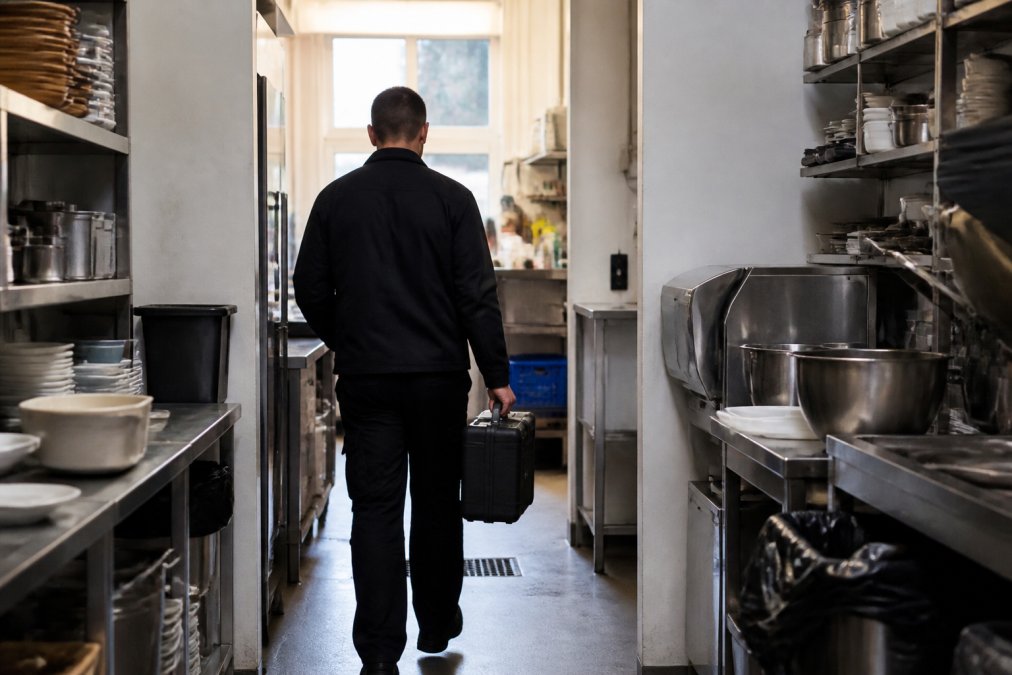
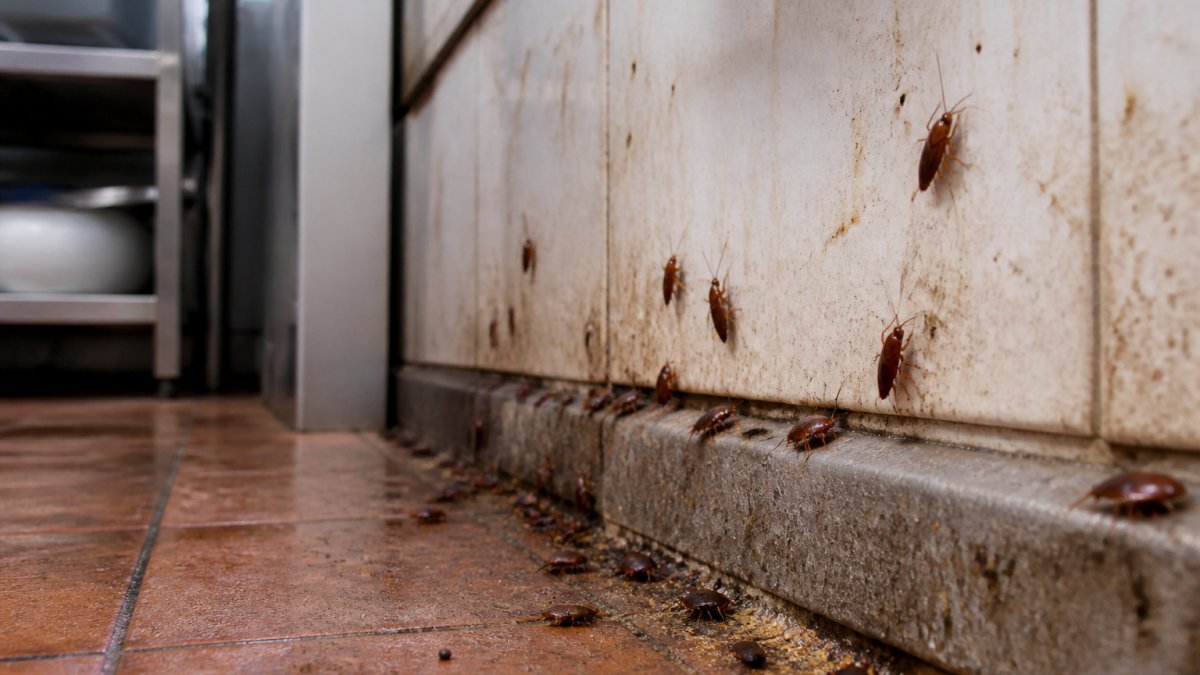
The most common pests affecting cafes include rodents, cockroaches, flies, and stored product insects. Each is drawn by warmth, food waste, moisture, and regular deliveries that can introduce infestations through packaging. A busy kitchen is an ideal pest habitat. Discreet pest control addresses this by treating the problem without advertising it, early-morning visits, plain-clothed technicians, and root-cause resolution rather than repeated reactive treatments. This approach protects both the premises and the business's community standing.
Commercial Pest Control Regulations for Food Businesses
Food business operators have legal obligations that go beyond basic hygiene. Understanding the regulatory framework shows why professional pest management is not optional, it is a compliance requirement.
Food Safety Act 1990 and Your Responsibilities
The Food Safety Act 1990 places a clear duty on food business operators to ensure food is not rendered injurious to health or unfit for human consumption. Pest activity directly threatens both conditions. Rodent droppings, insect contamination, and gnawed packaging constitute a breach of the Act, and enforcement action can include prosecution, improvement notices, or closure orders.
The Food Standards Agency guidance on pest control for food businesses requires that food businesses implement and maintain effective pest management procedures as part of their food safety management system. This includes documenting pest activity, recording treatments, and demonstrating preventative measures are in place. A reactive approach will not satisfy an inspector.
Pest control records are auditable documents. If an Environmental Health Officer asks to see them, they need to show proactive management, not emergency call-outs.
Environmental Health Inspections and Pest Evidence
Environmental Health Officers inspect food businesses against the Food Hygiene Rating Scheme. Evidence of pest activity is one of the most serious findings an inspector can record. A single incident of rodent evidence, gnaw marks, droppings, or live sightings can result in a rating of zero or one, which must be prominently displayed on the premises.
For a cafe, a poor rating displayed in the window is effectively a warning sign to every potential customer. The documentation a qualified pest control provider supplies after each visit carries real commercial value, it demonstrates due diligence, supports a good inspection outcome, and provides evidence that the business takes its legal responsibilities seriously.
How Discreet Pest Control Works in a Busy Cafe
Discreet pest control manages infestations without disrupting service, alerting customers, or creating visible signs of treatment. For cafes, this requires a structured approach that fits around operational hours and prioritises source-level resolution.
Out-of-Hours Visits and Plain-Clothed Technicians
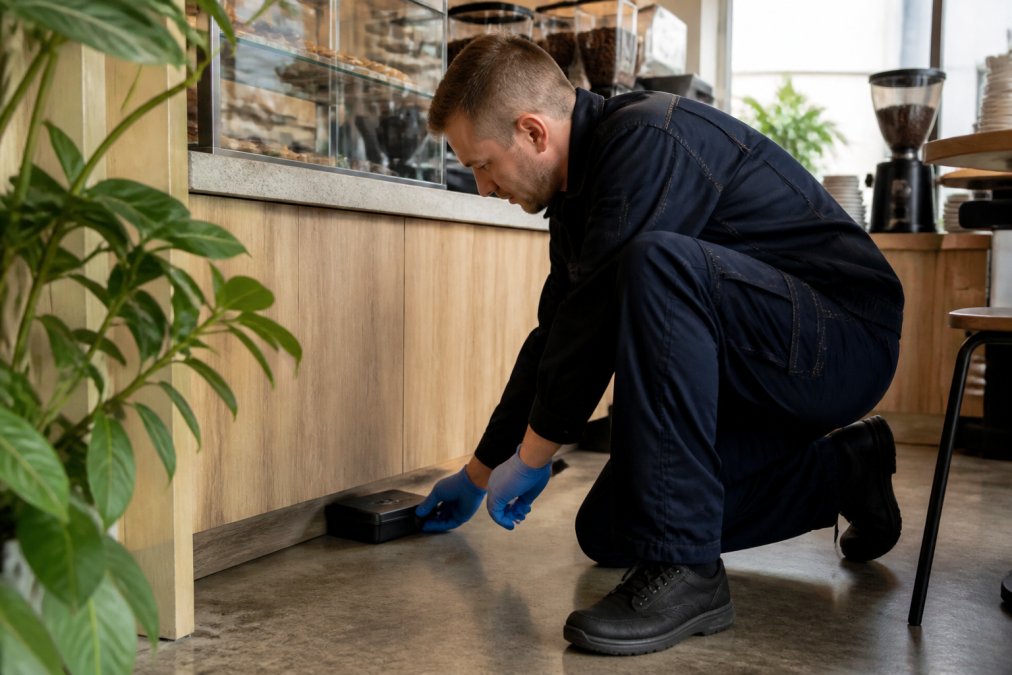
ProPest Oxford Ltd. offers appointments seven days a week, so visits can be scheduled before the morning rush, after closing, or during quieter periods when footfall is low. A technician arriving at 6am in plain workwear is indistinguishable from a maintenance contractor or delivery driver.
Plain clothing matters significantly. Branded pest control vehicles and uniforms signal to everyone nearby that there is a problem on the premises. Removing those signals ensures the business's reputation is not compromised during treatment.
A discreet visit typically involves coordinating access outside service hours, using unmarked transport, completing all work before staff or customers arrive, and leaving no visible evidence beyond agreed monitoring stations.
Identifying the Source, Not Just the Symptoms
Most reactive pest treatments fall short because they address symptoms, not causes. Placing bait boxes and leaving is not pest control, it is pest management theatre. The problem returns within weeks because the entry point, harborage, or food source has never been addressed.
A qualified technician carries out a thorough site survey before any treatment begins, checking external entry points, internal harborage areas, waste management practices, and delivery protocols. The survey findings inform a treatment plan that targets the source. For a recurring mouse problem, this might mean recommending structural repairs to seal entry points alongside a baiting programme. ProPest Oxford Ltd.'s technicians hold a minimum RSPH Level 2 qualification and are trained to investigate, not just apply product.
Pest Prevention Tips for Cafes and Restaurants
Prevention is significantly cheaper than treatment. The businesses that manage pest risk best make prevention habitual rather than treating it as a one-off checklist.
Key prevention measures include:
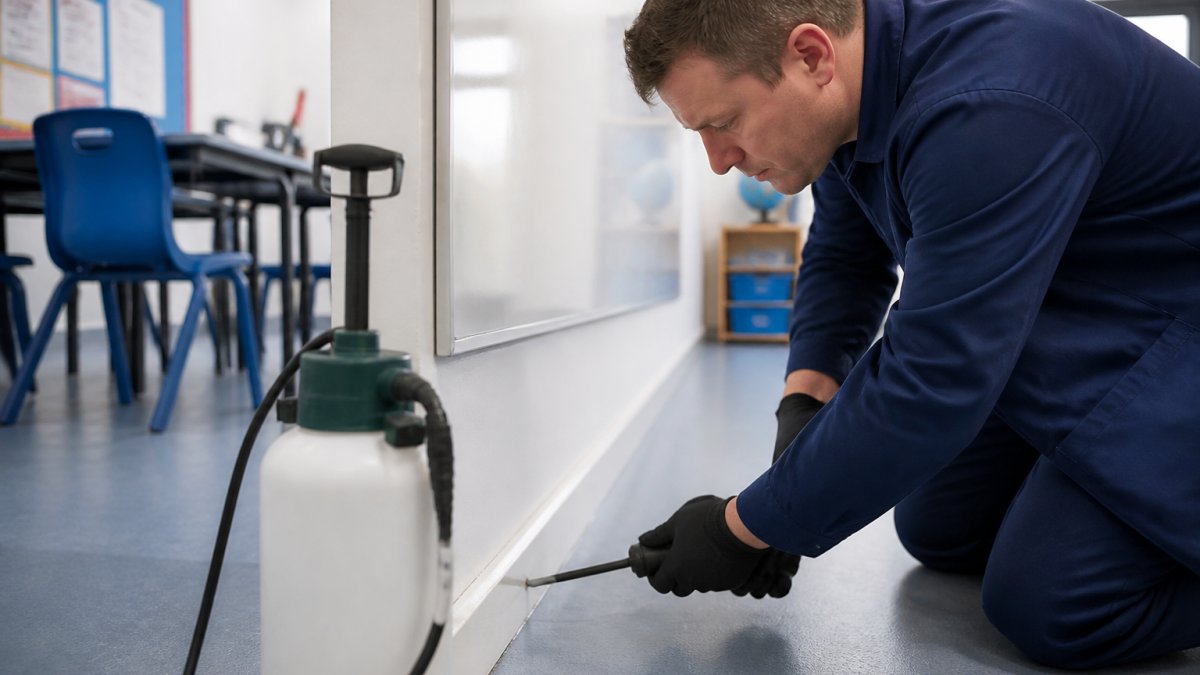
- Seal structural gaps: Any gap wider than a few millimetres around pipework or skirting boards is a potential entry point. Use expanding foam or wire mesh to seal gaps.
- Manage food waste rigorously: Empty internal bins at the end of every service. External bins should have close-fitting lids and be positioned away from the building.
- Store dry goods correctly: Flour, sugar, and rice should be stored in sealed containers, not original packaging.
- Check deliveries on arrival: Inspect boxes before they enter the kitchen, and break down cardboard promptly.
- Maintain cleaning schedules under equipment: Grease and food debris accumulate under cooking equipment and provide harborage for cockroaches and rodents.
- Fix moisture issues promptly: Leaking pipes and condensation create damp conditions that attract pests.
- Review the exterior: Overgrown vegetation, stacked pallets, and cluttered outbuildings provide shelter for rodents.
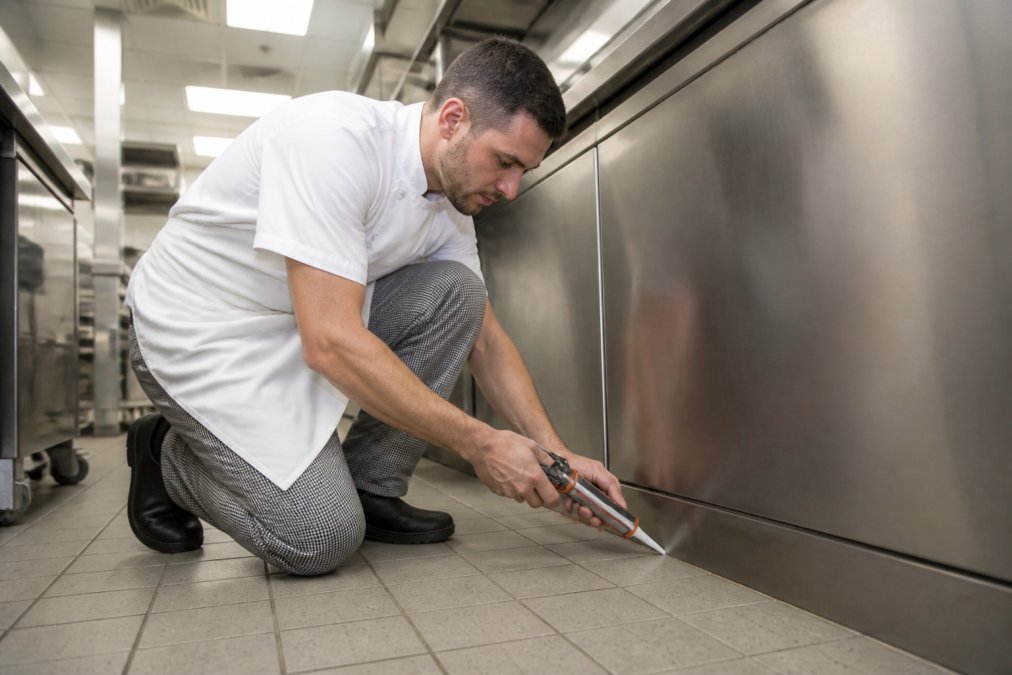
A professional pest control provider should review your current practices during a site survey and identify specific risk factors relevant to your premises.
How to Choose a Commercial Pest Control Provider
Choosing the wrong pest control provider is a costly mistake. Many cafe owners select on price alone, only to face the same problem three months later. The right provider for a food business is not necessarily the cheapest one; it is the one whose approach suits a regulated commercial environment.
| Criteria | What to Look For | Why It Matters |
|---|---|---|
| Qualifications | RSPH Level 2 minimum | Demonstrates formal training in pest identification and treatment |
| Industry membership | NPTA or equivalent | Indicates adherence to professional standards |
| BASIS PROMPT registration | Current registration | Confirms competency in pesticide use and safety |
| Availability | Seven days a week | Essential for out-of-hours visits in hospitality |
| Documentation | Written reports after each visit | Required for food hygiene compliance records |
| Approach | Source-identification methodology | Reduces recurrence rather than just treating symptoms |
| Discretion | Plain-clothed technicians, flexible hours | Protects business reputation during treatment |
According to the National Pest Technicians Association guidance on commercial pest control, professional pest management in food businesses should be carried out by technicians with verifiable qualifications and a structured approach to risk assessment.
Ask any prospective provider how they would handle a repeat infestation. A confident, structured answer including follow-up visits and a review of the original survey findings is a good sign.
What Sets Qualified Technicians Apart
The difference between a qualified technician and an unqualified one becomes apparent when the problem returns, or does not.
Qualified technicians understand pest biology, how different species behave and their lifecycles. A mouse colony behaves differently from a rat colony. Cockroach infestations require different approaches depending on species. Treating the wrong species with the wrong product wastes time and money, and in a food business, it can create compliance issues if the wrong pesticide is applied near food contact surfaces.
ProPest Oxford Ltd. technicians hold a minimum RSPH Level 2 qualification and are BASIS PROMPT registered, meaning their pesticide knowledge is assessed and kept current. The company is also a member of the NPTA, which provides a framework of professional standards. These credentials are independently verified, not self-declared.
Not every registered business can handle commercial food premises. Hospitality environments require specific understanding of food safety law, discreet working practices, and the ability to produce documentation that supports a food hygiene inspection.
As noted in guidance from the Royal Society for Public Health on pest-related public health risks, pest infestations in food environments carry significant public health implications. Qualified pest management is one of the most effective preventative public health measures a food business can take.
Running a cafe means managing competing demands, and pest control rarely feels urgent until it is. By the time a pest problem is visible to customers, reputational and regulatory damage is underway. ProPest Oxford Ltd. provides discreet pest control for food businesses across East Sussex, with RSPH Level 2 qualified technicians, seven-day availability, and a root-cause methodology designed to resolve infestations rather than defer them. Book A Service today and get a site survey from a technician who will tell you exactly what is happening on your premises and what needs to be done about it.
Frequently Asked Questions
How do you handle pest control in a busy cafe without alarming customers?
Visits are scheduled outside trading hours, early mornings, evenings, or weekends, so customers never see technicians working. Plain-clothed operatives and unmarked vehicles are standard practice for discreet pest control in hospitality settings. All documentation and communication is handled confidentially, so there is no visible indication that a treatment has taken place. The goal is to resolve the problem without any disruption to your reputation or your daily trade.
What are the legal requirements for pest control in food service businesses?
Under the Food Safety Act 1990 and Regulation (EC) No 852/2004 on food hygiene, food business operators must maintain premises free from pests. Environmental Health Officers assess pest evidence during inspections, and a failure can result in a hygiene rating drop, improvement notices, or closure. Keeping documented records of professional pest control visits is essential. A qualified commercial pest control provider will supply written service reports that satisfy these legal requirements and support your due diligence.
How often should cafes schedule professional pest inspections?
Most food businesses benefit from quarterly inspections as a minimum, though high-footfall cafes or those with outdoor seating, food storage areas, or older premises may need monthly visits. Regular scheduled inspections let a technician spot early warning signs, droppings, gnaw marks, grease trails, before an infestation develops. Consistent documentation from these visits also strengthens your position during Environmental Health inspections and demonstrates proactive compliance with food hygiene law.
What signs of pest activity should cafe owners look for?
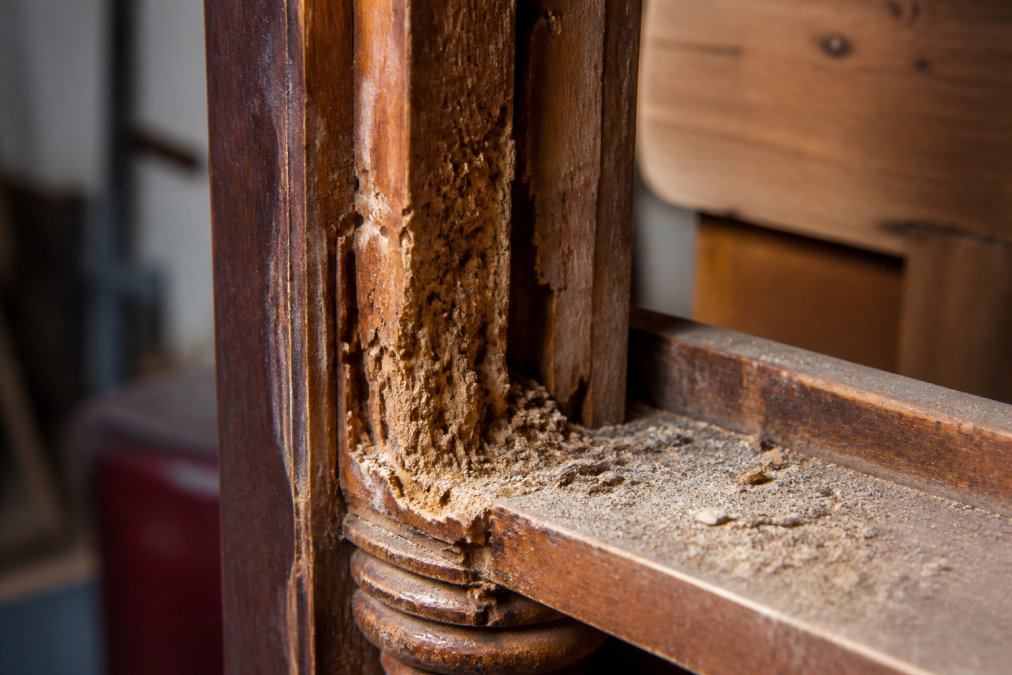
Common indicators include rodent droppings near food storage or behind equipment, gnaw marks on packaging or woodwork, grease smears along skirting boards, and unusual odours. For insects, look for live or dead specimens near drains, food prep areas, or delivery zones, and check for small holes in dry goods packaging. Spotting any of these signs early and contacting a discreet pest control specialist promptly reduces the risk of a full infestation and the reputational damage that follows.