 ultimate-guide
Health Risks of Rodent Infestations: What You Need to Know
Table of Contents
- Why Health Risks of Rodent Infestations Matter
- Diseases Spread by Rats in Your Home
- Respiratory and Allergic Reactions from Rodent Infestations
- Signs of Rat Infestation in Your House
- Preventing Rodent Entry Points in Your Property
- When to Call Professional Pest Control
- Frequently Asked Questions
Why Health Risks of Rodent Infestations Matter
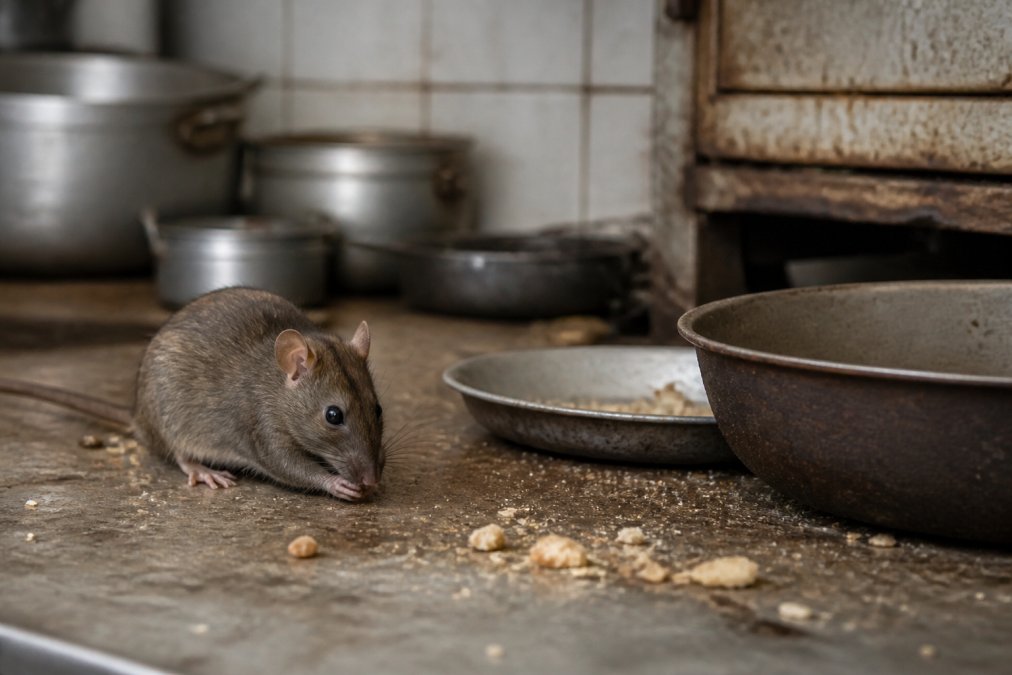
Rodent infestations pose genuine health hazards that extend far beyond psychological distress. Rats and mice carry pathogens that contaminate surfaces, food, and air within your property. Rodents actively contaminate spaces through their droppings, urine, and saliva, depositing disease-causing organisms throughout your home. The longer an infestation persists, the more pervasive the contamination becomes. What makes rodent infestations particularly dangerous is their invisibility during early stages, by the time most people notice obvious signs, the population has often grown significantly and contamination has spread to inaccessible areas.
Diseases Spread by Rats in Your Home
Rats transmit several serious diseases to humans, primarily through direct contact with their droppings, urine, and saliva, or indirectly through contaminated food and water.
Leptospirosis and water contamination
Leptospirosis is a bacterial infection spread when rat urine contaminates water sources or surfaces. The bacteria can survive in soil and water for weeks, making any area where rats have urinated a potential transmission point. People typically contract leptospirosis through cuts or abrasions on the skin, or by ingesting contaminated water or food.
Early symptoms resemble flu, fever, headache, muscle aches, but the infection can progress to serious complications affecting the kidneys and liver, requiring hospitalisation in severe cases (the CDC). Your kitchen and bathroom are particularly vulnerable, as rats often nest near water pipes and drains. If you notice rat activity near your water supply or drainage system, contamination is a realistic concern. Professional pest control specialists can identify contamination sources that homeowners typically miss.
Hantavirus and respiratory exposure
Hantavirus is transmitted primarily through inhalation of aerosolised particles from dried rodent droppings or urine. When you sweep or vacuum rodent droppings without proper precautions, you release virus particles into the air, creating a direct respiratory hazard. This is why professional pest control teams use specialised equipment and protocols when cleaning contaminated areas.
Hantavirus causes hantavirus pulmonary syndrome, a severe respiratory illness (the CDC). Initial symptoms include fever, muscle aches, and fatigue, progressing to coughing and shortness of breath. The condition can be fatal, particularly in older adults and those with compromised immune systems. There is no vaccine and no specific treatment; management focuses on supportive care while the body fights the infection.
Salmonella and food contamination
Salmonella bacteria live in rodent intestines and are shed through droppings. Rats contaminate food storage areas, cupboards, and preparation surfaces, spreading the bacteria wherever they travel. Unlike some pathogens, salmonella survives on surfaces for extended periods, creating ongoing contamination risk.
Salmonella infection causes severe gastroenteritis, vomiting, diarrhoea, abdominal cramps, and fever, typically appearing within 6-72 hours of exposure (the CDC). For young children, elderly individuals, and those with weakened immune systems, infection can become serious and require medical intervention. The insidious aspect is that you cannot see or smell salmonella contamination, a rat may have walked across your worktop or contaminated your cereal box, leaving behind bacteria that survives until you consume the food.
Respiratory and Allergic Reactions from Rodent Infestations
Beyond direct disease transmission, rodent infestations trigger respiratory and allergic reactions through exposure to rodent proteins and faecal particles. These reactions can develop or worsen over time as contamination accumulates, affecting household members who may not have previous allergies.
Rodent urine and droppings contain proteins that act as allergens. When these particles become airborne through ventilation systems or disturbance of contaminated materials, they enter the respiratory tract, triggering allergic responses including sneezing, nasal congestion, itchy eyes, and asthma exacerbation.
Asthma sufferers face particular risk. Rodent allergens are known asthma triggers, and living in a rodent-infested property can cause persistent asthma symptoms, frequent attacks, and increased medication requirements. Controlling the infestation and thoroughly decontaminating affected areas often results in dramatic improvement in asthma symptoms within weeks.
Signs of Rat Infestation in Your House
Early detection of rodent activity gives you the best chance of controlling an infestation before it becomes widespread.
Droppings and contaminated surfaces
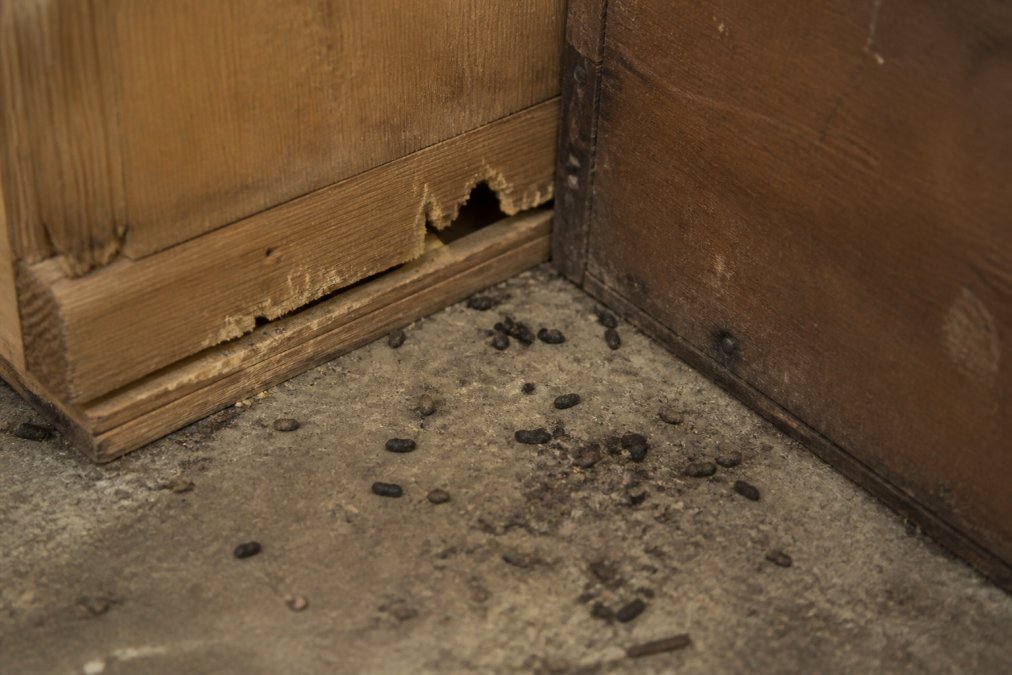
Rodent droppings are the most obvious sign of infestation. Rat droppings are roughly 12-18mm long, dark brown or black, and appear in clusters in areas where rats travel or nest. Fresh droppings appear moist and dark; older droppings become dry and crumbly.
The presence of droppings indicates current or recent rat activity and potential contamination of that area. Discovery of droppings warrants immediate professional assessment to identify the extent of contamination and recommend safe decontamination protocols. Under ultraviolet light, rodent urine glows, revealing contamination patterns that aren't visible to the naked eye, professional pest control teams use these detection methods to map infestation extent.
Structural damage and gnaw marks
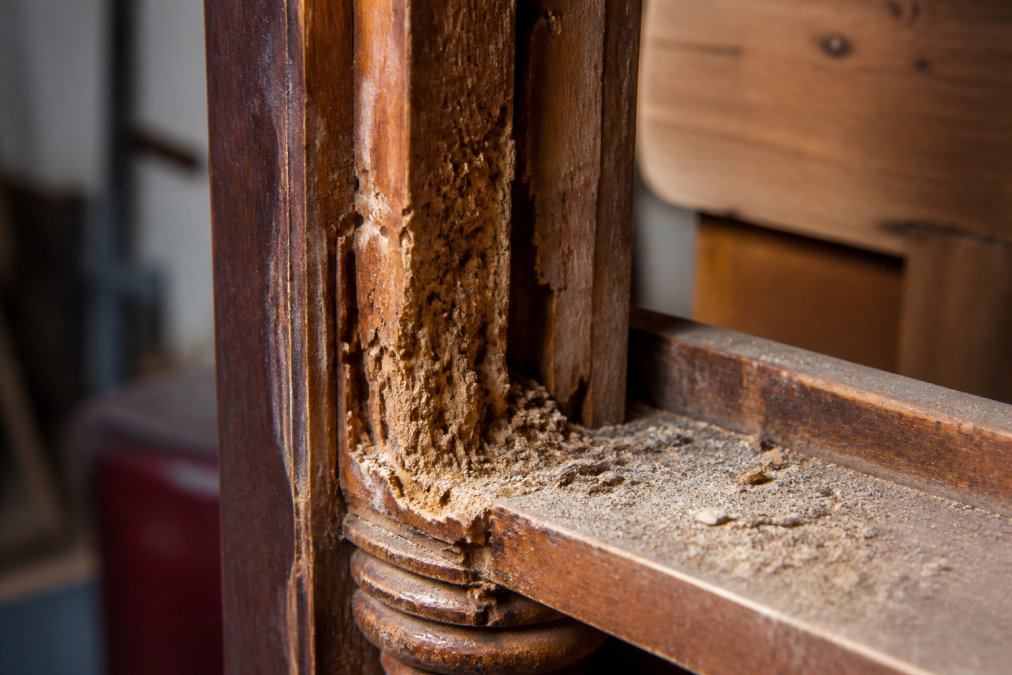
Rats gnaw constantly to wear down their continuously growing teeth, damaging wood, plastic, insulation, and electrical wiring. Gnaw marks appear on furniture, skirting boards, door frames, and pipes. Damage to electrical wiring poses serious fire risk; rodents have chewed through wiring in countless properties, causing electrical faults and fires.
Insulation damage reduces your property's thermal efficiency and creates nesting material for rodents. Comprehensive pest control addresses not just the rodents themselves, but the damage they've caused and the conditions that enabled their establishment.
Unusual sounds and odours
Rats are nocturnal and create characteristic sounds within walls and ceilings, scratching, scurrying, and gnawing noises, particularly during evening and night hours. The location of sounds helps identify where rodents are nesting and travelling within your property.
Distinctive odours accompany rodent infestations. The smell of rodent urine is particularly pungent and unmistakable. Musty, ammonia-like odours in specific areas suggest rodent nesting in that vicinity. Dead rodents create particularly strong odours as they decompose within walls or enclosed spaces.
Preventing Rodent Entry Points in Your Property
The most effective approach to managing health risks of rodent infestations is preventing entry in the first place. Rodents require only tiny openings to enter buildings, a gap the width of a pencil is sufficient for mice, whilst rats need only slightly larger spaces.
Sealing gaps and cracks
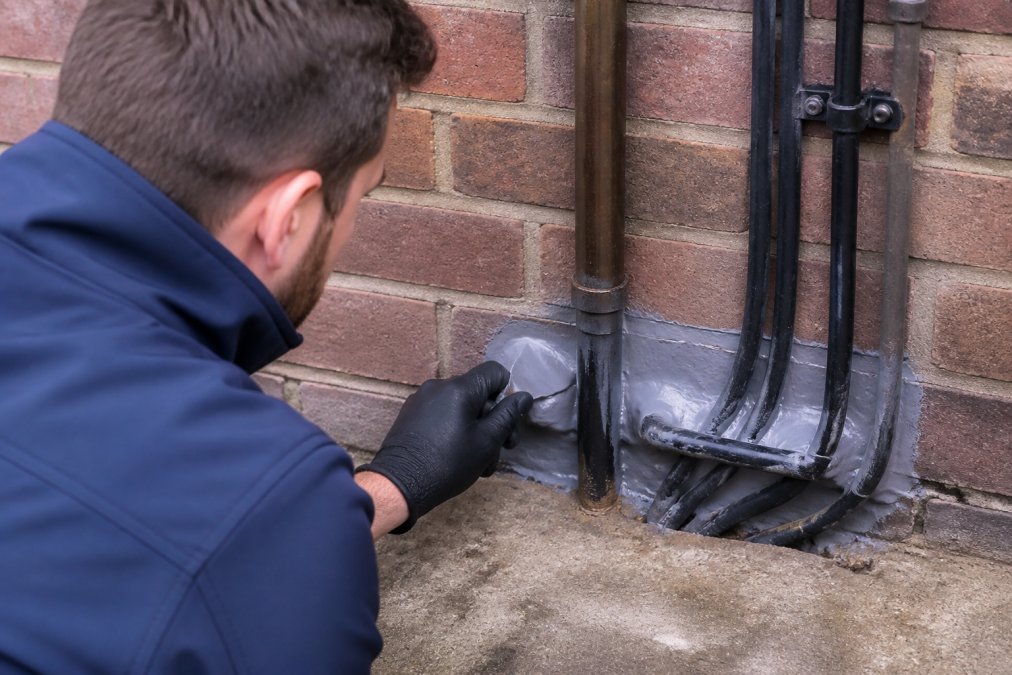
Inspect your property's exterior systematically, looking for any gaps, cracks, or holes where rodents might enter. Pay particular attention to areas where utilities enter the building, pipes, cables, and vents. These penetrations often create gaps that rodents exploit readily. Seal these openings with appropriate materials: metal mesh for larger gaps, caulk or expanding foam for smaller ones.
Rodents are excellent climbers and can access entry points at any height. Check eaves, roof junctions, foundation cracks, gaps around doors and windows, and damaged weatherstripping. Professional pest control specialists understand construction vulnerabilities that homeowners often miss, ensuring comprehensive exclusion.
Managing food storage and waste
Rodents are attracted to properties that provide food sources. Store dry goods in sealed containers rather than original packaging, which rodents can chew through easily. Keep cupboards clean and free of crumbs or spilled food.
Secure rubbish in sealed bins that rodents cannot access. Don't leave food out overnight, and remove uneaten pet food promptly. Use enclosed compost bins rather than open heaps, and avoid composting meat, dairy, or oily foods that particularly attract rodents.
Maintaining drains and external areas
Drains and sewers provide rodent access routes into buildings. Regular drain maintenance prevents the accumulation of organic material that attracts rodents. External areas require attention as well, overgrown vegetation provides cover for rodents and nesting material. Trim back bushes and trees away from your property's exterior.
Eliminate standing water, fix leaking outdoor taps, and ensure gutters drain properly away from the building. These environmental modifications make your property less attractive to rodents and reduce infestation risk significantly.
When to Call Professional Pest Control
Whilst prevention and early detection are valuable, professional pest control intervention becomes necessary when infestations are confirmed or suspected. Attempting DIY rodent control carries genuine risks to your health, your property, and your success in eliminating the infestation.
Professional pest control specialists possess expertise that goes beyond simple rodent removal. They understand rodent behaviour, identify all entry points and nesting sites, and employ treatment methods that actually eliminate infestations. ProPest Oxford Ltd technicians hold minimum RSPH Level 2 qualifications, ensuring they understand pest biology, treatment protocols, and health and safety requirements. They can typically arrange same-day or next-day appointments, addressing urgent infestations before they spread further.
Contact professional pest control immediately if you observe signs of rodent activity. The longer you wait, the larger the population grows and the more extensive the contamination becomes.
Living with a rodent infestation means living with genuine health hazards, diseases transmitted through contamination, respiratory risks from airborne particles, and ongoing property damage. The health risks of rodent infestations demand swift, professional response. ProPest Oxford Ltd offers same-day or next-day appointments with RSPH Level 2 qualified technicians who identify infestation sources and implement treatment protocols designed for lasting results. Book a service today and restore your property to a safe, pest-free environment.
Frequently Asked Questions
Q: What diseases can be spread by rats in the home?
A: Rats transmit several serious diseases through their droppings, urine, and saliva. Leptospirosis, a bacterial infection found in rat urine, can contaminate water supplies and soil. Hantavirus spreads through inhaling dust from infected droppings and can cause severe respiratory illness. Salmonella contamination occurs when rats walk across food preparation areas and surfaces. Professional pest control eliminates these disease vectors by removing rats and contaminated materials safely.
Q: Are rodent droppings dangerous to humans?
A: Yes, rodent droppings pose significant health hazards. When droppings dry, they become airborne as dust particles that carry harmful bacteria and viruses. Inhaling this contaminated dust can trigger respiratory infections and allergic reactions. Droppings also contaminate food, water, and surfaces with pathogens like Salmonella and Hantavirus. Never touch or sweep dried droppings; professional pest control teams use proper containment and disposal methods to eliminate this hazard safely and prevent cross-contamination in your home.
Q: How can I tell if I have a serious rodent infestation?
A: Signs of rat infestation in your house include multiple droppings in cupboards, pantries, and dark corners; gnaw marks on wood, cables, and food packaging; and a strong musty odour. Hearing scratching sounds in walls or ceiling spaces, particularly at night, indicates active rodents. Structural damage such as holes in skirting boards or damaged insulation suggests an established colony. If you notice several of these signs together, the infestation is likely advanced. Contact professional pest control immediately, as DIY treatments often fail to address the root cause and prevent recurrence.
Q: What's the best way to prevent rodents from entering my property?
A: Preventing rodent entry points requires a multi-layered approach. Seal gaps around pipes, cables, and vents with metal mesh or specialist sealant, as rats can squeeze through openings as small as 10mm. Store food in airtight containers and remove crumbs promptly. Keep bins sealed and manage garden waste away from the property. Trim vegetation and remove potential nesting materials like cardboard and newspaper. Check drainage systems for damage or blockages that create entry routes. Professional pest control services can conduct a thorough property survey to identify vulnerabilities and recommend specific preventative measures tailored to your home.