 how-to
How to Choose a Certified Residential Pest Controller
Table of Contents
- What 'Certified' Means for a Pest Controller in the UK
- Checking Pest Control Qualifications and Technician Training
- Verifying Trade Membership, Insurance and Track Record
- Questions to Ask a Pest Controller Before You Book
- Getting a Pest Control Quote and Inspection
- Reviewing the Pest Control Treatment Plan and Safety Advice
- Booking Your Certified Pest Controller and What Happens After the Visit
- Frequently Asked Questions
What 'Certified' Means for a Pest Controller in the UK
Last Updated: 8 November 2026
If you're searching for how to choose a certified residential pest controller, start by knowing that "certified" isn't a single legal title in the UK. Anyone can call their firm certified. What matters is which body stands behind the claim, and whether you can check it yourself.
Many homeowners assume a certificate on a van means the firm has been independently inspected. Often it means the technician completed a course. Those are different things, and the difference matters when chemicals are going into your home.
ProPest Oxford Ltd works to a clear standard here. Our technicians hold a minimum RSPH Level 2 qualification, and we are associated with the National Pest Technicians Association (NPTA) and BASIS PROMPT. These are the credentials to check, and we explain below how to verify them.
- Qualification: A course the technician has passed, such as RSPH Level 2.
- Membership: A trade body the firm has joined, such as NPTA.
- Registration: A scheme that tracks competence and training, such as BASIS PROMPT.
A firm that can name all three, and show proof, is the one to shortlist.
Checking Pest Control Qualifications and Technician Training
Ask every provider which qualifications their technicians hold, not just the company. A firm can be a member of a trade body while the person who visits your home has no formal training at all.
Look for:
- The exact qualification name, such as RSPH Level 2 in pest management
- Whether the technician holds it personally, not just the office
- Ongoing training, since treatment products and rules change
Be wary of vague replies like "all our staff are fully trained." Ask to see the certificate or the register entry. A reputable pest controller will be happy to show you.
Verifying Trade Membership, Insurance and Track Record
Membership of a trade body usually means the firm agrees to a code of practice and can be held to it. But a logo on a van or a leaflet proves nothing on its own, because logos can be copied. The only reliable check is to look the firm up on the organisation's own website, using the membership number the firm gives you, and to confirm the entry is current rather than lapsed.
In the UK, the bodies you are most likely to see named are the National Pest Technicians Association (NPTA), the British Pest Control Association (BPCA) and BASIS PROMPT. They are not the same thing:
-
NPTA is a trade association for pest technicians and firms.
-
BASIS PROMPT is a registration scheme for pest control professionals.
That distinction matters. Ask for the individual technician's name and registration number, then check it against the scheme's own register. If the firm cannot give you a number, treat the claim as unverified.
Watch out: a firm that shows a membership logo but cannot produce a membership number is one to question further.
Next, confirm insurance. Ask for proof of public liability cover and check that the policy is current and that the limit is stated. Public liability cover protects you if something goes wrong on your property during treatment, such as damage to fittings or a spill.
Finally, look at track record. Consider:
- How long the firm has operated (ProPest Oxford Ltd was established in 2017)
- Recent customer reviews on independent sites, not only the firm's own testimonials page
- Whether reviews describe the problem being solved, not just a friendly visit
- Whether the firm can describe similar residential jobs it has handled, such as flats, terraced houses or properties with children and pets
One review that says "Rat Blocker installed and sewer wall repaired, excellent work and value for money" tells you more than a generic five-star score. Read for specifics: what was the pest, how many visits did it take, was the source found, and did the firm come back when the problem recurred. A pattern of detailed reviews naming the same technician is stronger evidence than a high average score with no detail.
Questions to Ask a Pest Controller Before You Book
Before you book, put these questions to any provider you're considering:
- Which qualifications do your technicians hold, and can I see proof?
- Are you a member of a recognised trade body, and can I check that?
- Do you carry public liability insurance?
- How quickly can you attend, and do you offer same-day or next-day visits?
- Will you identify the source of the problem, or only treat the symptoms?
- What happens if the problem returns? Is there a guarantee?
- Do you have experience with my type of property, such as a rental, a café or a large estate?
A good provider answers each question directly. If they dodge the guarantee or the qualifications, move on.
ProPest Oxford Ltd offers same-day or next-day appointments and services seven days a week. We focus on finding the source of an infestation, not just clearing what you can see. Our technicians' credentials are listed above so you can check them before you call.
Getting a Pest Control Quote and Inspection
A proper quote starts with an inspection. Be cautious of firms that quote over the phone without looking at the problem, because they cannot know the scope of the work.
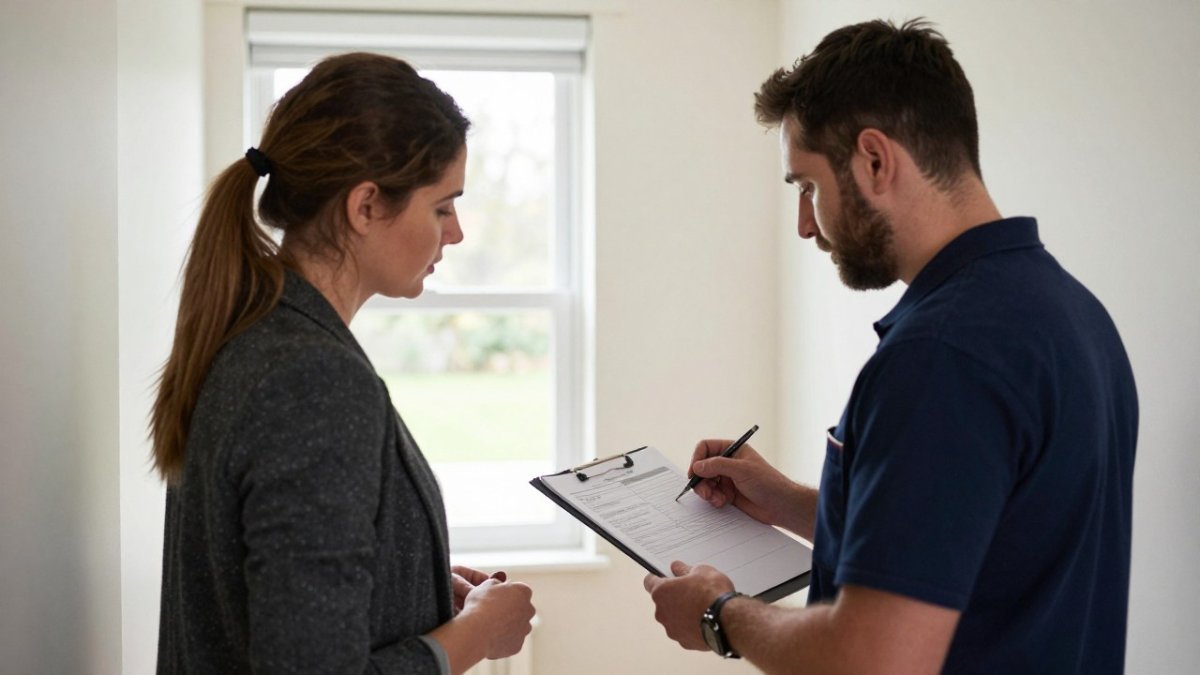
A written quotation should state:
- The pests involved and where activity was found
- The treatment method and products to be used
- Any follow-up visits included
- Whether the price covers the whole job or extra visits
Pricing depends on the type of pest, the size and layout of the property, and how many visits are needed. For current prices, contact ProPest Oxford Ltd directly for a quote.
Compare at least two written quotes, but compare what is included, not only the headline figure. A low price with no follow-up visit can cost more in the long run.
The article sets out what a written quotation should cover and what drives the price.
| Quote item | What to check | Why it matters |
|---|---|---|
| Pests and locations | Pests named, activity areas listed | Shows the inspection was done |
| Treatment method | Method and products stated | Lets you check safety advice |
| Follow-up visits | Included or extra | Affects the true total cost |
| Price scope | Whole job or extra visits | Prevents surprise charges |
| Price drivers | Pest type, property size and layout, visit count | Explains why quotes differ |
Reviewing the Pest Control Treatment Plan and Safety Advice
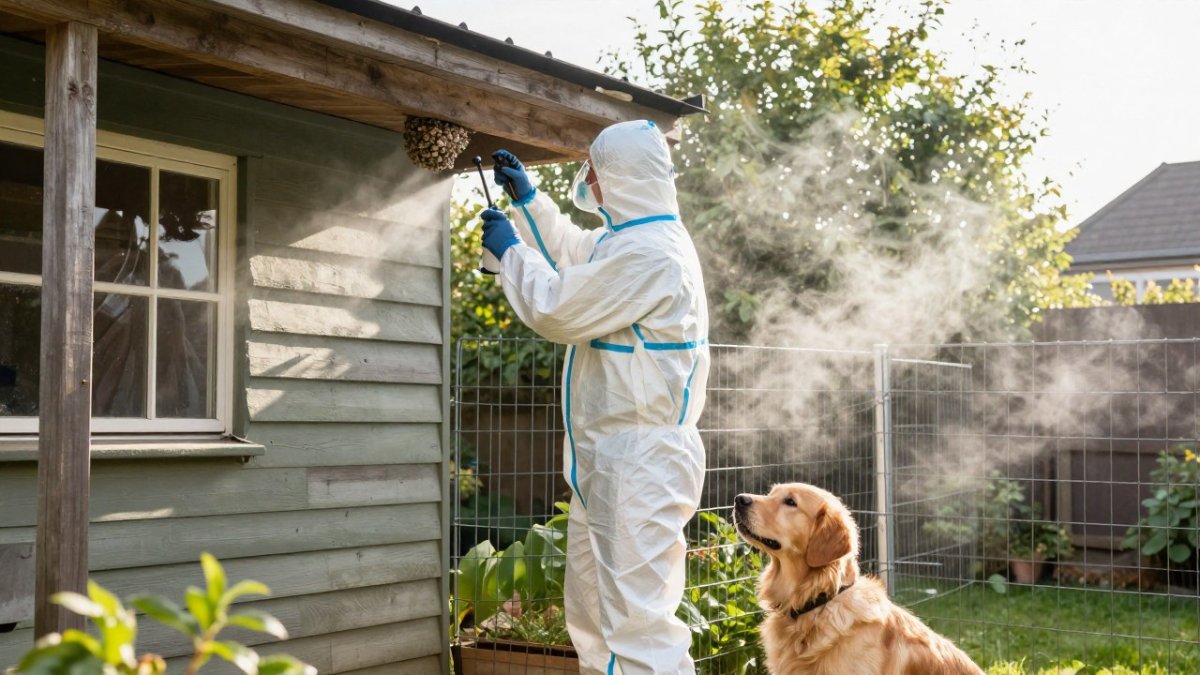
Before any treatment starts, you should understand the plan and the safety advice that goes with it. This is the part most homeowners skim, and it is the part that matters most when there are children, pets or vulnerable residents in the house.
Ask the technician to explain, and to put in writing:
- What treatment will be used, and where, including whether it is a bait, a spray, a dust or a trap
- Which product is being applied and its active ingredient, so you can check the label advice yourself
- How long you need to stay out of treated rooms, and whether the whole property needs to be vacated
- What to do with pets, children, food preparation areas and fish tanks
- Whether any follow-up visit is needed to confirm the problem is gone
- What to do if you see the pest again before the follow-up
What to disclose before the visit. Tell the firm at booking, not on the day, if anyone in the household is pregnant, asthmatic, immunocompromised, a young child or a vulnerable adult, and whether you have pets, fish or reptiles. These details change the product choice and the precautions. A firm that does not ask is not planning around your household.
What precautions to expect. For most residential treatments, expect to clear food, utensils and pet bowls from treated areas, to keep pets and children out of rooms for the period stated on the label, and to ventilate rooms afterwards as instructed. Some treatments, such as bait stations for rodents, are placed out of reach and need less disruption; others, such as residual sprays, need rooms left empty for longer. The technician should tell you which applies before starting, not after.
When residents can return. The safe return time depends on the product and the label instructions, so ask the technician to state it plainly and write it on the safety advice. Do not rely on a general rule of thumb. If you are unsure, keep the treated area closed and call the firm to confirm.
Watch out: a technician who cannot name the product being used, or who waves away questions about children and pets, is not giving you the information you need to make a safe decision.
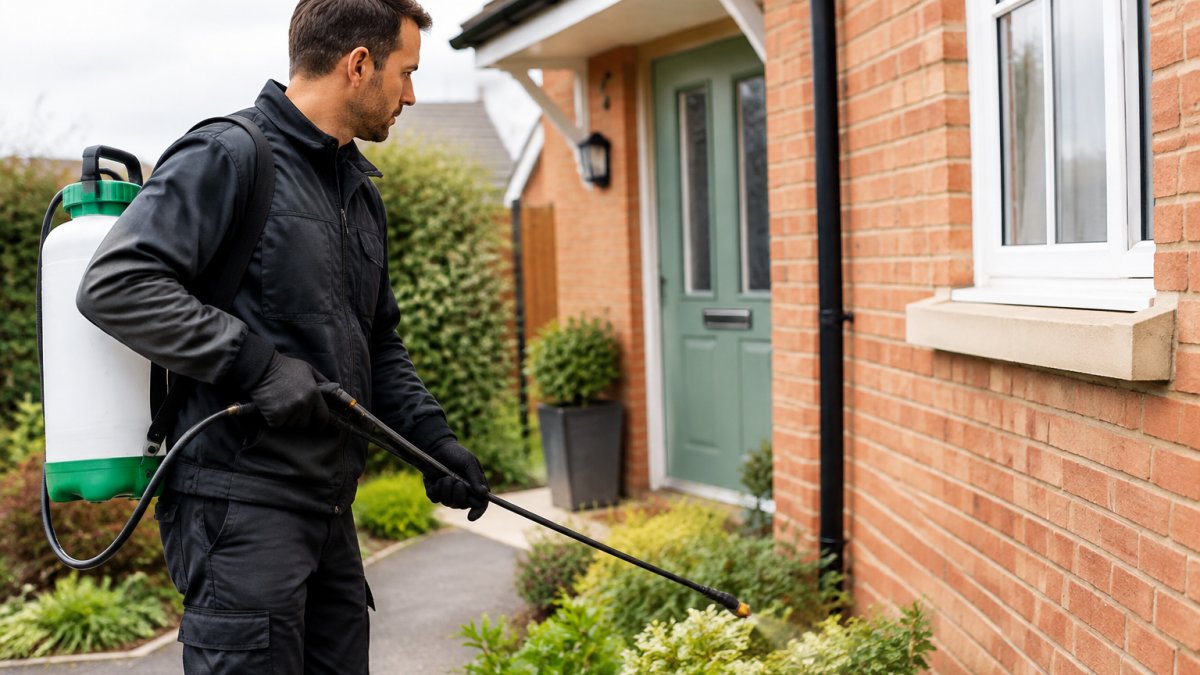
Treatments should be applied by a qualified technician following the label instructions. Ask for written safety advice you can keep, and keep it with the treatment record.
Booking Your Certified Pest Controller and What Happens After the Visit
Once you've checked qualifications, insurance and the quote, you're ready to book. Use this simple checklist:
- Qualifications confirmed and proof seen
- Trade membership checked on the official site
- Public liability insurance confirmed
- Written quotation received and compared
- Safety advice and treatment plan understood
- Guarantee or follow-up terms in writing
After the visit, keep the treatment record and any guarantee details. If the pest returns, contact your provider promptly.
To book a certified technician, contact ProPest Oxford Ltd to arrange an inspection. You can also book a drain inspection or choose a pest solutions provider to compare your options.
Best for: homeowners who want a clear, verifiable choice before paying for treatment.
Frequently Asked Questions
How can I check whether a pest controller is qualified?
Ask the company which qualifications its technicians hold, such as the RSPH Level 2 Award in Pest Management, and request evidence rather than taking a verbal assurance. Check whether the firm belongs to a recognised trade body such as the National Pest Technicians Association (NPTA), and confirm membership on that body's website. Ask whether technicians are registered with a recognised scheme such as BASIS PROMPT. A reputable firm will explain these credentials willingly and will not object to you checking them.
What should I ask before hiring a pest control company?
Ask whether the firm holds public liability insurance and whether technicians are fully insured while working in your home. Ask how long the company has operated and whether it can provide references or recent customer reviews. Ask what treatment method it proposes, whether it will identify the source of the infestation rather than only the symptoms, and what safety precautions apply for children, pets and anyone vulnerable in the property. Ask how soon it can attend and whether follow-up visits are included.
Should I get more than one pest control quote?
Yes, a written quotation from at least two providers lets you compare the scope of work rather than only the headline price. Check that each quote states the inspection, the treatment method, the number of visits and any follow-up or guarantee terms. A much lower price can mean a narrower service, so compare like with like. Pricing depends on the type of pest, the size of the property and the level of infestation, so ask each provider to explain its figure rather than relying on a general estimate. For current prices, contact ProPest Oxford Ltd directly for a quote.
What should a pest control treatment plan include?
A treatment plan should set out the pest identified, the likely cause, the treatment method and the products or approach to be used, along with any preparation you need to do. It should describe the number of visits, the monitoring schedule and the steps to prevent the problem returning. Ask for the plan in writing before work begins so you can check it against the quotation and understand what happens if the first treatment does not resolve the problem.