 how-to
Preventing Pest Reinfestation After Professional Treatment
Last Updated: 6 November 2026
Quick Summary
Preventing pest reinfestation means leaving treated surfaces undisturbed for the no-cleaning window your technician specifies, sealing entry points, and monitoring traps weekly to spot new activity early. A single sighting in the first two weeks usually means surviving pests, not pest reinfestation, so keep notes and book a follow-up visit if counts rise.
- Do not clean or vacuum treated rooms for the period your technician specifies, as your written aftercare instructions take precedence.
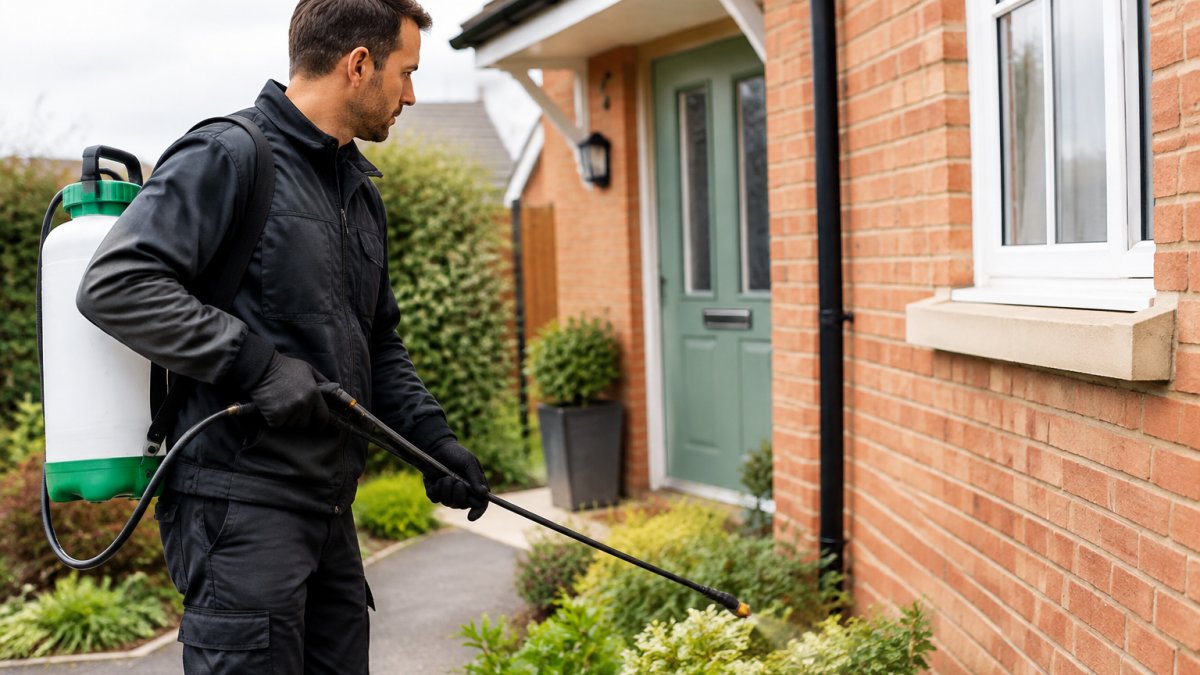
- Residual sprays to skirting boards and floor edges typically need a no-cleaning window of 7 to 14 days.
- Seal anything you can fit a pencil into, including gaps around pipes, cables and waste outlets.
- Number your traps, check them weekly and record counts; a falling count shows the treatment is still working.
- In shared buildings, report sightings to the building manager so neighbouring units can be checked.
Table of Contents
- Why Pests Stay Visible After Professional Treatment
- What to Do After Pest Control Treatment in the First 48 Hours
- How Long to Wait Before Cleaning After Pest Control
- How to Seal Entry Points to Prevent Pests Coming Back
- Spotting Reinfestation Versus Surviving Pests
- Pest Control Follow-Up Treatment: When to Book a Repeat Visit
- Aftercare Around Children, Pets and Shared Buildings
- Book Your Follow-Up Visit with ProPest Oxford Ltd
- Frequently Asked Questions
Why Pests Stay Visible After Professional Treatment
Seeing a pest after treatment does not mean the treatment failed, and it is not always a sign of pest reinfestation. Preventing pest reinfestation after professional treatment starts with understanding what "normal" looks like in the days that follow.
Here is why. A residual insecticide does not kill instantly. Insects walk through treated surfaces, pick up the product, and die hours or days later. Some emerge from harbourage they have used for months.
That is why the treatment period matters more than the treatment moment. A single sighting in week one tells you very little. A pattern over two weeks tells you plenty.
Watch out: the biggest mistake is reaching for a shop-bought spray the moment you see movement. That can scatter pests deeper into hidden areas and dilute the professional product already working.
What to Do After Pest Control Treatment in the First 48 Hours
What should you do after pest control treatment? Leave treated surfaces alone, keep the treated rooms ventilated as advised, and do not clean or vacuum for the period your technician specifies. Your aftercare instructions are specific to your treatment, so follow those over anything you read online.
The first 48 hours are about restraint, not action:
- Keep children and pets out of treated rooms until dry
- Do not mop floors or wipe skirting boards
- Do not move bait stations or traps
- Note any sightings with time and location
- Keep rubbish bins closed and empty them nightly
- Report anything unusual to your technician
A common mistake is tidying up before the product has settled. Light cleaning is fine where your technician allows it. Vigorous cleaning removes the residual layer you paid for.
How Long to Wait Before Cleaning After Pest Control
How long to wait before cleaning after pest control depends on the product, the pest and the surfaces treated.
As a working guide, most practitioners find the following patterns hold:
| Treatment type | Typical no-cleaning window | Why |
|---|---|---|
| Residual spray to skirting boards and floor edges | 7 to 14 days | The dried film is the active layer; wet wiping removes it |
| Gel bait for cockroaches or ants | Until bait is consumed or the technician clears it | Cleaning near bait stations destroys the attractant |
| Rodenticide bait stations and traps | Keep in place for the full monitoring period | Disturbing stations breaks the count you rely on |
| Bed bug treatment (spray or heat) | Follow the technician's re-entry time, often a few hours | Heat and residue both need to settle before occupancy |
| Proofing work (sealant, mesh, bristle strips) | Once sealant is fully cured, usually 24 hours | Uncured sealant smears and loses adhesion |
After the window, clean with a light touch:
- Vacuum edges and corners rather than scrubbing them
- Wipe surfaces with a damp cloth, not a soaked one
- Avoid bleach and strong detergents on treated areas
- Keep monitoring traps in place while you clean
- Work from the furthest room back towards the exit so you do not walk residue through the property
A day-by-day approach keeps this manageable. In the first 24 hours, do nothing beyond ventilating as advised and noting sightings. In the first week, restrict yourself to dry vacuuming where permitted and keep bins closed and emptied nightly.
Watch out: mopping a treated floor on day three can strip the residual layer, so it is best avoided until your technician confirms it is safe.
Cleaning is part of prevention, not a separate job. Removing food crumbs and food spills cuts off the food supply that drew pests in.
If you want a practical walkthrough of the physical work, our guide on how to seal entry points for pests covers the materials and technique.
How to Seal Entry Points to Prevent Pests Coming Back
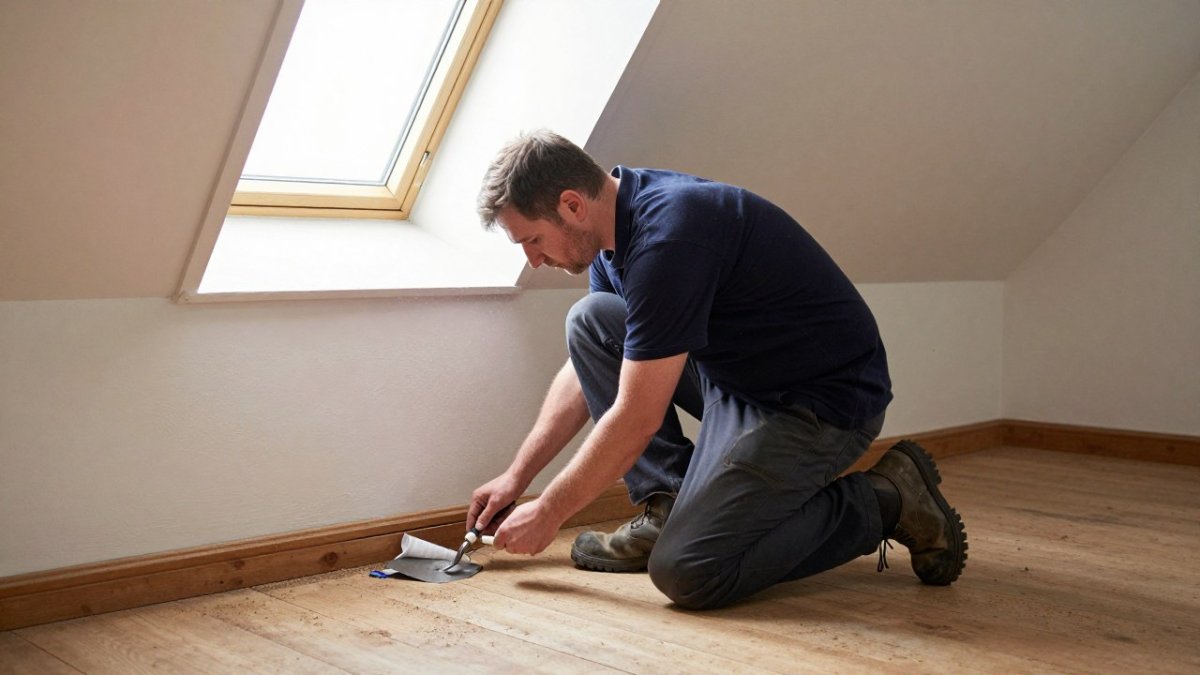
Sealing entry points is one of the steps that helps stop pests returning. Proofing closes the cracks and gaps that let rodents and insects back into the same harbourage they used before.
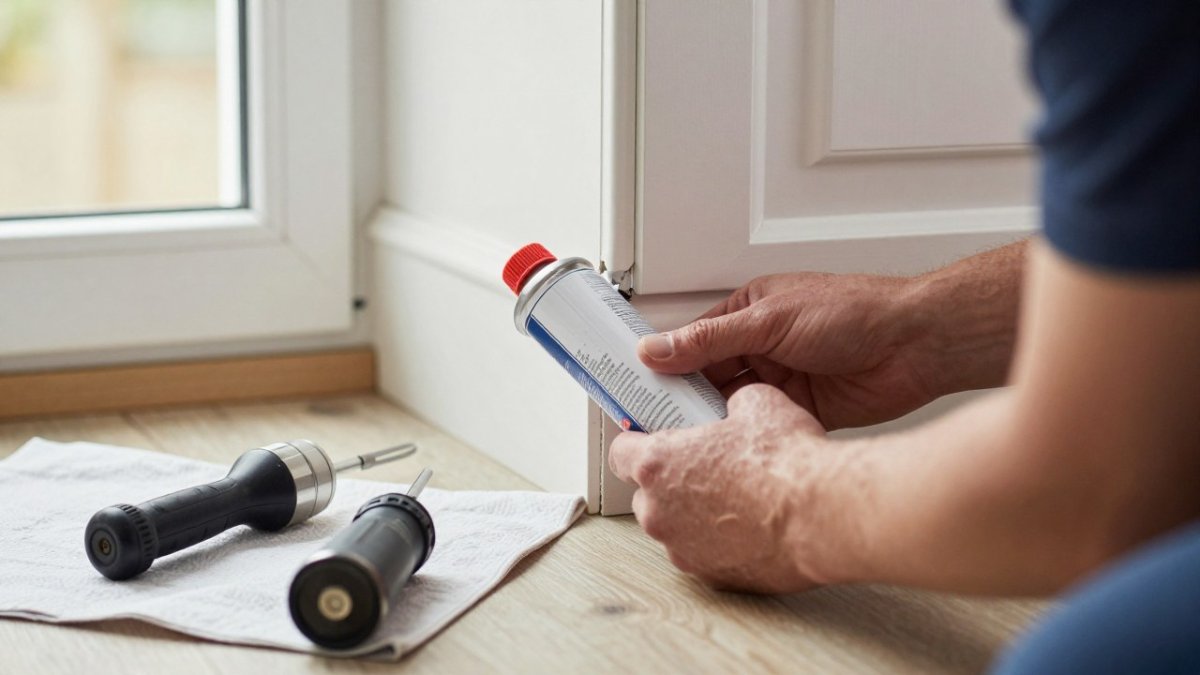
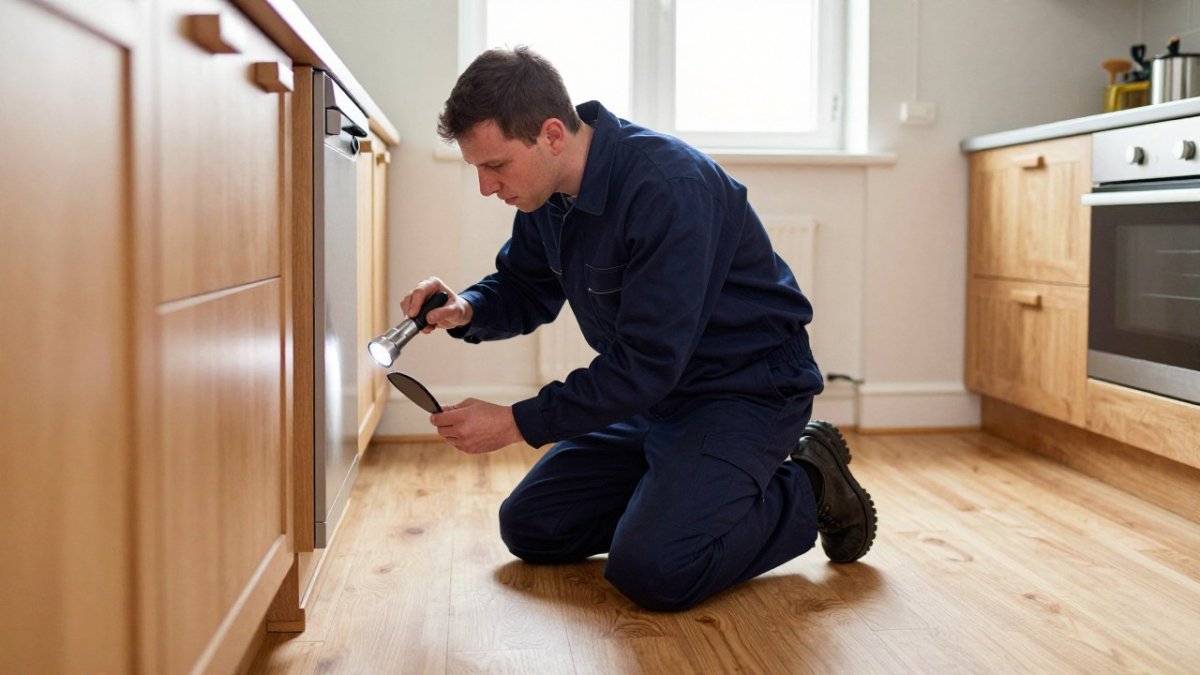
Work through the building methodically:
- Check gaps around pipes, cables and waste outlets
- Seal cracks in brickwork and mortar with appropriate filler
- Fit bristle strips to the base of doors
- Repair damaged air bricks and vents with mesh
- Clear debris from external walls and outbuildings
Rodents can pass through surprisingly small openings. Seal anything you can fit a pencil into. Outbuildings, garages and lofts deserve the same attention as the kitchen.
Spotting Reinfestation Versus Surviving Pests
Reinfestation is a fresh population entering the property after treatment, while surviving pests are individuals that were present during treatment and have not yet died. The two look similar but need different responses.
Use these signals to tell them apart:
| Signal | Surviving pests | Reinfestation |
|---|---|---|
| Timing | Within the first two weeks | Weeks or months later |
| Pattern | Decreasing activity | Activity returns or increases |
| Location | Treated areas | New entry points or rooms |
| Evidence | Fewer droppings over time | Fresh droppings, new runs |
Monitoring is how you decide. Number your traps, check them weekly, and write down counts. A falling count points to a treatment still working. A rising count after a quiet period points to a new source of infestation.
Our page on integrated pest prevention explains how ongoing prevention differs from one-off treatment, which helps you judge what you are seeing.
Pest Control Follow-Up Treatment: When to Book a Repeat Visit
Book a follow-up treatment when activity has not dropped after the advised period, when monitoring shows a rising count, or when you find fresh evidence in a new area. Many pest problems need a repeat visit rather than a single application.
Follow-up visits matter most for:
- Species with long breeding cycles, where eggs hatch after the first visit
- Properties with multiple harbourage sites across floors or outbuildings
- Shared buildings where pests move between units
- Seasonal pressure, when pests move indoors for warmth
Keep your monitoring notes. A technician can plan a far more targeted repeat visit when you can say where and when activity appeared.
For properties that need ongoing cover, our long term pest management solutions set out how scheduled visits work alongside your own prevention routine.
Aftercare Around Children, Pets and Shared Buildings
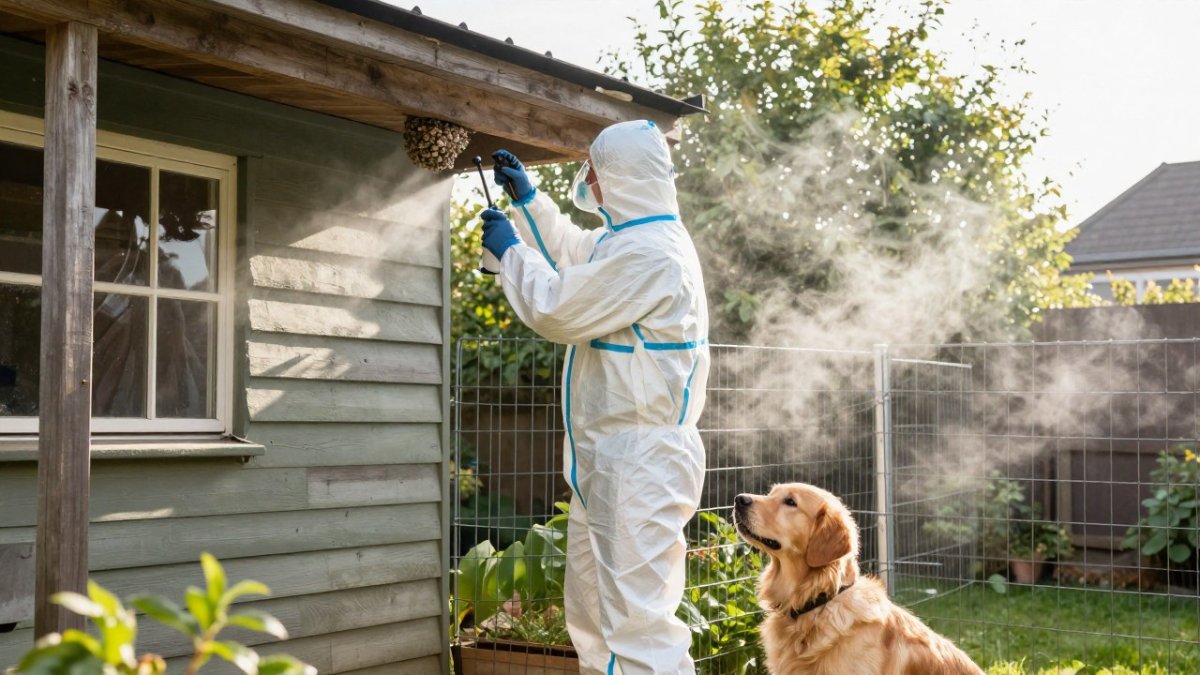
Safe aftercare means keeping children, pets and vulnerable people away from treated areas until surfaces are dry, and following the specific guidance given for the product used.
For households with children and pets:
- Keep pets out of treated rooms until dry, and move food bowls and water bowls before treatment rather than after
- Wash children's hands after time in treated rooms, and keep toys away from bait stations
- Ask the technician whether re-entry is safe the same evening or the following morning; sprays and heat treatments differ
- Pregnant occupants, people with respiratory conditions and anyone immunocompromised should stay out for the full re-entry period the label specifies
- Store any leftover product, bait or traps out of reach, and never decant them into unlabelled containers
- If a pet shows drooling, vomiting or lethargy after entering a treated room, ring the vet and quote the product name from the technician's paperwork
In flats and shared buildings, prevention needs cooperation because pests travel along shared voids, pipework, loft spaces and rubbish areas. Activity can clear in one flat and reappear a fortnight later, which often points to an untreated source.
Practical steps for shared buildings:
- Report sightings to the building manager or managing agent as well as booking your own visit, so neighbouring units can be checked
- Keep communal bins closed and avoid leaving waste bags beside bins, which gives rodents a reliable food source
- Do not block shared vents, air bricks or service risers; pests use them as routes between units
- Ask whether neighbouring properties have been inspected, because treating one flat in a terrace of six rarely resolves a rodent problem
- Agree a single contractor for communal areas where possible, so treatments are coordinated rather than duplicated
- Keep a written log of sightings by flat and date; it is the strongest evidence for a building-wide inspection
Watch out: sealing your own entry points while the neighbouring flat stays open simply redirects activity next door and back again, so proofing works best when it is done across a whole block or at least a whole terrace.
If you need extra reassurance, our guidance on safe pest control around children and pets covers the questions we hear most often.
Book Your Follow-Up Visit with ProPest Oxford Ltd
The challenge is rarely the first treatment. It is the weeks after, when patience runs out and old habits return. That is where a planned follow-up beats guesswork.
At ProPest Oxford Ltd, we identify the source of infestation rather than just the symptoms. Our technicians are RSPH Level 2 qualified, we are associated with the NPTA and registered with BASIS PROMPT, and we offer same-day or next-day appointments seven days a week.
Get started with ProPest Oxford Ltd and keep your property free from recurring infestations. Book a follow-up visit with our local team.
Preventing pest reinfestation after professional treatment comes down to three habits: follow your aftercare instructions, monitor with written records, and seal the building properly. If activity persists or returns, act early rather than waiting for a small problem to become a recurring infestation.
Frequently Asked Questions
Is it normal to see pests after professional treatment?
Yes, up to a point. A residual treatment kills pests that cross treated surfaces, but eggs already laid will still hatch, so newly hatched pests can appear for seven to fourteen days after the visit. Some insects also emerge from harbourage in wall voids or under floors after the spray has settled. Keep a note of where and when you see activity. If sightings are still happening past the two-week mark, or numbers are not falling, that is your signal to call the controller back rather than treat it yourself.
Can cleaning too soon reduce the effectiveness of pest control treatment?
It can. Many residual insecticides need time to dry and bond to the surface, and wiping skirting boards, cupboard edges or floor junctions too early removes the layer insects pick up. Follow the aftercare instructions your technician leaves, and where no specific time is given, keep vigorous cleaning away from treated surfaces for at least seven days. Light cleaning, such as washing up and wiping worktops away from treated areas, is fine. Vacuuming is different: it can pull up powder and disturb gel baits, so check before you start.
How do I stop pests from coming back after treatment?
Preventing pest reinfestation comes down to removing what attracted them and closing the routes in. Store food in sealed containers, clear crumbs and spills daily, keep rubbish bins lidded and emptied regularly, and fix leaking taps or pipes that provide moisture. Outside, seal cracks and gaps around pipework, air bricks and door frames with appropriate proofing materials. Regular inspections, especially in kitchens, lofts and outbuildings, catch new activity early. A scheduled maintenance visit from a qualified technician adds a second layer of protection.
Does a pest control treatment guarantee pests will not return?
No treatment can guarantee that, because pests can walk or be carried back in from outside. What a professional treatment does is break the current infestation and reduce the population to zero or near zero. Whether it stays that way depends on proofing, sanitation and monitoring afterwards. Ask your provider what their follow-up policy covers before booking, and keep your aftercare sheet to hand. If activity returns within the treatment window, a repeat visit is usually the quickest route back to a clear property.