 blog
How to Handle Wasp and Bee Nest Removal Safely
Last Updated: October 24, 2026
Quick Summary
Safe nest removal starts with identifying the species, because honeybees and bumblebees can often be relocated while wasps usually need treatment. Professional wasp nest removal typically takes 30 to 60 minutes on site, and activity usually stops within a few days.
- Watch a single entry point from several metres for ten minutes to confirm an active colony.
- Honeybee swarms should go to a volunteer swarm collector rather than a pest controller.
- Bumblebee nests are annual and die out by autumn on their own.
- Treatment is safer at dusk or dawn when most wasps are inside the nest.
- Technicians hold a minimum RSPH Level 2 qualification and work to NPTA and BASIS PROMPT standards.
Table of Contents
- How to Identify a Wasp or Bee Nest
- Wasp Nest Removal Cost: What You Are Paying For
- Bee Nest Removal and Relocation: When Saving the Colony Is Possible
- How Long Does Wasp Nest Removal Take?
- Removal Methods Compared: DIY Kits, Sprays and Professional Treatment
- Wasp and Bee Nest Removal for Landlords, Businesses and Large Estates
- Book a Same-Day Nest Inspection
- Frequently Asked Questions
How to Identify a Wasp or Bee Nest
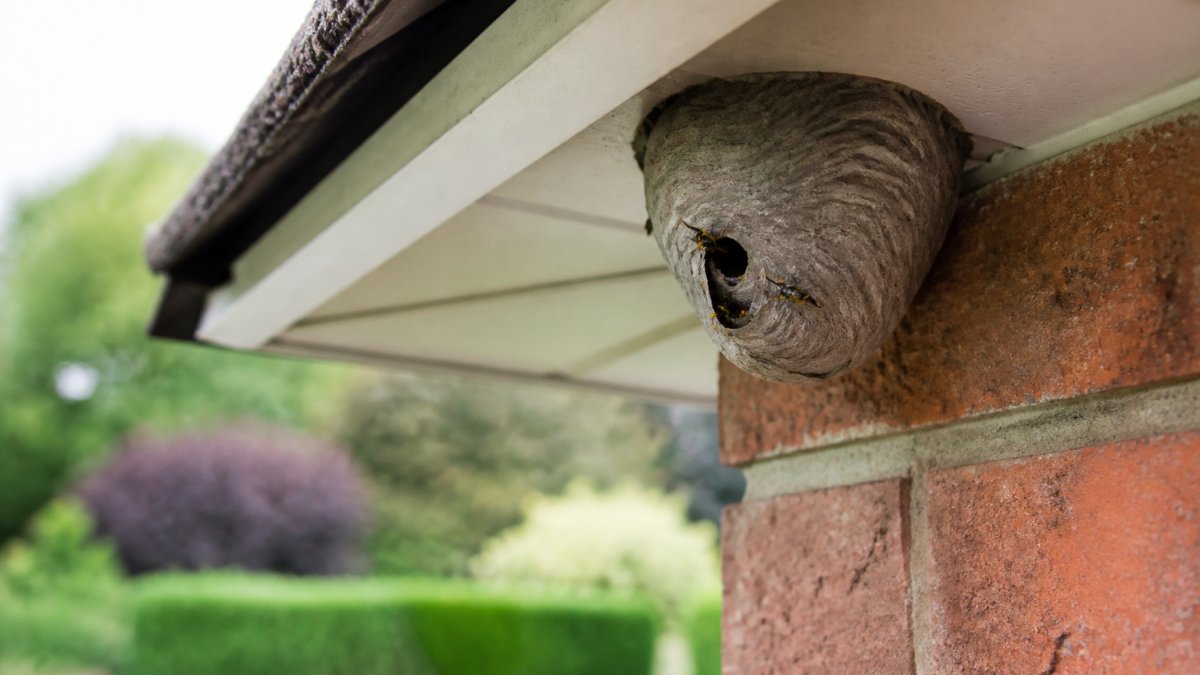
A wasp or bee nest is a built structure of chewed wood pulp, wax or soil that a colony uses to raise brood, and identifying it correctly is the first step in any safe wasp and bee nest removal. Getting the species right changes everything: the timing, the method, the cost and whether the nest can be saved rather than destroyed.
The most reliable sign is traffic. Watch from a safe distance of several metres for ten minutes and count what enters a single hole. A steady stream of insects moving in and out means an active colony. Occasional visitors drifting around a wall cavity usually mean something else entirely.
Telling Wasps, Honeybees and Bumblebees Apart
The distinction matters because honeybees are under real pressure and a live colony is worth relocating, not destroying. Wasps are smooth-bodied, bright yellow and black, and aggressive around food. Honeybees are smaller, hairy and amber-brown, and a honeybee swarm hanging from a branch is a temporary cluster, not a nest. Bumblebees are large, round and fuzzy, often nesting in a ground hole or under a shed.
The British Beekeepers Association guidance for the public is clear that honeybee swarms should go to a volunteer swarm collector rather than a pest controller. We would add one insider point most guides miss: a bumblebee nest is annual and dies out by autumn on its own, so a nest in a quiet border is often best left alone.
Where Nests Turn Up Around a Property
Common sites include roof eaves, loft voids, air bricks, wall cavities, garden sheds, garages, hedge bases and compost bins. Sheds deserve a special mention: they are warm, sheltered and rarely disturbed, which makes them a favourite. If that is your situation, our guide on how to remove a wasp nest from your garden shed covers the practical steps for that specific spot.
Wasp Nest Removal Cost: What You Are Paying For
Wasp nest removal cost varies with access, height, nest size and species, so no honest firm quotes a single flat figure before seeing the job. What you are actually paying for is a qualified technician, the right protective equipment, the correct treatment and a follow-up if activity continues. Cheap quotes usually skip one of those four.
A proper job includes a survey of the entry points, treatment of the nest itself, and advice on sealing the routes wasps use to return. You can see professional wasp nest removal cost East Sussex for local pricing before deciding whether to book.
Bee Nest Removal and Relocation: When Saving the Colony Is Possible
Bee nest removal and relocation is possible for honeybees and bumblebees in many cases, and it is always the preferred outcome where the colony can be moved safely. The deciding factors are species, location and accessibility. A swarm on a low branch is straightforward. A colony deep inside a wall cavity is a different proposition.
Honeybee colonies are protected in practice by the difficulty and cost of extraction, not by a blanket legal ban, so ask any contractor whether they relocate or destroy. Bumblebee nests are best left where they pose no risk. Solitary bees, which nest in mortar joints and bare soil, cause no structural damage and should be tolerated.
How Long Does Wasp Nest Removal Take?
Wasp nest removal typically takes 30 to 60 minutes on site for a standard accessible nest, with the treatment itself often finished in under 15 minutes. The rest of the visit is survey, preparation and safe access. Activity usually drops sharply within 24 hours and stops entirely within a few days as the returning foragers meet the treated nest.
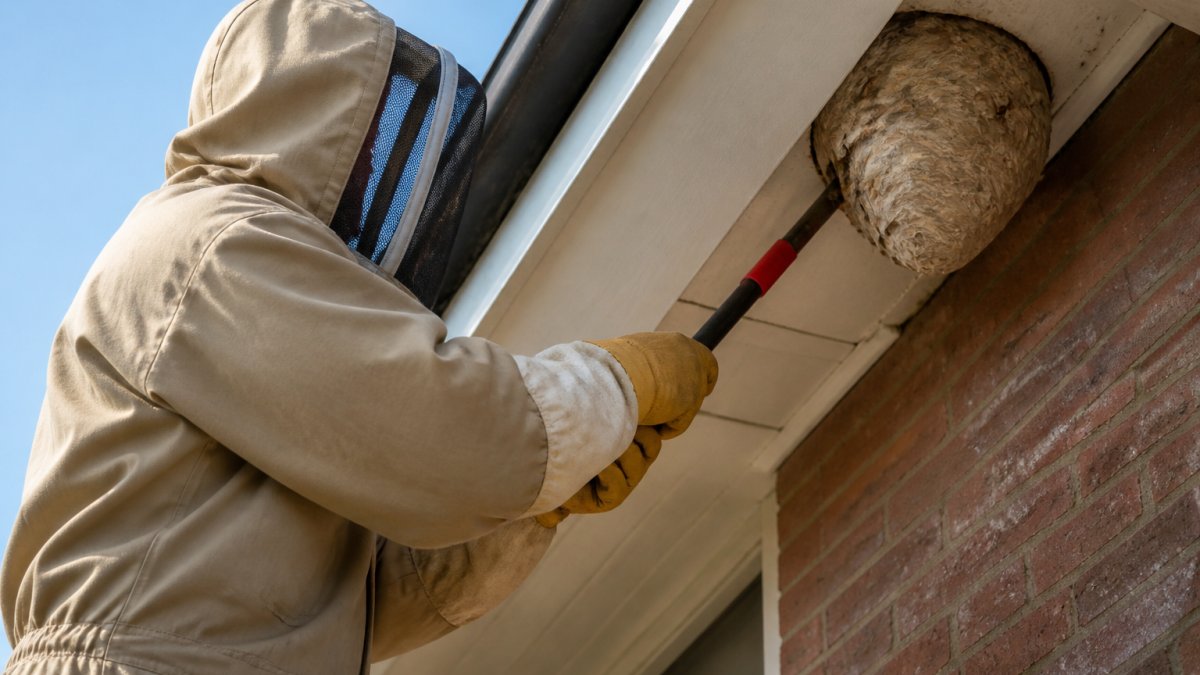
Height and access are the real variables. A nest at ground level in a shed is quick. A nest three storeys up under a gutter needs ladders or a pole system, and that is where time and cost rise.
Removal Methods Compared: DIY Kits, Sprays and Professional Treatment
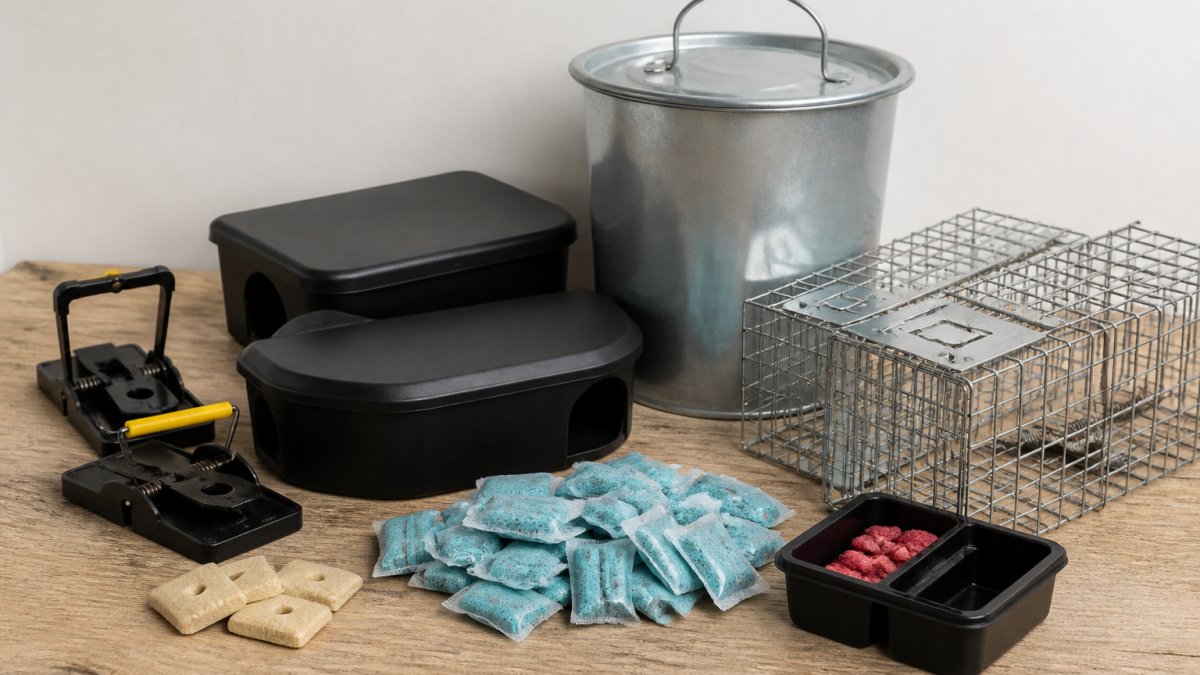
DIY kits and sprays work only on small, accessible nests and carry a genuine sting risk, while professional treatment is the safer route for anything high, large or in a cavity. The table below sets out the trade-offs honestly.
| Method | Best for | Main risk | Typical outcome |
|---|---|---|---|
| DIY spray | Small exposed nest, low level | Multiple stings, re-nesting | Nest dies, route stays open |
| Powder kit | Accessible nest in a shed | Poor coverage, disturbed colony | Variable, often repeated |
| Professional treatment | Cavities, height, large colonies | Low with correct PPE | Nest treated, entry points advised |
| Relocation | Honeybee swarm, bumblebee nest | Species misidentification | Colony preserved |
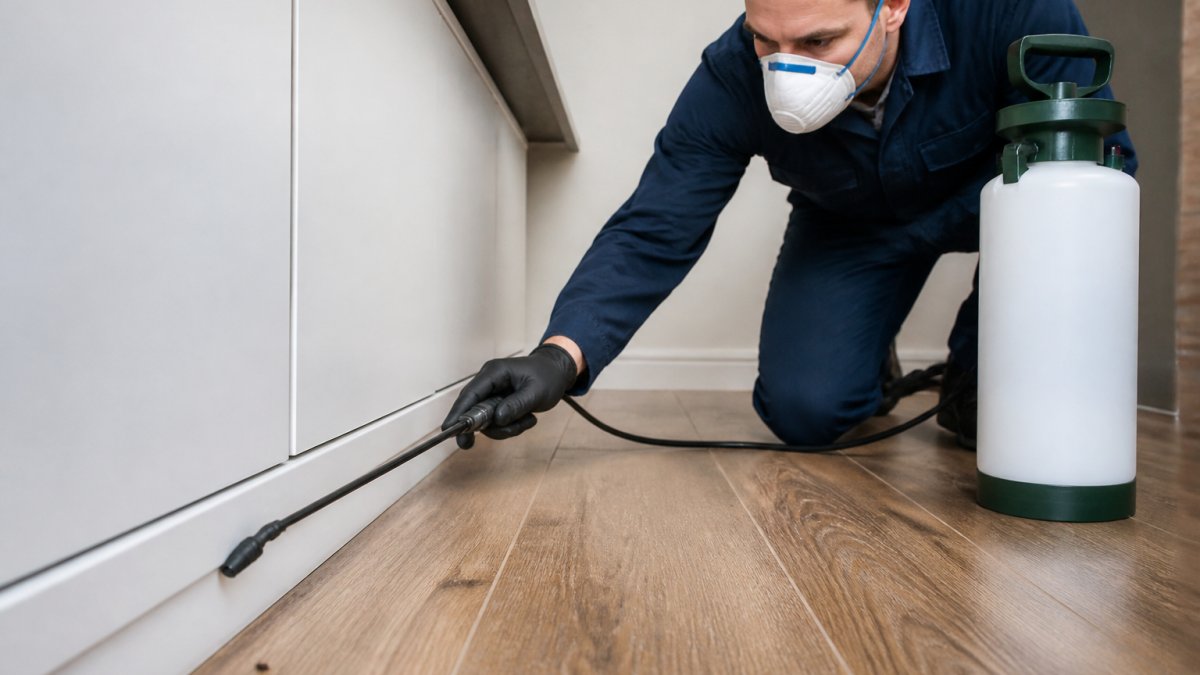
A common mistake is spraying a nest in a wall cavity during the day, when the colony is active and defensive. Treatment is safer at dusk or dawn when most wasps are inside. If children or pets share the garden, our page on safe pest control around children and pets explains how treatment is planned around them.
Wasp and Bee Nest Removal for Landlords, Businesses and Large Estates
Landlords, hospitality venues and estate managers face the same insects but a different set of pressures: tenants, customers, hygiene inspections and confidentiality. A nest above a café entrance or in a rental loft needs handling quickly and discreetly, with records kept for compliance. We treat these as scheduled work, not one-off callouts.
For landlords, the practical answer is a maintenance arrangement with planned visits so nests are caught early rather than at peak season. Our pest control service for landlords in Oxfordshire sets out how that works around tenancies. Estates with outbuildings and multiple roofs need a survey of the whole site, because treating one nest while three more sit in neighbouring roofs is wasted money.
Book a Same-Day Nest Inspection
Same-day nest inspections are available seven days a week, and our technicians hold a minimum RSPH Level 2 qualification and work to NPTA and BASIS PROMPT standards. If you have watched traffic at a single entry point and it is steady, do not wait for the colony to peak.
We identify the species first, then treat or relocate, then tell you how to close the routes back in. That is the difference between a nest gone this week and the same problem next summer. Book a same-day pest control inspection in Oxfordshire and get a qualified technician to your property quickly.
Frequently Asked Questions
How much does professional wasp nest removal cost?
Wasp nest removal cost depends on where the nest sits, how large the colony is and how easy it is to reach. A nest high in a roof or buried inside a wall cavity takes longer than one in a shed, and that affects the price. ProPest Oxford Ltd does not publish fixed rates because every job is assessed on site, so ask for a quote once the nest has been identified. Treat any quote as covering the inspection, treatment and a follow-up check.
Can a bee nest be relocated instead of destroyed?
Sometimes, yes. Honeybee colonies can be moved by a beekeeper or a specialist bee nest removal and relocation service if the nest is accessible, such as in a shed or a swarm hanging on a branch. Bumblebee nests are usually left alone where they are not in the way, because the colony dies off naturally by autumn. Nests deep inside a wall cavity or chimney are often too difficult to extract safely, and treatment becomes the practical option.
Is it safe to remove a wasp or bee nest yourself?
For most people, no. A single wasp can sting repeatedly, and disturbing a nest triggers a defensive response from the whole colony. Climbing ladders to reach a nest under eaves or in a loft adds a fall risk on top of the stings. Shop-bought sprays work only if you can aim directly into the entrance from a safe distance, and they rarely solve nests inside walls. Call a qualified technician when the nest is indoors, high up or large.
How long does wasp nest removal take?
The treatment itself is usually quick. A technician can treat an exposed nest in around 15 to 30 minutes, including setting up and checking the result. Nests in awkward spots, such as a wall cavity or a high roof, take longer because access is slower. Activity at the nest normally drops sharply within a few hours, and the nest should be left in place for a few days so returning wasps meet the treated surface.
A nest you can see from the ground is rarely the whole story, and guessing at the species wastes both time and money. ProPest Oxford Ltd offers same-day or next-day appointments, technicians qualified to RSPH Level 2, source-focused surveys that find why the colony chose your property, and service seven days a week. Get started with ProPest Oxford Ltd and have the nest identified, treated and closed off properly.