 ultimate-guide
Pest Control for High Profile Homes: A Guide
Table of Contents
- Why Pest Control for High Profile Homes Demands a Different Approach
- Professional Pest Inspection for High-Value Properties
- Discreet Pest Control Services That Protect Your Privacy
- Integrated Pest Management for Upscale Residences
- Pest Prevention Strategies for Large Estates
- Responding to Pest Problems Before They Escalate
- Guarantees and Long-Term Protection
- Frequently Asked Questions
Why Pest Control for High Profile Homes Demands a Different Approach
When you own a high-value property, pest control for high profile homes isn't just about eliminating an infestation. It's about protecting your reputation, maintaining privacy, and ensuring the problem is solved permanently without disruption to your lifestyle or business operations.
Standard pest control approaches simply don't work for properties at this level. A typical treatment might involve multiple visits from different technicians, chemical applications visible to neighbours or guests, and generic solutions that fail to address the root cause of the infestation. For someone in the public eye, or anyone whose property holds significant personal or financial value, this approach creates additional stress on top of the pest problem itself.
At ProPest Oxford Ltd, we understand that pest control for high profile homes requires a fundamentally different methodology. The focus shifts from quick fixes to comprehensive, discreet solutions that address the underlying conditions attracting pests in the first place. This means detailed inspections, targeted treatments, and prevention strategies tailored to the specific vulnerabilities of large, complex properties.
The stakes are higher. A pest problem in a high-profile residence can escalate quickly if not handled with precision and professionalism. Rodents can cause structural damage worth thousands of pounds (peer-reviewed research). Insects can multiply rapidly in large properties with multiple entry points. The longer an infestation persists, the more difficult and expensive it becomes to eradicate. Early detection and expert intervention are essential, which is why professional pest inspection for high-value properties should be your first step, not your last resort.
Professional Pest Inspection for High-Value Properties
A thorough inspection is the foundation of any effective pest control strategy for high profile homes. This isn't a cursory walk-through; it's a systematic examination of every potential vulnerability your property presents.
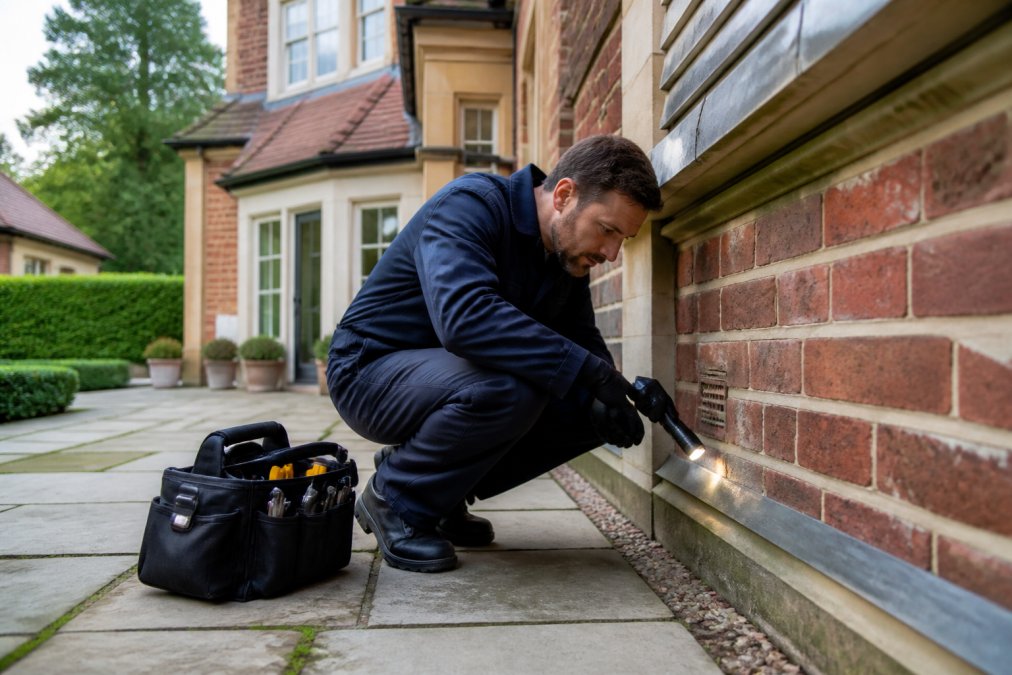
Professional pest inspection for high-value properties begins with understanding the property's layout, construction, age, and previous pest history. Large estates often have multiple buildings, garages, outbuildings, greenhouses, each presenting different risks. A qualified technician will examine:
- Exterior perimeter for cracks, gaps, and entry points
- Foundation and basement areas where rodents commonly nest
- Roof spaces, soffits, and fascia boards
- Drainage systems and external pipework
- Garden structures and boundary fencing
- Previous damage or repair work that may have created new vulnerabilities
What sets professional inspection apart from amateur attempts is the ability to identify not just where pests are, but why they're there. Pest activity is always a symptom of an underlying condition: a food source, water access, shelter, or entry route. A technician holding minimum RSPH Level 2 qualification understands pest behaviour well enough to spot these conditions before they become full infestations (rsph.org.uk).
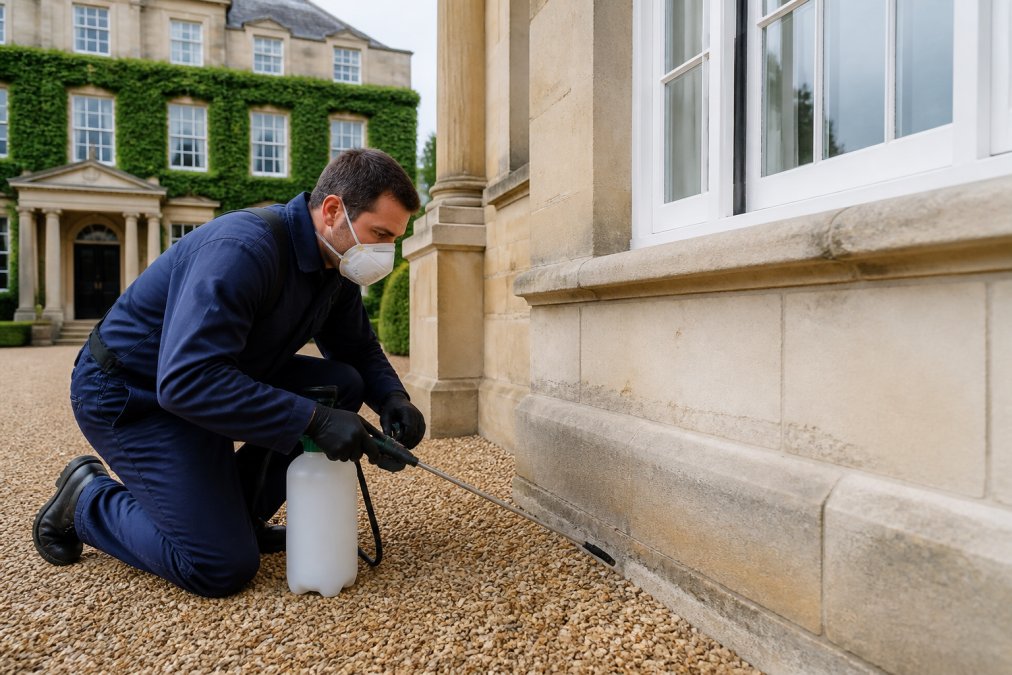
For high-profile properties, the inspection process itself must be discreet. ProPest Oxford Ltd conducts inspections in a way that doesn't alert neighbours, tenants, or guests to potential problems. Our technicians arrive in unmarked vehicles, work efficiently, and provide detailed written reports that remain confidential. This approach is particularly important for landlords managing multiple rental properties or business owners concerned about reputational damage.
The inspection report becomes your action plan. It identifies specific risks, recommends targeted treatments, and outlines prevention measures tailored to your property's unique characteristics. This level of detail ensures that any subsequent treatment addresses root causes rather than just visible symptoms.
Discreet Pest Control Services That Protect Your Privacy
Privacy isn't a luxury in pest control for high profile homes, it's a necessity. Whether you're a public figure, a business owner, or simply someone who values discretion, the way your pest problem is handled matters as much as the solution itself.
Discreet pest control services begin with professional communication. From your first contact, ProPest Oxford Ltd treats your situation with complete confidentiality. We don't discuss your pest problems with neighbours, share details on public platforms, or use your property as a case study without explicit permission. This confidentiality extends to all aspects of service: appointment scheduling, treatment methods, and follow-up care.
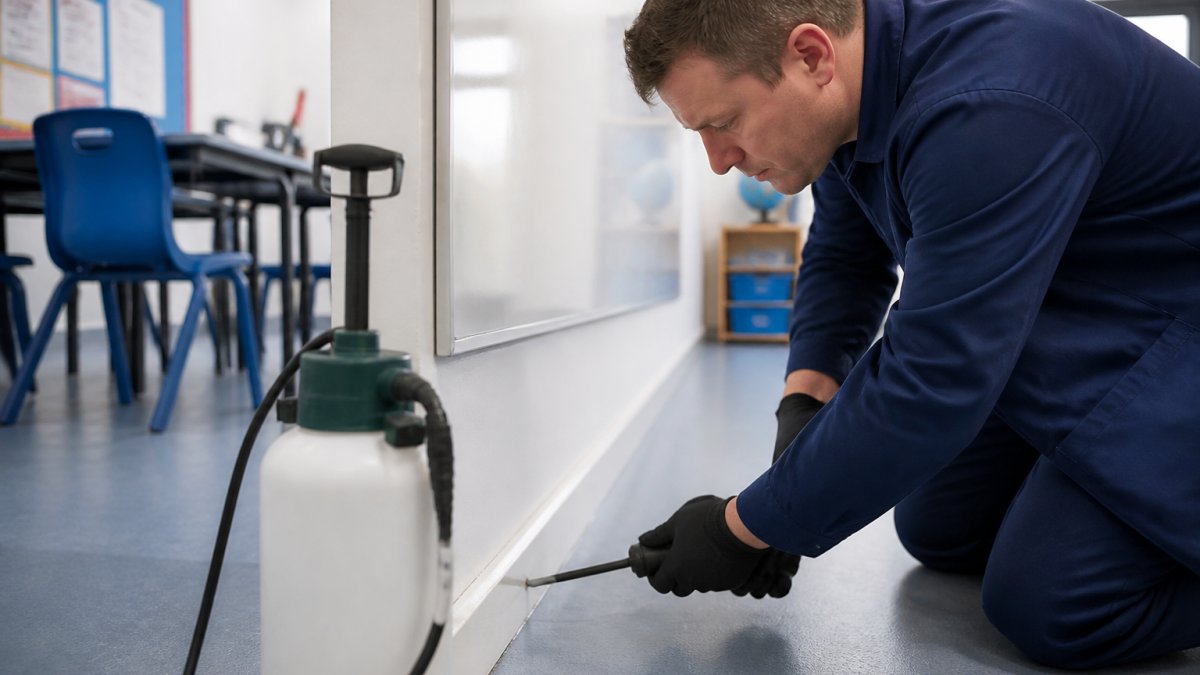
The physical execution of treatments must also remain invisible to the outside world. High-profile properties often attract attention, and visible pest control activity, multiple technician visits, external spraying, obvious baiting stations, can raise questions and concerns among neighbours, business associates, or media. Our approach minimises visual disruption through:
- Concentrated, efficient treatment schedules
- Internal application methods where possible
- Discreet placement of monitoring and prevention devices
- Unmarked vehicles and professional, understated uniforms
- Evening or early-morning appointments to avoid peak activity times
For hospitality and healthcare businesses, discreet pest control services are essential to maintaining customer confidence. A pest problem discovered by guests or patients can damage reputation far beyond the cost of treatment. Preventative services conducted quietly, with no visible evidence of pest activity, allow your business to maintain the hygiene standards and professional image your customers expect.
Landlords managing rental properties also benefit from discreet service. Tenants may become anxious if they see obvious pest control activity, even when the treatment is routine maintenance. Our approach keeps routine inspections and preventative treatments low-key, so tenants remain confident in their living environment without unnecessary concern.
Integrated Pest Management for Upscale Residences
Integrated Pest Management, or IPM, is the gold standard for pest control in high-value properties. Rather than relying on chemical treatments alone, IPM combines multiple strategies to prevent infestations and control existing problems with minimal environmental impact.
For upscale residences, IPM is particularly valuable because it addresses the root causes of pest problems rather than treating symptoms repeatedly. This approach reduces the need for ongoing chemical applications, which is important when families with children and pets live in the property, or when you simply prefer to minimise chemical use in your home.
An effective IPM programme for your property includes:
- Exclusion work: Sealing entry points, installing door sweeps, repairing damaged vents, and blocking gaps where pests can enter
- Environmental modification: Removing food sources, reducing moisture, eliminating clutter that provides harbourage, and improving drainage
- Monitoring: Regular inspections and strategically placed monitoring devices to detect pest activity before it becomes an infestation
- Targeted treatment: Using the least toxic effective method, often traps or baits rather than broad-spectrum sprays, when intervention is necessary
- Documentation: Maintaining detailed records of all activity, treatments, and results to track effectiveness over time
The beauty of IPM for upscale residences is that it's customised to your property's specific risks. A large estate with agricultural outbuildings faces different pest pressures than a suburban mansion. A property with a history of rodent problems requires different prevention strategies than one dealing with occasional insect intrusions. ProPest Oxford Ltd designs IPM programmes that match your property's actual vulnerabilities, not generic templates.
IPM also aligns with the values many high-profile homeowners hold. If you're concerned about environmental impact, chemical residue, or the wellbeing of wildlife on your estate, IPM minimises unnecessary pesticide use whilst still maintaining effective pest control. This responsible approach to pest management is increasingly important for properties with conservation areas, wildlife corridors, or organic gardens.
Pest Prevention Strategies for Large Estates
Large estates present unique challenges for pest prevention. The combination of extensive grounds, multiple buildings, diverse habitats, and complex infrastructure creates numerous opportunities for pests to establish themselves. Effective pest prevention strategies for large estates must be comprehensive, systematic, and sustained over time.
Prevention begins with understanding what attracts pests to your property. Rodents seek shelter, food, and water. Insects require similar resources, plus specific conditions like warmth or moisture. Your estate likely provides at least some of these attractions, which is why prevention strategies must actively remove them.
For the main residence and any occupied buildings, prevention focuses on exclusion and sanitation. Seal gaps around pipes and cables where they enter the building. Install door sweeps and weather stripping to eliminate gaps under doors. Keep food storage secure in sealed containers. Remove sources of standing water, which attract insects and provide drinking points for rodents. These measures sound straightforward, but in large properties with older construction, multiple entry points, and complex plumbing systems, they require professional expertise to implement effectively.
Outbuildings and storage areas demand equal attention. Garden sheds, garages, and agricultural buildings are common entry points for pests that may eventually move into the main residence. These spaces should be inspected regularly, kept clean and organised, and sealed against pest entry. Firewood, garden materials, and stored items should be kept away from building foundations and regularly checked for pest activity.
Grounds management also plays a crucial role in pest prevention. Overgrown vegetation near building perimeters provides cover for rodents and insects. Fallen fruit from trees attracts pests. Compost heaps and garden waste, if not properly managed, become pest breeding grounds. Maintaining clear sightlines around buildings, removing dead wood, and managing vegetation strategically reduces the habitat value of your grounds for pests.
For large estates, professional pest prevention strategies for large estates often include a scheduled monitoring programme. Regular inspections, monthly, quarterly, or seasonally depending on risk factors, allow early detection of pest activity before it becomes an infestation. Monitoring stations placed strategically around the property provide continuous surveillance without visible disruption to your grounds or guests' experience.
Responding to Pest Problems Before They Escalate
Early detection and rapid response are critical in pest control for high profile homes. A small problem caught quickly costs far less to solve than a full infestation allowed to develop. The challenge is knowing when you have a problem and acting decisively.
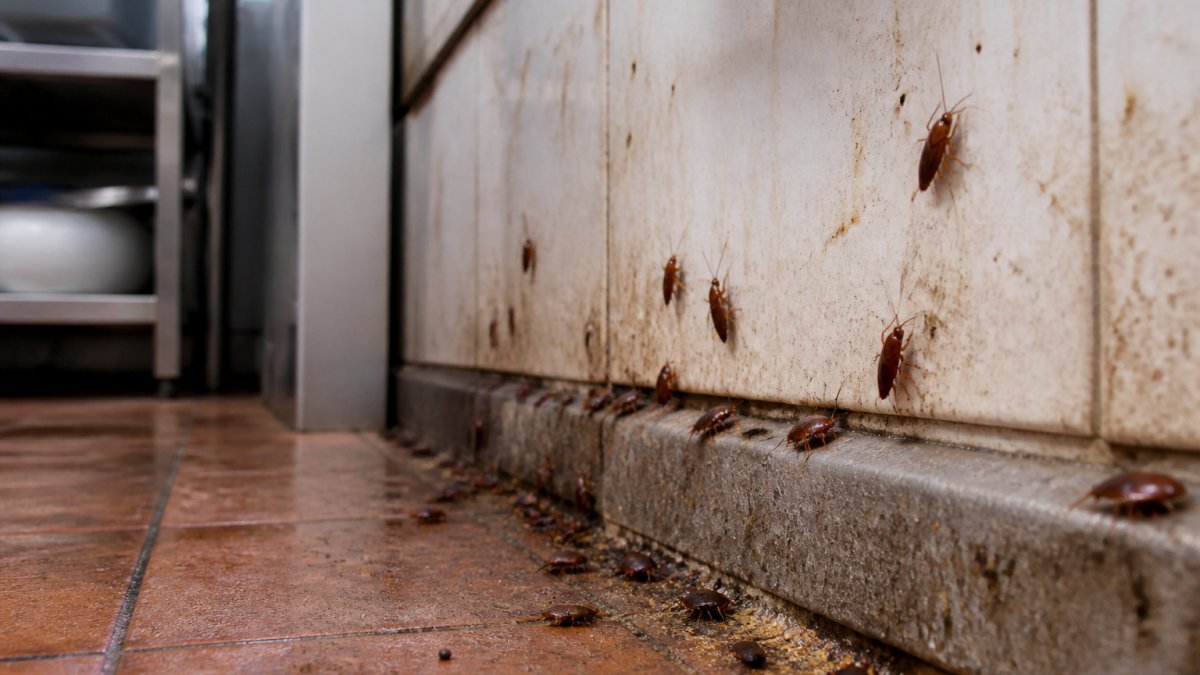
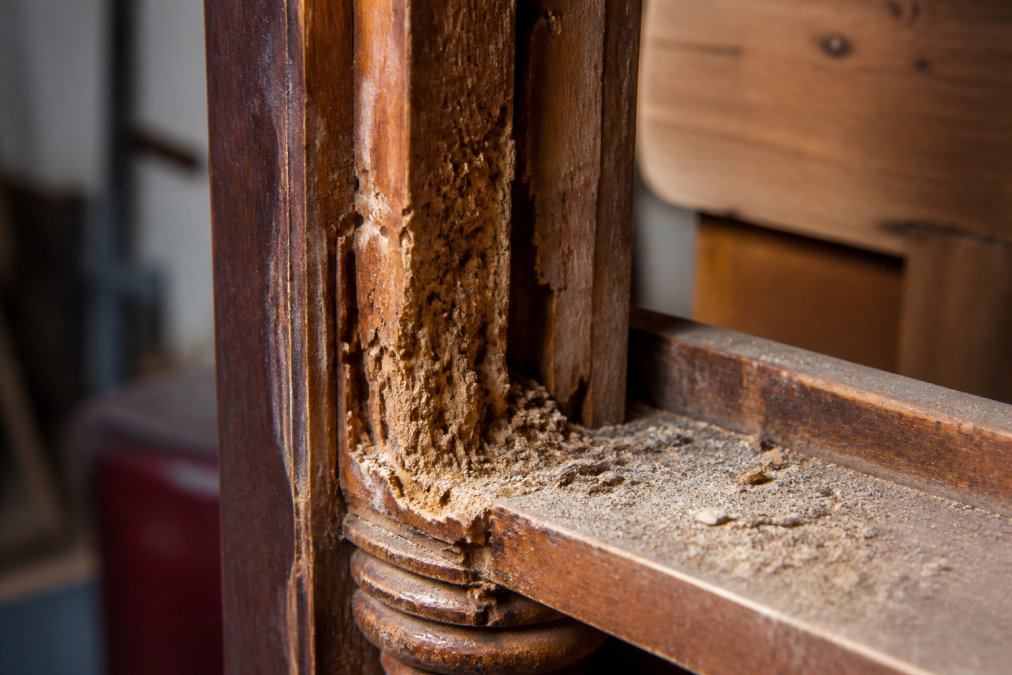
Common warning signs of pest activity include droppings in hidden areas, gnaw marks on structural timber or stored items, unusual odours, and evidence of nesting material. For rodents, you might notice small holes in food packaging or damage to insulation. For insects, you might see dead insects on windowsills or light fixtures, or damage to stored textiles. These signs warrant immediate professional inspection.
When you suspect a pest problem, contact ProPest Oxford Ltd immediately. Our same-day or next-day appointment availability means you don't have to wait weeks for assessment. The faster a professional can inspect and confirm the problem, the faster treatment can begin. Early intervention typically requires less extensive treatment and costs significantly less than allowing the infestation to develop.
Your response should include:
- Immediate inspection: Professional assessment to confirm the pest, extent of activity, and likely entry points
- Temporary containment: Steps to prevent further spread whilst awaiting treatment (sealing access to affected areas, removing food sources, isolating infested materials)
- Targeted treatment: Professional application of the most effective method for the specific pest and situation
- Verification: Follow-up inspections to confirm the treatment worked and the problem is resolved
- Prevention: Implementation of measures to prevent recurrence
The difference between a quick, affordable resolution and an expensive, drawn-out infestation often comes down to how quickly you act. A rodent problem discovered in week two can usually be resolved in a single treatment visit. The same problem left for two months may require multiple visits, extensive exclusion work, and treatment of multiple areas where the infestation has spread.
Guarantees and Long-Term Protection
For pest control for high profile homes, a guarantee isn't just a marketing promise, it's proof that the service provider stands behind their work and understands the importance of permanent solutions.
A meaningful guarantee covers two critical elements: the effectiveness of the initial treatment and the prevention of recurrence within a defined period. When you invest in professional pest control, you're paying for expertise and accountability, not just chemicals or traps. A provider willing to guarantee their work demonstrates confidence in their methods and commitment to your satisfaction.
ProPest Oxford Ltd's approach to guarantees reflects our understanding of pest control as a long-term commitment, not a one-off transaction. Our technicians, holding minimum RSPH Level 2 qualification, are trained to identify and address root causes (rsph.org.uk). This expertise forms the foundation of effective, lasting solutions.
Long-term protection for high-value properties typically involves a combination of strategies:
- Initial comprehensive treatment: Addressing all active infestations and identified vulnerabilities
- Exclusion improvements: Sealing entry points and strengthening barriers against future pest entry
- Environmental modifications: Removing conditions that attract pests (food sources, water, shelter, harbourage)
- Ongoing monitoring: Regular inspections to detect any returning activity before it becomes a problem
- Preventative maintenance: Scheduled treatments or monitoring visits to maintain protection over time
For landlords managing multiple properties, long-term protection plans can be customised to suit your portfolio. Regular maintenance visits ensure consistent standards across all your properties without requiring individual coordination for each one. For business owners, ongoing protection maintains the hygiene standards essential to your operations and reputation.
The investment in comprehensive pest control for high profile homes is far smaller than the cost of reputation damage, property damage, or business disruption caused by an uncontrolled infestation. A property protected by professional pest management maintains its value, safety, and appeal. For high-profile individuals, this peace of mind is invaluable.
Pest problems in high-value properties demand solutions that match the complexity and stakes involved. Standard pest control approaches fail because they ignore the unique vulnerabilities of large, complex properties and the privacy concerns of their owners. ProPest Oxford Ltd specialises in professional pest control for high profile homes, combining expert inspections, discreet treatments, and integrated prevention strategies tailored to your property's specific needs. Our RSPH Level 2 qualified technicians, NPTA membership, and BASIS PROMPT registration ensure you're working with certified professionals. Book a service today and protect your property with the expertise it deserves.
Frequently Asked Questions
How quickly can you respond to a pest problem at a high profile home?
Same-day or next-day appointments are available to minimise disruption at high-value properties. Rapid response prevents infestations from spreading and reduces the risk of damage or reputational harm, particularly for businesses. ProPest Oxford Ltd operates seven days a week to accommodate urgent situations and the schedules of busy property owners and managers.
What makes professional pest control for high profile homes different from standard treatments?
High-profile properties require specialist approaches that combine discretion with advanced detection methods. Professional technicians identify infestation sources rather than treating symptoms alone, develop custom prevention plans tailored to the property's layout and use, and maintain strict confidentiality. RSPH Level 2 qualified specialists ensure treatments are safe for families, pets, and valuable interiors whilst remaining effective.
How do discreet pest control services protect my privacy and reputation?
Discreet pest control services use unmarked vehicles, schedule visits at convenient times, and employ trained technicians who understand the sensitivity of high-profile situations. Professional pest control firms work quietly and efficiently, avoiding unnecessary attention from neighbours or media. Confidentiality and professional conduct are standard practice for properties where reputation protection matters.
What guarantee comes with professional pest control treatment?
Reputable pest control providers offer guarantees that cover re-treatment if problems recur within a specified period, typically following the initial service. The guarantee depends on the infestation type and the prevention measures you implement. Always confirm the terms of any guarantee before booking, and ask whether follow-up inspections are included to monitor for signs of re-infestation.