 ultimate-guide
Pest Control for Landlords Oxfordshire: 2026 Guide
Table of Contents
- What Pest Control for Landlords Oxfordshire Actually Involves
- Landlord Responsibilities for Pests UK: Who Pays and When
- Writing a Tenancy Agreement Pest Control Clause That Holds Up
- Pest Control Certification for Rental Properties: What to Check
- Common Pests in Oxfordshire Rental Properties and How to Spot Them
- Prevention and Compliance: A Practical Schedule for Landlords
- Conclusion
- Frequently Asked Questions
Last Updated: September 17, 2026
What Pest Control for Landlords Oxfordshire Actually Involves
Pest control for landlords Oxfordshire is the combination of legal duties, tenancy paperwork and practical prevention that keeps a rental property free of rats, mice, wasps, cockroaches and bed bugs. Landlords often react to an infestation instead of building a system that stops one.
That distinction matters more than most landlords realise.
An infestation is rarely a one-off event. Rodents follow food, warmth and gaps in the building fabric. Once you understand what a tenancy actually obliges you to do, the rest of the job becomes a schedule rather than an emergency.
Below, we break down who pays, what belongs in the contract, and how to spot a problem before a tenant does.
Landlord Responsibilities for Pests UK: Who Pays and When
Landlord responsibilities for pests UK law frames around one question: was the problem caused by the property, or by how the tenant lives in it?
If a repair issue lets pests in, the landlord pays. If the tenant's habits created the conditions, the tenant pays. Most disputes sit in the grey area between the two, which is why documentation matters.
The Housing Health and Safety Rating System (HHSRS)
HHSRS is the risk-based assessment framework local authorities use to judge whether a property is safe to live in. Pests fall under it because infestations can create hazards to health.
If a council inspection finds a serious hazard, it can serve an improvement notice on the landlord. Ignoring it risks enforcement action and, in the worst cases, rent repayment orders. The official HHSRS guidance for landlords sets out how hazards are scored and what councils can require.
Homes (Fitness for Human Habitation) Act 2018
The Homes (Fitness for Human Habitation) Act 2018 implies a term into most tenancy agreements that the property must be fit to live in at the start of the tenancy and stay that way (Homes (Fitness for Human Habitation) Act 2018). A significant infestation can breach that standard.
The practical consequence is simple. Tenants can now take action directly against a landlord without waiting for the council. Keeping records of inspections and treatments is your defence.
Writing a Tenancy Agreement Pest Control Clause That Holds Up
A tenancy agreement pest control clause works best when it splits responsibility by cause rather than by pest type. Vague clauses get argued over; specific ones get followed.
Here is a clause structure that holds up in practice:
- Landlord: responsible for structural defects, entry points, drainage, and any infestation present at the start of the tenancy
- Tenant: responsible for reporting signs promptly, keeping food stored, waste removed and the property reasonably clean
- Both: agree that treatment costs follow the cause, with a professional inspection report as the deciding evidence
- Timescale: tenant must report suspected activity within a set number of days
Pest Control Certification for Rental Properties: What to Check
Pest control certification for rental properties comes down to the technician, not the company logo. Ask for the qualification before anyone arrives.
Look for these markers:
- RSPH Level 2 in pest management, the recognised industry qualification (RSPH Level 2 Award in Pest Management)
- Membership of a trade association such as the NPTA
- BASIS PROMPT registration for anyone handling rodenticides
- Valid public liability insurance
| Check | What It Proves | Why It Matters |
|---|---|---|
| RSPH Level 2 | Trained, assessed competence | Confirms the technician is qualified, not just employed |
| NPTA membership | Industry accountability | Gives you a route to escalate poor work |
| BASIS PROMPT | Rodenticide competence | Required for lawful, safe baiting |
| Insurance | Financial protection | Covers damage or accidental harm |
ProPest Oxford Ltd technicians hold a minimum RSPH Level 2 qualification, and the business is NPTA associated and BASIS PROMPT registered. For landlords, that paperwork is the difference between a treated problem and a documented one.
Common Pests in Oxfordshire Rental Properties and How to Spot Them
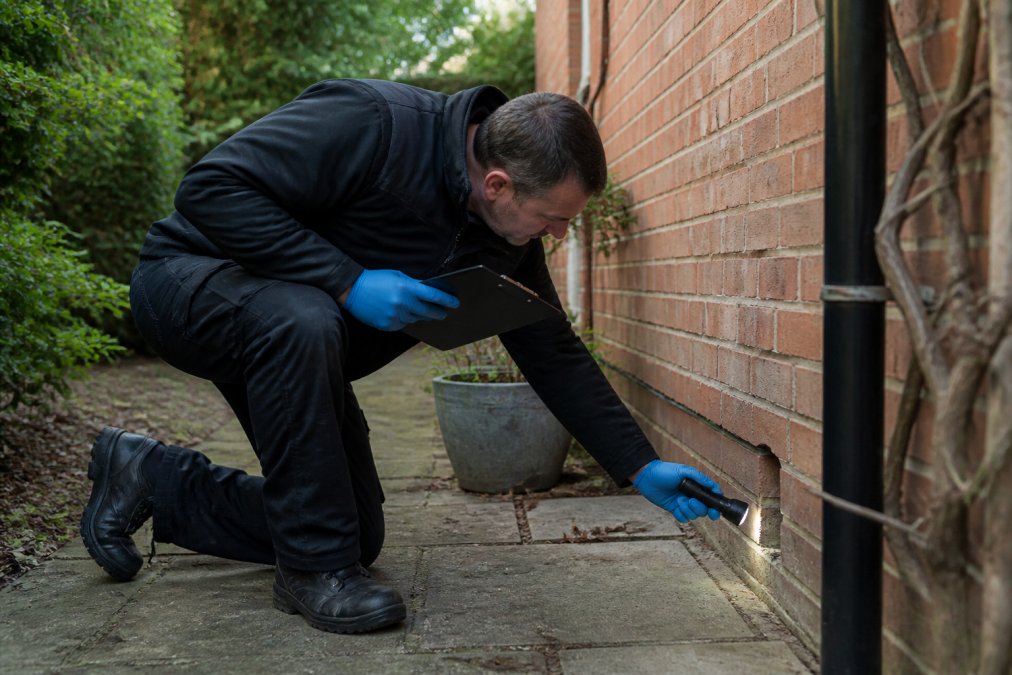
Rats and Mice
Rats and mice announce themselves through evidence rather than sightings. Droppings along skirting boards, grease marks on pipes, gnawed packaging and a musky smell in voids are the usual first signs.
Entry points are often at ground level or below. A common mistake is treating the symptom in the kitchen while the actual route in, a broken drain or a gap behind a soil pipe, stays open.
Wasps, Cockroaches and Bed Bugs
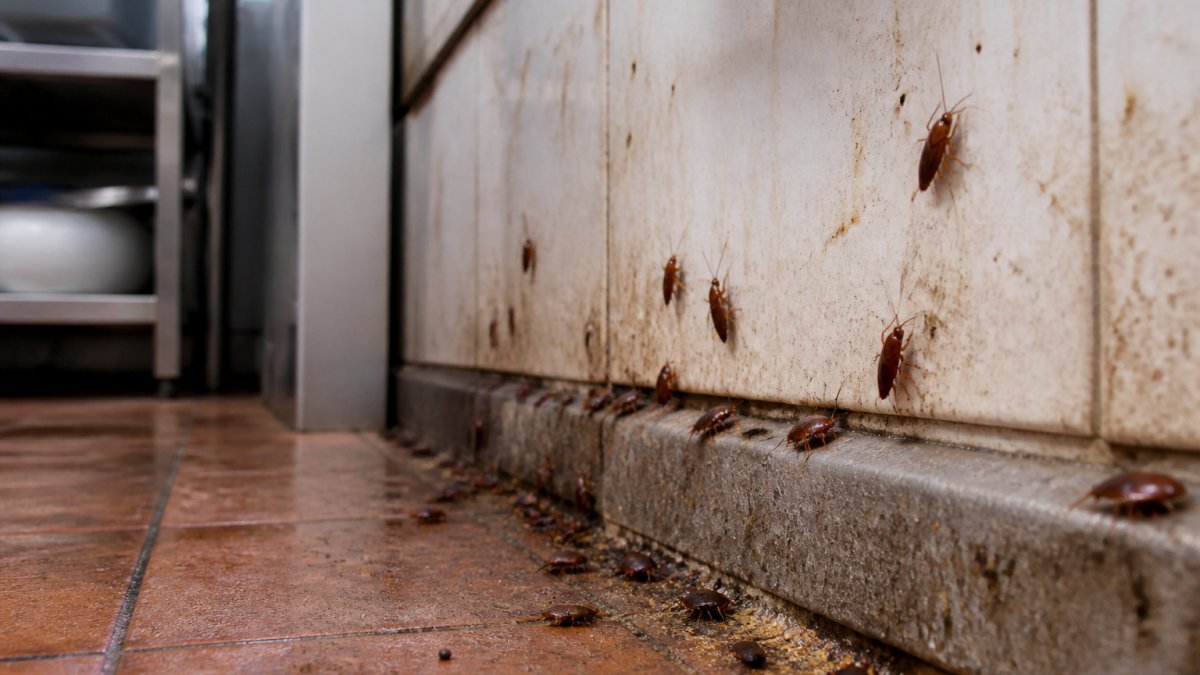
Wasps nest in lofts, eaves and wall cavities, and a late-summer nest can grow quickly. Cockroaches favour warm, damp areas near appliances and pipework. Bed bugs travel with people and hide in seams, headboards and skirting edges.
Bed bugs are the one to take seriously from a compliance angle. They spread between flats, and a delayed response usually means a larger treatment.
Prevention and Compliance: A Practical Schedule for Landlords
Prevention is cheaper than treatment, and it produces the paper trail that protects you if a dispute ever reaches the council.
Many landlords find that a simple seasonal routine catches problems early:
- Quarterly: walk the exterior, check air bricks, vents and drain covers
- Twice yearly: inspect loft voids and under-sink areas during inspections
- Annually: book a professional survey, especially on older or period properties
- On every changeover: inspect before new tenants move in and record the result
For portfolio landlords, a scheduled maintenance visit is far less disruptive than an emergency call-out, and it keeps tenants cooperative because they know what to expect.
Conclusion
The gap between a compliant rental property and a costly one usually comes down to whether prevention was scheduled or ignored. ProPest Oxford Ltd offers scheduled inspections, source identification, and documented visits that stand up if a dispute arises. With same-day or next-day appointments, seven-day availability and RSPH Level 2 qualified technicians, the process stays discreet and tenant-friendly. Get started with ProPest Oxford Ltd and keep your properties free from the persistent threat of pests.
Frequently Asked Questions
Are landlords responsible for pest control in rental properties?
It depends on the cause. Under the Homes (Fitness for Human Habitation) Act 2018 and the Housing Health and Safety Rating System (HHSRS), landlords must keep properties free from serious hazards, which can include infestations linked to disrepair. If pests result from a structural issue, such as a broken drain or gap in the brickwork, the landlord is responsible. If a tenant's lifestyle caused the problem, such as leaving food waste out, the tenant usually covers treatment. A clear tenancy agreement pest control clause removes most disputes.
What should be included in a tenancy agreement regarding pest control?
A strong tenancy agreement pest control clause should state who arranges treatment, who pays, and how quickly problems must be reported. It should also set out tenant housekeeping expectations, such as storing food in sealed containers, disposing of waste promptly, and reporting any signs of pests within 48 hours. The clause should distinguish between infestations caused by property defects and those caused by tenant behaviour. Vague wording like 'tenant must keep the property pest-free' is difficult to enforce and often leads to disputes at deposit stage.
What pest control certification for rental properties should I look for?
Check that the technician holds a minimum RSPH Level 2 qualification in pest management. Membership of a recognised trade body, such as the National Pest Technicians Association (NPTA), and registration with BASIS PROMPT show ongoing training and accountability. Ask for proof of public liability insurance and a written treatment report after every visit. For rental properties, a provider that identifies the source of the infestation rather than just spraying visible pests will reduce the risk of repeat problems and tenant complaints.
How often should rental properties be inspected for pests?
A routine inspection every six to twelve months works well for most rental properties. Properties with older brickwork, cellars, or a history of rodent activity benefit from a check every six months, ideally before winter when rats and mice move indoors. Letting agents often schedule inspections alongside gas safety checks or mid-term visits. Between inspections, ask tenants to report droppings, gnaw marks, or scratching sounds immediately, as early treatment is cheaper and less disruptive than dealing with an established infestation.