 ultimate-guide
Pest Control Health Inspection Checklist for Cafes
Table of Contents
- Why Pest Control Health Inspection Readiness Matters for Cafes
- Common Pests in Cafes and the Risks They Pose
- Food Hygiene Rating Scheme Pest Control Requirements
- HACCP Pest Control Documentation for Cafes
- How to Prepare for an Environmental Health Officer Inspection
- The Pest Control Health Inspection Checklist for Cafes
- When to Bring in Professional Pest Control for Your Cafe
- Frequently Asked Questions
Last Updated: September 16, 2026
Why Pest Control Health Inspection Readiness Matters for Cafes
A failed food hygiene inspection is rarely about dirty floors. It is usually about pests, and the paperwork that should have caught them first. This guide from ProPest Oxford Ltd breaks down the pest control health inspection checklist cafes need to stay compliant, pass their next Environmental Health Officer visit, and protect their reputation.
Pests are one of the most common causes of low food hygiene ratings in food businesses. A single sighting of rodent droppings during an inspection can trigger immediate action, from a re-rating to a temporary closure. The stakes are high, and the margin for error is thin.
Below, we'll show you exactly what inspectors look for, how to document your pest control under HACCP, and the daily, weekly, and monthly checks that keep your kitchen compliant.
Common Pests in Cafes and the Risks They Pose
The pests that cause the most trouble in cafes are rodents, cockroaches, ants, flies, and stored-product insects. Each brings a different risk profile, and each demands a different response.
Rodents: Mice and Rats
Mice and rats contaminate food, gnaw through packaging and wiring, and leave droppings and urine that spread pathogens including Salmonella and Leptospira. They enter through gaps as small as a pencil width, which is why door seals and pipework are a constant battleground. Rodent activity is also one of the fastest ways to lose a hygiene rating, because inspectors treat it as an immediate food safety risk.
Cockroaches and Ants
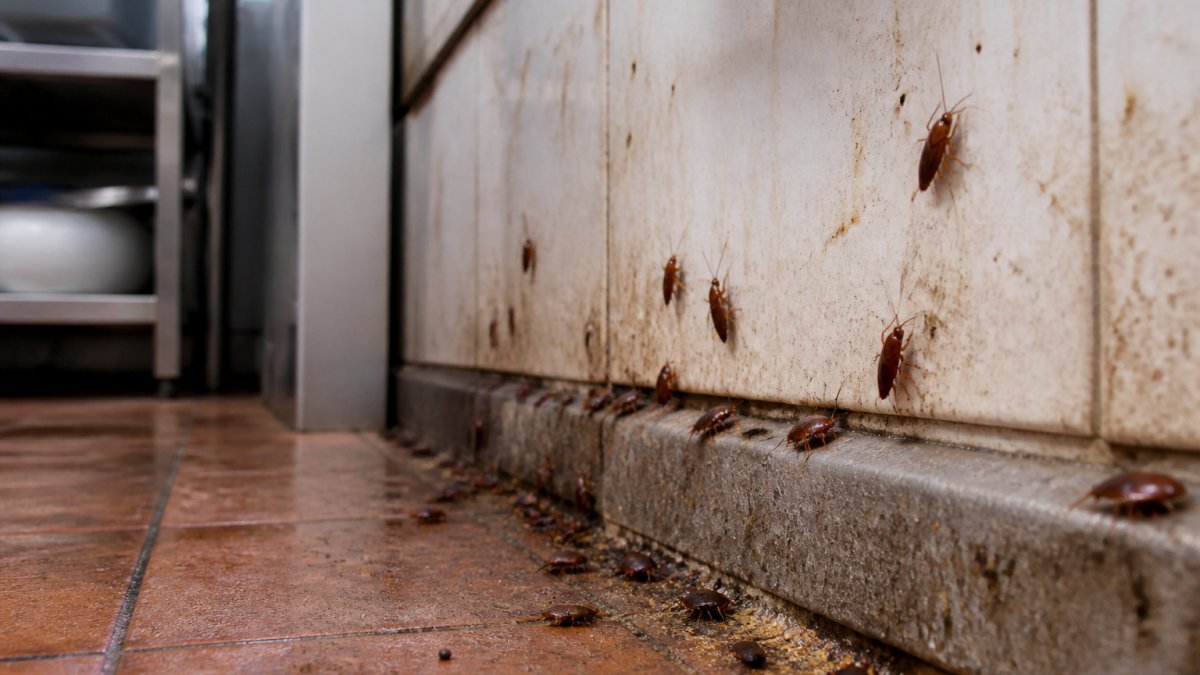
Cockroaches thrive in warm, damp spaces behind fridges, under sinks, and inside wall voids. They carry bacteria on their bodies and contaminate any surface they cross. Ants are less of a disease risk but a strong indicator of poor waste management and unsealed entry points. Both signal to an inspector that your cleaning and proofing routines have gaps.
Flies and Stored-Product Insects
Flies land on waste, then on food, transferring bacteria with every stop. Stored-product insects such as weevils, flour beetles, and moths infest dry goods like flour, rice, and cereals. An infested sack in your dry store is both a contamination risk and a visible red flag during inspection.
Food Hygiene Rating Scheme Pest Control Requirements
The Food Hygiene Rating Scheme is a Food Standards Agency programme that scores food businesses on hygiene, structure, and management confidence. Pest control sits across all three.
Under the scheme, a business must be able to demonstrate that it manages pests proactively, not just reacts when they appear. Inspectors look for evidence of monitoring, proofing, and corrective action. A well-documented pest control system supports a higher rating; visible pest activity or no evidence of a system will drag it down. You can read the official scoring criteria via the Food Standards Agency food hygiene rating guidance.
HACCP Pest Control Documentation for Cafes
HACCP pest control documentation for cafes is the written record that proves you identify pest hazards, control them, and monitor the results. It is the backbone of your inspection defence.
Your documentation should be live, updated as things change, and specific to your premises. At minimum, it should include:
- A pest control policy naming who is responsible
- A site plan marking monitoring points and bait stations
- A pest sighting log with dates, locations, and actions taken
- Records of contractor visits and any treatments carried out
- Proofing and maintenance records for doors, drains, and pipework
How to Prepare for an Environmental Health Officer Inspection
Preparing for an Environmental Health Officer inspection means proving three things: you understand your pest risks, you control them, and you can show the evidence.
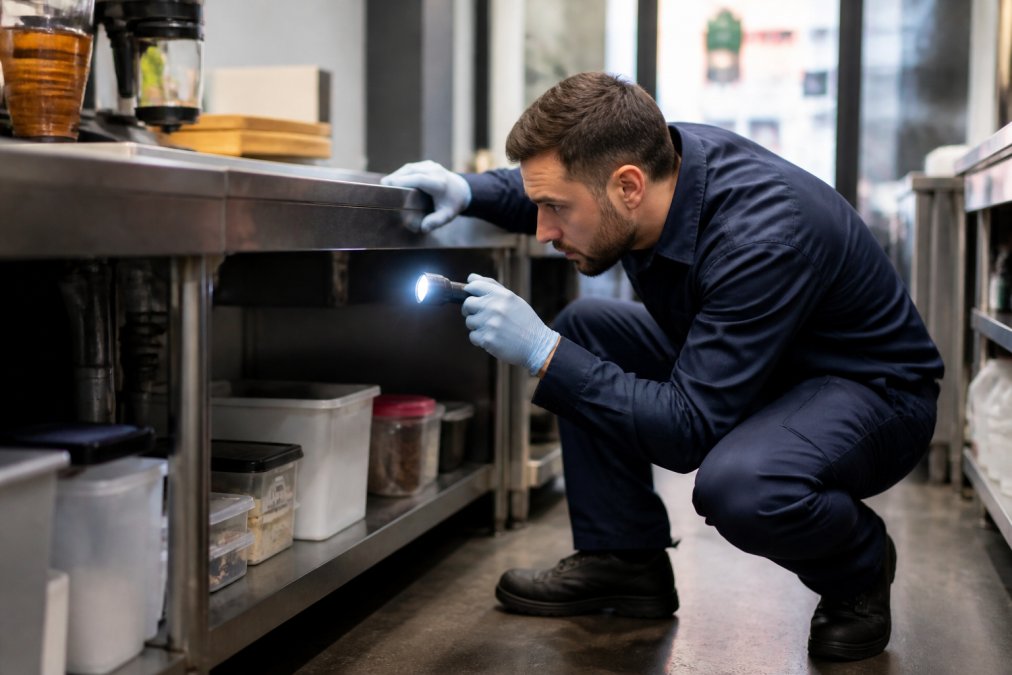
Start with a walkthrough of your premises as if you were the inspector. Check the areas that get neglected: behind and under equipment, inside wall voids, the dry store, and the waste area. Then make sure your paperwork matches what you actually do. If your log says traps are checked weekly, they need to be checked weekly.
The inspector will want to see your pest control records, so keep them together and current. They may also ask staff questions, so make sure everyone knows who to report a sighting to and where the log is kept.

The Pest Control Health Inspection Checklist for Cafes
The pest control health inspection checklist for cafes below covers the checks that keep you compliant between inspections. Work through it daily, weekly, and monthly, and keep a record of every entry.
| Check | Frequency | What to look for |
|---|---|---|
| Droppings and gnaw marks | Daily | Along skirting, behind units, in dry store |
| Waste bins sealed and emptied | Daily | Overflow, damaged lids, food residue |
| Fly screens and door seals | Weekly | Gaps, tears, propped-open doors |
| Monitoring points and traps | Weekly | Activity, damage, correct placement |
| Dry goods inspection | Weekly | Weevils, moths, clumped or damp stock |
| Proofing and drainage review | Monthly | Cracks, gaps, drain covers, pipework |
| Contractor visit and report | Quarterly | Treatment records, recommendations |
Daily and Weekly Checks
Daily checks are about spotting problems early, before they become infestations. Look for fresh droppings, gnaw marks, and live insects. Empty and seal waste bins, and clean up spills immediately. Weekly, inspect your monitoring points, check door seals and fly screens, and review dry goods for signs of stored-product insects. Log everything, even when nothing is found. A clean log is still evidence.
Monthly and Quarterly Actions
Monthly, walk the perimeter and interior for proofing gaps: cracks, unsealed pipework, damaged drain covers. Quarterly, have a professional contractor carry out a full inspection and treatment, and file their report alongside your own records. This is exactly the kind of documentation an inspector expects to see.
When to Bring in Professional Pest Control for Your Cafe
Bring in professional pest control when you find evidence of an active infestation, when your monitoring points show repeated activity, or when you simply lack the time and expertise to maintain a compliant system yourself.
A professional service identifies the entry points and root cause, not just the visible pest. For cafes, that means discreet, scheduled visits that fit around service hours and don't alarm customers or staff. ProPest Oxford Ltd specialises in exactly this kind of work, with same-day or next-day appointments, technicians holding a minimum RSPH Level 2 qualification, and services available seven days a week. As an NPTA member and BASIS PROMPT registered business, ProPest Oxford Ltd focuses on finding the source of an infestation rather than just treating what you can see.
Chartered Institute of Environmental Health guidance on food safety
Running a cafe means juggling service, staff, and stock, and pest control can easily slip down the list, until an inspection forces it to the top. ProPest Oxford Ltd helps hospitality businesses across Oxfordshire and East Sussex stay inspection-ready with discreet, certified pest management, source-focused treatments, and the documentation that proves your system works. With RSPH Level 2 qualified technicians, NPTA membership, and seven-day availability, you get a partner who understands that a clean report is as important as a clean kitchen. Get started with ProPest Oxford Ltd and keep your rating, your reputation, and your peace of mind intact.
Frequently Asked Questions
What do environmental health officers look for regarding pests in cafes?
Environmental health officers check for evidence of pests including droppings, gnaw marks, live or dead insects, and pest damage to packaging or structures. They also review your pest control records, look for proof of a professional contract, and inspect entry points such as gaps around pipes and doors. Any pest activity found during a pest control health inspection can lower your food hygiene rating. Officers expect a documented management system, not just a clean kitchen.
How often should a cafe have a professional pest control inspection?
Most cafes should arrange a professional inspection at least every three to six months, with more frequent visits if you handle high volumes of food or have had previous pest issues. During a pest control health inspection, technicians check entry points, monitor activity and update your documentation. If you spot signs of pests between visits, book an additional inspection rather than waiting for your next scheduled appointment.
How do I document pest control for a food hygiene inspection?
Keep a pest control log that records every monitoring check, any sightings, actions taken and follow-up dates. Store your professional pest control contract, service reports and technician credentials alongside this log. Under HACCP pest control documentation for cafes, you need to show that pest control is a monitored, managed process, not a one-off treatment. Review your records monthly so nothing is missing when an officer asks to see them.
What are the most common pests found in cafes and how to prevent them?
Rodents, cockroaches, ants and flies are the most common pests in cafes. Prevent them by sealing gaps around pipes and doors, storing food in airtight containers, keeping bins closed and emptied daily, and fixing leaks promptly. A regular pest control health inspection catches early signs before an infestation takes hold. Staff training on spotting droppings, gnaw marks and live insects also helps you act quickly.