 how-to
Ant Nest Removal Oxford: A Professional How-To Guide
Table of Contents
- Ant Nest Removal Oxford: What to Expect From a Professional Visit
- Ant Nest Identification: Telling a Nest Apart From a Foraging Trail
- What Happens During Professional Ant Nest Removal
- Ant Treatment Duration: How Long Before the Nest Is Gone
- Ant Nest Removal Cost: What Affects the Quote You Receive
- Preparing for Pest Control Treatment: A Simple Checklist
- Stopping Ants From Returning After Treatment
- Conclusion: Booking Ant Nest Removal in Oxford
- Frequently Asked Questions
Last Updated: October 12, 2026
Ant Nest Removal Oxford: What to Expect From a Professional Visit
Ant nest removal is the targeted treatment of an active ant colony at its source, rather than just the foraging ants you see on your worktops. At ProPest Oxford Ltd, we handle ant nest removal across Oxfordshire and East Sussex, and a key difference between a lasting solution and a temporary fix is whether the nest itself was found and treated. This guide explains what a professional visit involves, how nests are identified, how long treatment takes to work, what shapes the quote you receive, and how to stop the problem returning.
Most homeowners call us after weeks of watching ants trail across a kitchen floor and trying various shop-bought solutions. The ants often keep coming. Killing the workers you can see does almost nothing to a colony that may hold thousands more beneath a patio or behind a skirting board. The nest is the target. Everything else is tidying up.
Below, we break down each stage of a professional visit, from the first inspection to the follow-up, so you know exactly what you are paying for and what to expect. If you would rather skip ahead to booking, our team offers same-day or next-day appointments and works seven days a week.
Ant Nest Identification: Telling a Nest Apart From a Foraging Trail
A foraging trail is a line of worker ants travelling between food and their colony; a nest is the colony's physical home, usually marked by a concentration of ants, excavated soil, and a protected entry point. The trail is a symptom. The nest is the cause.
Spotting the difference matters because it changes where treatment goes. Trails often run along the same route for days, which tempts people into treating the visible line. That kills the workers on it. The colony simply sends more.
Tell-tale signs of an active nest include:
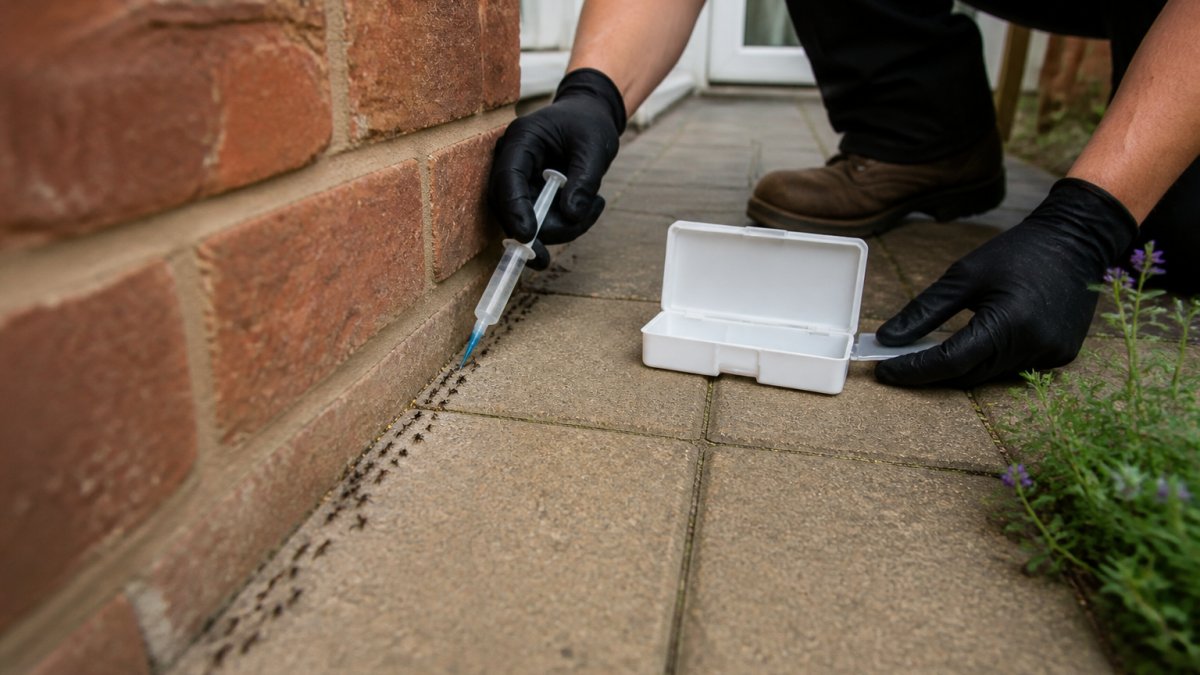
- A steady stream of ants moving in one direction, often toward a crack or gap
- Fine piles of excavated soil or sand along joints in paving or brickwork
- Small winged ants emerging indoors, usually in late summer
- Workers appearing in the same spot within minutes of being cleared
If ants reappear in the same place within an hour of being wiped away, you are almost certainly near a nest entry rather than a random trail.
Where Nests Hide in Oxfordshire and East Sussex Properties
Ant nests turn up in predictable places, and local building stock shapes where. Older properties with solid brick walls, suspended timber floors and mature gardens give colonies plenty of sheltered voids.
Common nesting sites we encounter include:
- Under patio slabs, block paving and garden paths
- Inside wall cavities, especially near warm pipes or south-facing walls
- Beneath kitchen and utility room floors
- In lawn edges, flower beds and the base of planters
- Behind skirting boards and under bath panels
The pattern is simple: ants want warmth, moisture and cover. A south-facing wall cavity beside a hot water pipe is close to ideal. So is the void under a patio that stays damp.
What Happens During Professional Ant Nest Removal
A professional visit begins with a survey to locate the nest, followed by targeted treatment of the colony and its entry points using approved insecticides. The technician's job is diagnosis first, treatment second.
In practice, the visit usually runs in this order:
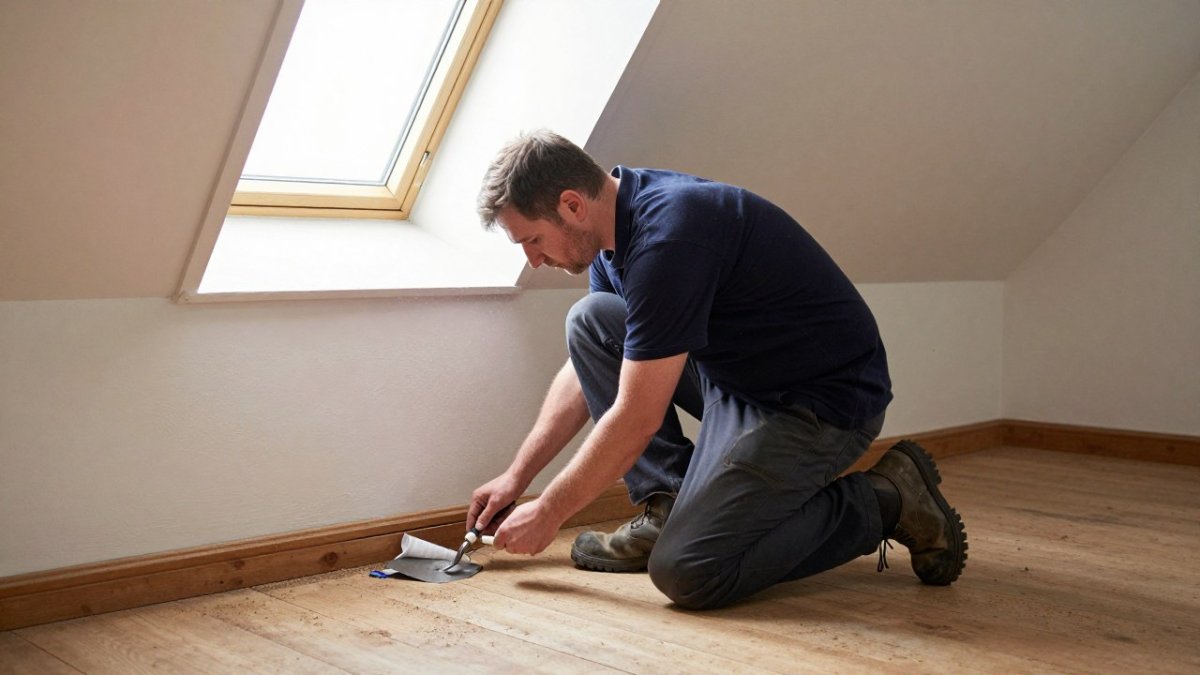
- Inspection. The technician traces trails back to their source, checks likely voids, and confirms whether you have one nest or several.
- Identification. Confirming the species matters because different ants behave differently and not all respond to the same approach.
- Treatment. Gel bait, residual spray or dust is applied directly to the nest and its entry points, depending on where the colony sits.
- Advice. You get clear guidance on what to expect, what to avoid cleaning, and when to call if activity continues.
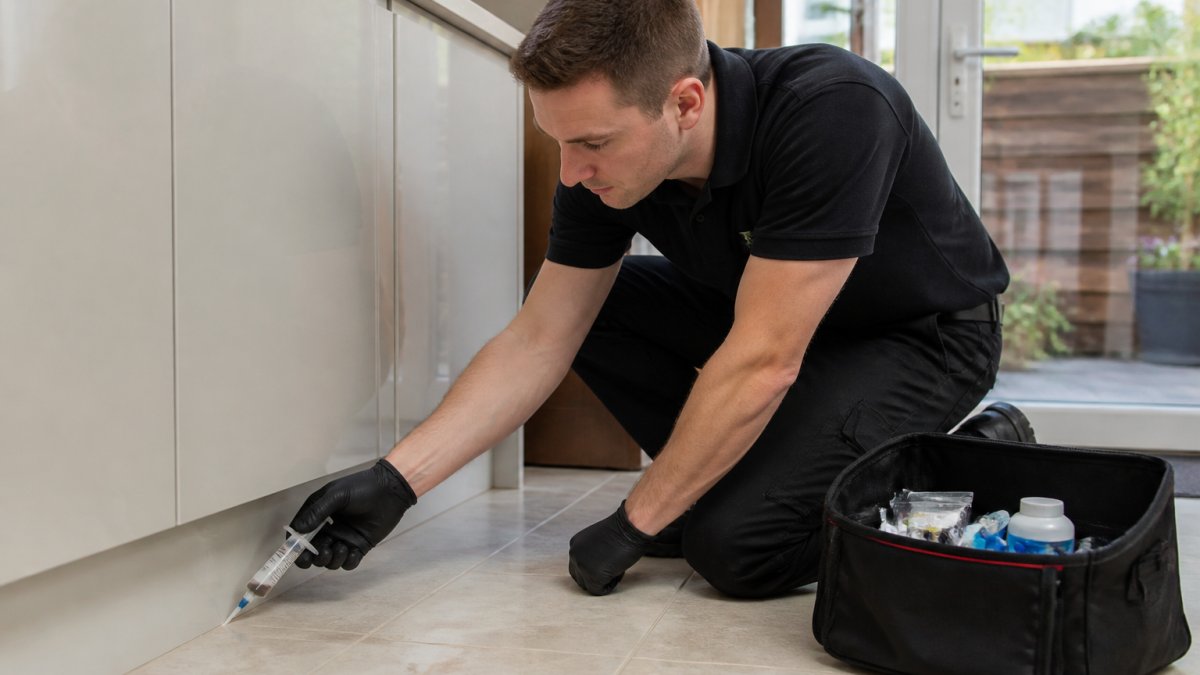
Our technicians hold a minimum RSPH Level 2 qualification, and we are associated with NPTA and BASIS PROMPT. This ensures that the person treating your home understands which product to use, where, and at what dose.
Why DIY Kits Rarely Reach the Queen
Shop-bought sprays and powders kill the ants you can see. The queen often stays deep in the nest, safe and still laying. Workers die on the surface, the colony replaces them, and the trail can return within days.
Bait stations can work, but only if the ants take the bait back to the nest and if the dose is appropriate. Getting it wrong can either repel the colony or feed it without killing it. A common mistake is spraying a trail and then placing bait on the same spot; the spray can contaminate the bait and the colony may avoid it.
Ant Treatment Duration: How Long Before the Nest Is Gone
Ant treatment duration is typically a few days to a few weeks, depending on the product used and the size of the colony. Bait-based treatments work slowly by design, because the colony has to carry the bait back and distribute it. Expect activity to continue, sometimes briefly increase, before it drops away.
Residual sprays applied directly to a nest usually reduce activity within days. Bait takes longer but reaches deeper. Neither is instant.
What to expect after treatment:
- Days 1-3: activity may continue or rise slightly as ants contact the treatment
- Days 4-14: worker numbers drop noticeably
- Weeks 2-4: the colony should be inactive; occasional lone ants are normal
If ants are still trailing in force after two weeks, call the provider back. This can indicate a second nest was missed rather than the first treatment failing.
Ant Nest Removal Cost: What Affects the Quote You Receive
Ant nest removal cost depends on the number of nests, how accessible they are, the size and type of property, and whether follow-up visits are needed. There is no single figure that fits every job, and a quote given before an inspection is an estimate.
The factors that move a quote up or down:
| Factor | Lower Cost | Higher Cost |
|---|---|---|
| Number of nests | One confirmed nest | Multiple nests on site |
| Access | Open patio or garden nest | Wall cavity or under flooring |
| Property type | Standard domestic home | Large estate with outbuildings |
| Follow-up | Single visit sufficient | Return visits required |
| Species | Common garden ant | Harder-to-treat species |
We do not publish fixed prices because every property and infestation is unique. Contact us for a quote based on your actual situation, and we will explain what the job involves.
Preparing for Pest Control Treatment: A Simple Checklist
Preparing for pest control treatment takes about fifteen minutes and makes the visit faster and more effective. You are not expected to clear the whole house; you just need to give the technician room to work and clear access to the problem areas.
- Clear worktops, floors and skirting boards near the trail
- Move pets and their food bowls to another room
- Cover or store open food, including fruit bowls
- Note every place you have seen ants, not just the main trail
- Tell the technician about children, pets, or anyone with sensitivities
- Do not clean the treated area afterwards until advised
- Keep the follow-up contact number to hand
One point people get wrong: cleaning immediately after treatment. Wiping down a treated surface removes the product and undoes the visit. Wait for the technician's guidance before you get the cloth out.
Stopping Ants From Returning After Treatment
Prevention after treatment is about removing the conditions that attracted the colony in the first place. Treatment solves the current nest. It does not seal the route a new one will use next spring.
Practical steps that make a difference:
- Seal cracks in paving, brickwork and around pipework entries
- Keep outdoor bins sealed and clear food waste promptly
- Trim vegetation back from walls and window frames
- Fix leaking taps and drains, as damp attracts colonies
- Store pet food in sealed containers rather than open bowls
For landlords and property managers, a scheduled maintenance visit each spring catches colonies before they establish. It is cheaper than a reactive call in August, and it keeps tenants happy. For hospitality and healthcare sites, discreet scheduled visits protect both hygiene standards and reputation.
Conclusion: Booking Ant Nest Removal in Oxford
The challenge with ants is not just killing them, it is finding the colony before it spreads and stopping it from coming back. This often takes a proper survey, the right product for the species and location, and a comprehensive plan.
At ProPest Oxford Ltd, we handle ant nest removal across Oxfordshire and East Sussex with same-day or next-day appointments, seven days a week. Our technicians hold a minimum RSPH Level 2 qualification, we are associated with NPTA and BASIS PROMPT, and we are fully insured. We focus on identifying the source of the infestation rather than just treating what you can see.
Get started with ProPest Oxford Ltd and book a service that clears the nest and keeps it from returning.
Frequently Asked Questions
How do I know if I have an ant nest in my home?
A steady trail of ants heading in one direction for several days usually means a nest is nearby. Look for small piles of fine soil or sand pushed out of gaps in skirting boards, under paving, or beside wall cavities. Winged ants appearing indoors in late summer can also signal a nest inside the structure. If the trail keeps returning to the same spot after you clean it, the nest is likely within the property rather than in the garden.
Can I remove an ant nest myself?
You can tackle small garden nests with off-the-shelf bait stations, but indoor nests are often harder. Shop-bought sprays kill the ants you see and may not reach the queen, so the colony can rebuild. Nests inside wall cavities, under floors or behind kitchen units often need a technician to trace the entry point and place the right treatment. If you have tried DIY attempts and the ants keep returning, professional ant nest removal can be a more reliable route.
How much does professional ant nest removal cost?
Ant nest removal cost depends on where the nest is, how many nests are involved, and whether follow-up visits are needed. A single accessible garden nest is a smaller job than nests inside wall cavities or under flooring. ProPest Oxford Ltd does not publish fixed prices because every property and infestation is unique. Contact them directly for a quote, and ask whether a follow-up visit is included so you know the full cost upfront.
How long does ant nest treatment take to work?
Most bait-based treatments start reducing activity within 24 to 48 hours, with the colony fully controlled over one to three weeks. Ant treatment duration depends on colony size, the product used and the time of year. You will usually see fewer ants each day rather than an instant stop. Do not spray the trail during this period, as it disrupts the bait and slows the result.