 how-to
Can Mice Make You Sick? Health Risks Explained | 2026
Table of Contents
- Can Mice Make You Sick? What the Health Risks Actually Are
- Diseases Mice Carry and How They Spread to Humans
- Mouse Droppings Health Risks: What You Need to Know
- Signs of Mice in the House: Spotting an Infestation Early
- How to Clean Mouse Droppings Safely
- What to Do After Finding Mice Indoors
- When to Contact a Doctor or Pest Professional
- Conclusion: Protecting Your Home and Health
- Frequently Asked Questions
Last Updated: October 13, 2026
Can Mice Make You Sick? What the Health Risks Actually Are
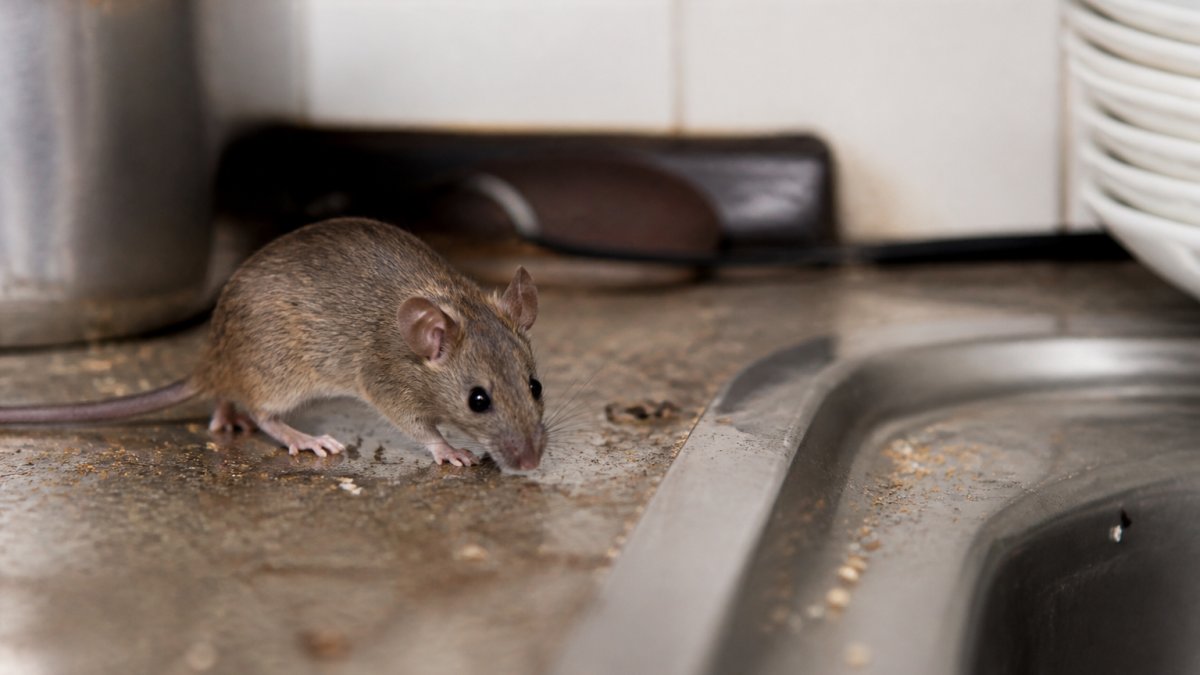
Yes, mice make you sick. Mice spread bacteria, viruses and parasites through their droppings, urine and saliva. You do not need to touch a mouse to get ill. Breathing in dust from dried droppings is enough.
This guide from ProPest Oxford Ltd covers the real health risks, the warning signs of an infestation, and how to clean up safely. Most people worry about a mouse running across the floor. The bigger danger is what they leave behind.
Mice are not just a nuisance. They contaminate food, damage wiring and carry organisms that cause serious illness in humans. The good news? The risks are manageable once you know what you are dealing with.
Below, we explain exactly how transmission happens, what symptoms to watch for, and when to call in a professional.
Diseases Mice Carry and How They Spread to Humans
Mice carry several diseases that can pass to humans. The most common include salmonella, hantavirus, leptospirosis and lymphocytic choriomeningitis. Each spreads in a slightly different way.
Here is how the main risks break down:
- Salmonella spreads through food and surfaces contaminated by mouse droppings
- Hantavirus spreads when you breathe in dust from dried droppings or urine
- Leptospirosis spreads through contact with water or soil contaminated by mouse urine
- Lymphocytic choriomeningitis spreads through droppings, saliva and nesting dust
The pattern is consistent. You rarely get sick from a bite. You get sick from the mess they leave.
How Transmission Happens in a Typical Home
Transmission usually happens without any direct contact. A mouse runs along a skirting board, leaves droppings behind, and those droppings dry out over a few days.
When you sweep or vacuum that area, tiny particles lift into the air. You breathe them in. That is the moment of exposure.
Common transmission routes at home:
- Sweeping dried droppings with a broom
- Vacuuming without a HEPA filter
- Handling nesting material with bare hands
- Eating food from contaminated cupboards
- Touching surfaces then touching your face
A common mistake is treating droppings like ordinary dirt. They are not. They are a health hazard that needs proper handling.
Mouse Droppings Health Risks: What You Need to Know
Mouse droppings are the single biggest health risk in an infestation. They carry live bacteria and viruses, and they stay dangerous long after they dry out.
The risk comes down to three things: quantity, location and how you handle them.
- In food areas, droppings contaminate worktops, utensils and stored food
- In enclosed spaces, like lofts and cupboards, dust builds up and concentrates
- In living areas, children and pets are most at risk from accidental contact
Dried droppings are more dangerous than fresh ones in one key way. They crumble easily, so they release contaminated dust into the air.
If you find droppings, do not panic. But do not ignore them either. The longer they sit, the more dust they release.
Signs of Mice in the House: Spotting an Infestation Early
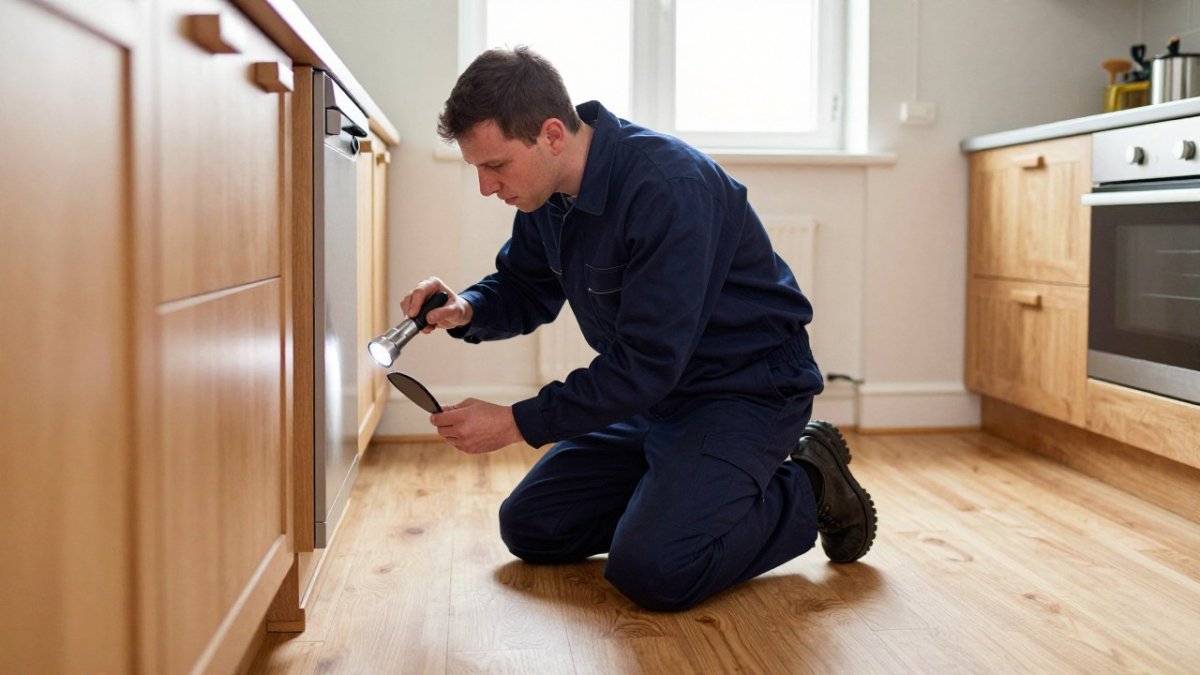
Spotting the signs early is the best way to limit your exposure. Mice are secretive. You will often notice the evidence before you ever see the animal.
Look for these signs:
- Droppings along skirting boards, in cupboards, or behind appliances
- Grease marks where mice rub against walls and pipes
- Gnaw marks on food packaging, cables or wood
- Scratching sounds at night, often in walls or ceilings
- A musty smell from urine and nesting material
- Nests made from shredded paper, fabric or insulation
- Pets acting strangely, staring at walls or cupboards
Droppings are the clearest sign. A single mouse produces a large number of droppings each day, so an established infestation leaves plenty of evidence.
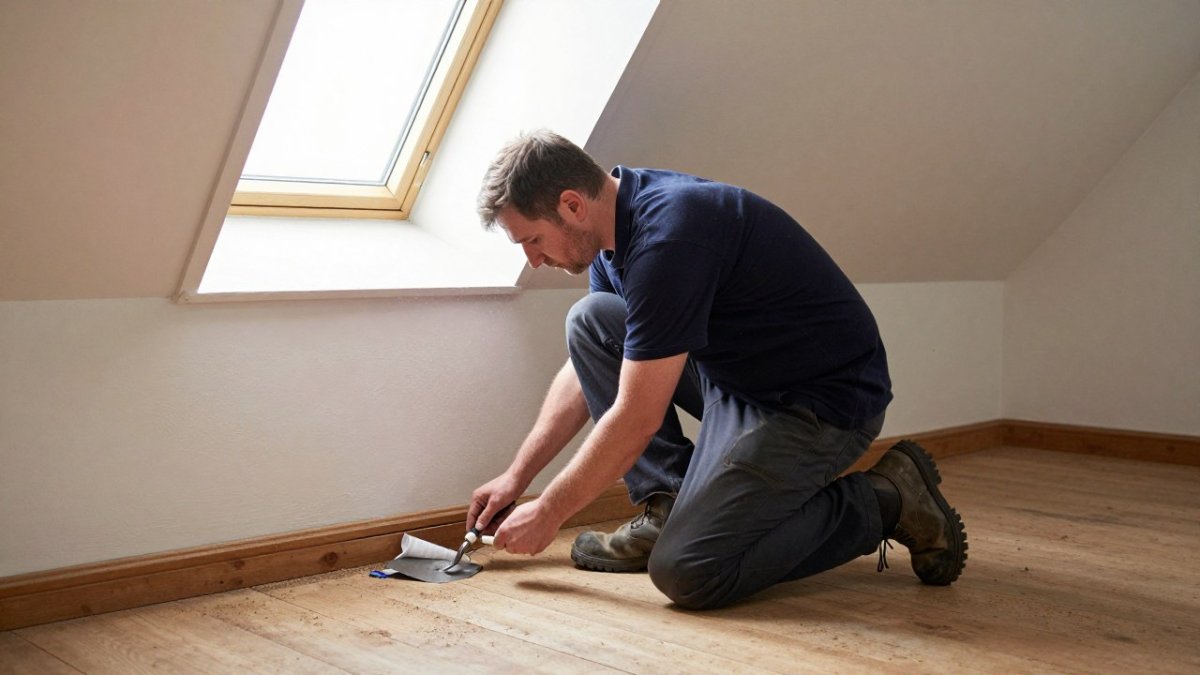
Check these spots first:
- Behind the fridge and cooker
- Under the sink
- In loft spaces and attics
- Along wall-floor junctions
- Inside food cupboards
If you find signs in more than one area, the problem is likely established. That is when professional help pays off.
How to Clean Mouse Droppings Safely
Cleaning droppings safely comes down to one rule: never let them dry out and go airborne. Dampen first, disinfect second, dispose third.
Follow these steps in order:
- Open windows to ventilate the area for at least 30 minutes
- Put on gloves and a face mask before you start
- Spray the droppings with a disinfectant until damp, never sweep dry
- Wipe up with paper towels and place them in a sealed bag
- Disinfect the whole surface again after removing the waste
- Wash your hands thoroughly with soap and warm water
- Dispose of the sealed bag in an outside bin
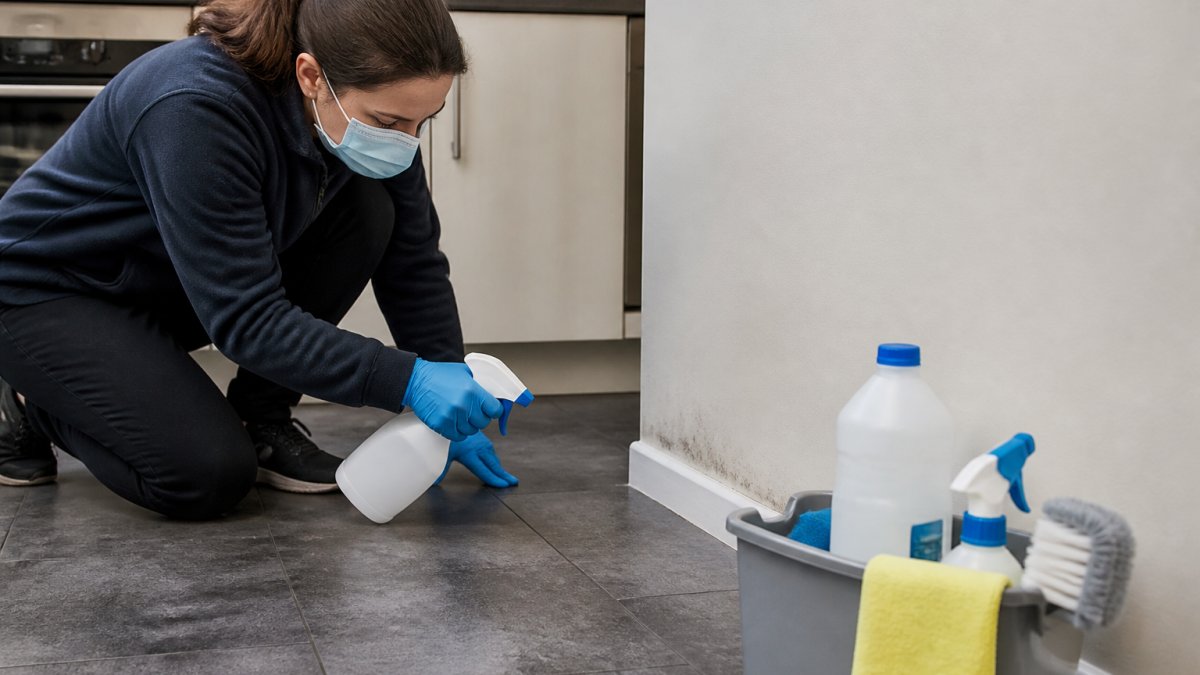
Do not use a standard vacuum on droppings. It blows particles straight back into the air. If you must vacuum, use one with a HEPA filter.
What to Do If You've Breathed In Dust from Droppings
If you have breathed in dust from droppings, do not panic. Most exposures cause no illness. But you should watch for symptoms over the following days.
Keep an eye out for:
- Fever or chills
- Muscle aches
- Headaches
- Nausea or stomach upset
- Difficulty breathing
If symptoms appear, contact your GP and mention the possible mouse exposure. This helps them assess you correctly.
For official guidance on rodent-borne illness and safe clean-up, see the UK Health Security Agency guidance on rodent-borne diseases.
What to Do After Finding Mice Indoors
Finding mice indoors means you need a plan, not just a trap. The goal is to remove the infestation and stop it returning.
Start with these steps:
- Identify the entry points. Mice squeeze through gaps the width of a pencil.
- Remove food sources. Store food in sealed containers and clear crumbs.
- Block access. Seal gaps around pipes, vents and skirting boards.
- Set traps or bait in the right places, away from children and pets.
- Clean up thoroughly using the safe method above.
DIY traps can work for a small problem. But mice breed quickly. A few mice can become a much larger issue within weeks.
This is where professional help makes a difference. At ProPest Oxford Ltd, our technicians hold a minimum RSPH Level 2 qualification. We focus on finding the source of the infestation, not just the symptoms. That means sealing entry points and preventing the problem from returning.
A common mistake is treating the visible mice and ignoring the cause. If the entry points stay open, new mice move in.
When to Contact a Doctor or Pest Professional
Contact a doctor if you develop fever, breathing problems or flu-like symptoms after exposure to mice. Contact a pest professional if you see signs in more than one area, or if the problem returns after DIY attempts.
See a GP if you have:
- Persistent fever or chills
- Breathing difficulty
- Severe headaches or muscle aches
- Symptoms that worsen over several days
Call a pest professional if you have:
- Droppings in multiple rooms
- Mice in food preparation areas
- An infestation in a rental or commercial property
- A problem that keeps coming back
For landlords and business owners, fast action protects both health and reputation. Hospitality and healthcare settings need discreet, certified pest management to maintain hygiene standards.
ProPest Oxford Ltd offers same-day or next-day appointments, seven days a week. We are associated with the NPTA and registered with BASIS PROMPT, and we are fully insured.
NHS advice on when to seek urgent medical help
Conclusion: Protecting Your Home and Health
Mice can make you sick, but the risk is manageable when you act early. The real danger is not the mouse you see. It is the droppings, dust and contamination you cannot see.
If you have found signs of mice, do not wait for the problem to grow. ProPest Oxford Ltd specialises in identifying the source of an infestation, not just the symptoms. Our RSPH Level 2 qualified technicians provide safe, effective treatment for families, pets and property.
Get started with ProPest Oxford Ltd and restore the safety and peace of mind your home deserves.
Frequently Asked Questions
Can mouse droppings make you ill?
Yes. Mouse droppings can carry bacteria such as Salmonella and Leptospira, as well as viruses like Hantavirus. You can become ill by breathing in dust contaminated with dried droppings, touching surfaces where droppings have been, or consuming food or water that mice have contaminated. The risk is higher in enclosed spaces with poor ventilation, such as lofts, cupboards, and outbuildings. Always wear gloves and a mask when cleaning, and disinfect the area thoroughly afterwards.
What illnesses can mice spread to people?
Mice can spread several illnesses to humans, including Salmonellosis (food poisoning), Leptospirosis (Weil's disease), Hantavirus, and Lymphocytic Choriomeningitis (LCMV). Symptoms vary by disease but often include fever, headaches, muscle aches, vomiting, and diarrhoea. In serious cases, leptospirosis can lead to liver or kidney damage. If you develop flu-like symptoms after known exposure to mice or their droppings, contact your GP and mention the exposure so they can assess you properly.
How should you clean mouse droppings safely?
Never sweep or vacuum dry droppings, as this releases contaminated dust into the air. Instead, ventilate the area by opening windows, put on disposable gloves and a face mask, then spray the droppings with a disinfectant or a diluted bleach solution and leave for at least five minutes. Wipe up with paper towels, seal them in a plastic bag, and dispose of it outside. Wash your hands thoroughly with soap and hot water afterwards, and disinfect any surfaces the droppings touched.
What should you do if you have breathed in dust from mouse droppings?
Move to fresh air immediately and wash your face and hands. Most people who briefly inhale dust from droppings will not become ill, but you should monitor for symptoms such as fever, cough, headache, or muscle aches over the following one to five weeks. If any symptoms develop, contact your GP and tell them about the exposure. For significant exposure in an enclosed space, or if you have a weakened immune system, seek medical advice promptly.