 how-to
How Long to Get Rid of Bed Bugs: A Timeline
Table of Contents
- Why Timeline Matters When Getting Rid of Bed Bugs
- How Long Does Bed Bug Treatment Take to Work
- How Many Bed Bug Treatments Are Needed
- Bed Bug Treatment Preparation Checklist
- Signs Bed Bugs Are Gone After Treatment
- What Affects How Quickly You'll Get Rid of Bed Bugs
- Preventing Bed Bugs from Returning
- Frequently Asked Questions
Last Updated: October 10, 2026
Why Timeline Matters When Getting Rid of Bed Bugs
Bed bug infestations create genuine distress. You're dealing with sleepless nights, anxiety about spreading the problem, and uncertainty about how long this will take. Understanding how long does it take to get rid of bed bugs helps you plan realistically and avoid false hope from ineffective treatments.
The timeline varies significantly. Some infestations clear in weeks. Others take months. The difference comes down to the treatment method, the severity of your infestation, and how well you prepare between appointments.
Homeowners who understand what to expect handle the process far better. They prepare properly, follow through on preparation steps, and don't panic when results don't appear overnight. This guide walks you through realistic timelines so you know exactly what lies ahead.
How Long Does Bed Bug Treatment Take to Work
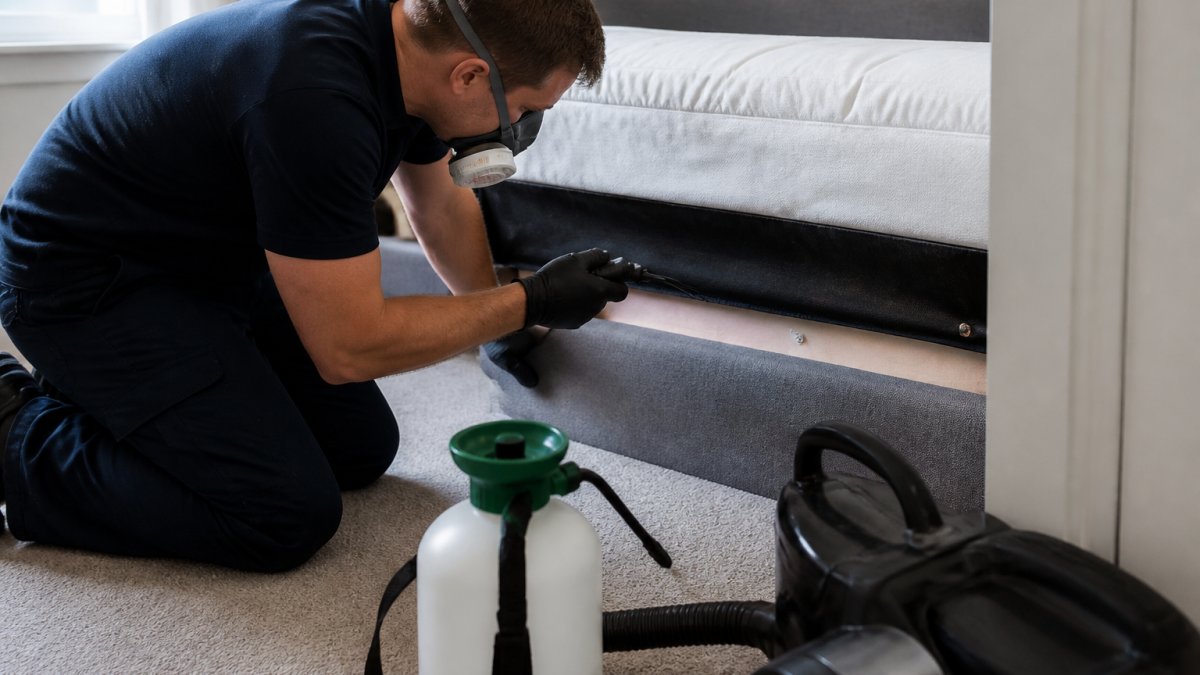
Professional bed bug treatments typically show initial results within 7-14 days, though complete elimination takes longer. The first treatment kills visible bed bugs and eggs on contact, but bed bugs hide in places sprays cannot reach immediately.
Most infestations require multiple treatments spaced 10-14 days apart. This timing matters because it targets bed bugs at different life stages. When eggs hatch after the first treatment, the second appointment catches the newly emerged bugs before they reproduce.
Here's what happens in that gap between treatments:
- Surviving bed bugs continue to feed and lay eggs
- New eggs hatch from clutches the first spray didn't reach
- The second treatment catches these newly active bugs
- A third treatment may be needed for severe infestations
The total process from first appointment to confirmed elimination typically takes 3-6 weeks for moderate infestations. Severe cases can extend to 8-12 weeks. Patience during this period is essential, rushing the timeline or switching treatments mid-process often resets your progress.
How Many Bed Bug Treatments Are Needed
Most bed bug infestations require 2-3 professional treatments to achieve complete elimination. The exact number depends on infestation severity, the treatment method used, and how thoroughly you prepare your property between appointments.
A light infestation caught early might clear with two treatments spaced two weeks apart. A heavy infestation, particularly one that's been present for months, often needs three or even four treatments. Some properties need additional spot treatments if bed bugs are discovered in new areas after the initial rounds.
Your technician will assess the situation at each appointment and advise whether additional treatments are necessary. This is why choosing a professional who focuses on identifying the source, not just treating symptoms, matters significantly. ProPest Oxford Ltd technicians hold minimum RSPH Level 2 qualifications and look beyond obvious signs to find where bed bugs are hiding.
Factors that increase the number of treatments required:
- Heavy infestation with bugs in multiple rooms
- Presence of clutter where bugs can hide effectively
- Delayed treatment after infestation began
- Incomplete preparation between appointments
- Infestations in multi-unit properties where re-infestation from neighbouring units is possible
Bed Bug Treatment Preparation Checklist
Before Your First Appointment
Preparation directly affects treatment success. A poorly prepared property means bugs survive in protected spaces, extending your timeline by weeks.
Start preparing at least 3-5 days before your appointment. Remove clutter from floors, under beds, and inside wardrobes. Bed bugs hide in cardboard boxes, piles of clothing, and stacked items.
Strip all bedding and wash it in hot water (the NHS). Bag clean bedding separately and keep it sealed until after treatment. Vacuum thoroughly, including under furniture, mattress seams, and skirting boards. Empty the vacuum bag into a sealed bin outside your home.
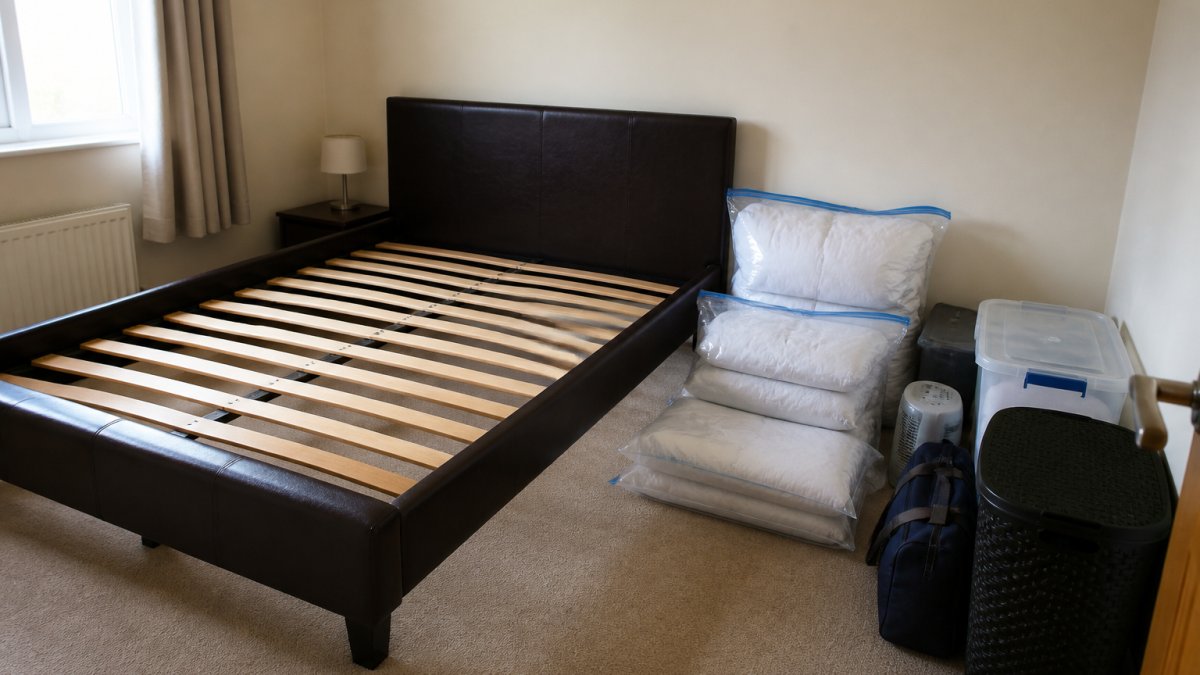
Move furniture away from walls where possible. This gives your technician access to skirting boards and wall cavities where bed bugs often hide. If you have a bed frame, pull it away from the wall and ensure there's clear space underneath.
Seal cracks and crevices in walls, skirting boards, and around electrical sockets with caulk if possible. These are prime hiding spots. Don't worry about perfect sealing, your technician will address treatment entry points, but obvious gaps should be sealed.
Here's your pre-appointment checklist:
- Remove all clutter from floors and under furniture
- Strip bedding and wash in hot water
- Vacuum thoroughly, including under bed and furniture
- Bag all clean bedding in sealed plastic
- Move furniture away from walls
- Seal visible cracks in skirting boards and walls
- Inform your technician of any areas of particular concern
- Ensure access to all rooms, including wardrobes and cupboards
Between Treatments
The period between your first and second appointment is critical. Your preparation now directly determines whether the second treatment will be more effective.
Vacuum daily if possible, or at minimum every other day. Dispose of vacuum contents in a sealed bag outside your home. Vacuuming removes bed bugs that survived the first treatment and eggs that haven't yet hatched. This reduces the population your technician faces at the next appointment.
Do not wash bedding in hot water between treatments unless you've found bed bugs on it. Washing can disrupt the treatment residue on fabrics. Your technician will advise on this specifically.
Keep all items bagged and sealed if you've stored them. Do not unpack boxes or return items to wardrobes until your technician confirms the infestation is eliminated.
Avoid moving items between rooms. If bed bugs are in your bedroom, moving a piece of furniture to the lounge can spread the infestation. Keep everything contained to the affected area until treatment is complete.
Between-treatment actions:
- Vacuum daily, dispose of bag contents outside
- Keep bedding and clothing sealed
- Do not move items between rooms
- Monitor for signs of bed bug activity
- Report any new activity to your technician
- Avoid DIY treatments that might interfere with professional work
Signs Bed Bugs Are Gone After Treatment
Confirmation of elimination takes time. You won't wake up one morning and suddenly know the problem is solved. Instead, you'll notice the absence of signs that were previously present.
The most reliable sign is the complete absence of bites for 2-3 weeks after your final treatment. If you're not being bitten and you haven't seen live bed bugs or fresh faecal spots for this period, the infestation is likely eliminated. However, absence of bites alone isn't proof, some people don't react visibly to bed bug bites.
Look for these additional confirmation signs:
- No live bed bugs found during inspections
- No fresh faecal spots (tiny dark marks) on bedding or mattress seams
- No shed skins or egg casings in treated areas
- No musty odour that was present during infestation
- Bites stop appearing within one week of final treatment
Your technician should conduct a follow-up inspection 2-3 weeks after the final treatment to confirm elimination.
What Affects How Quickly You'll Get Rid of Bed Bugs
Several factors determine whether your infestation clears in 3 weeks or stretches to 3 months. Understanding these helps you set realistic expectations and identify where you can improve your timeline.
Infestation severity is the primary factor. A single bed bug discovered early clears far faster than an infestation that's been present for months across multiple rooms.
Your property's layout affects treatment effectiveness. Open-plan properties with minimal clutter clear faster than cluttered homes with many hiding spots. Bed bugs in multi-unit properties face re-infestation risk from neighbouring units, which can extend the timeline significantly.
How thoroughly you prepare between treatments directly impacts results. Homeowners who vacuum daily, keep items sealed, and follow preparation steps precisely see faster elimination. Those who don't prepare properly often find that progress stalls because surviving bugs continue breeding in unprepared spaces.
Treatment method matters too. Heat treatment can eliminate bed bugs in a single day but costs more. Chemical treatment typically requires multiple appointments but is more affordable. Your technician will recommend the approach that suits your situation.
Previous failed treatments slow progress. If you've already tried DIY treatments or used another pest control company without success, bed bugs may have developed resistance patterns or hidden in new locations.
Factors speeding up elimination:
- Light infestation caught early
- Thorough preparation before appointments
- Consistent between-treatment maintenance
- Detached or semi-detached property with no re-infestation risk
- Professional treatment from the start
Factors slowing down elimination:
- Heavy infestation across multiple rooms
- Cluttered property with many hiding spots
- Poor preparation between treatments
- Multi-unit property with neighbouring infestations
- Previous failed treatments
Preventing Bed Bugs from Returning
Once you've eliminated bed bugs, prevention stops re-infestation. Bed bugs don't indicate poor hygiene, they spread through contact with infested items and travel. Anyone can get them, and they can return.
The most common source of re-infestation is travel. Bed bugs hide in luggage, clothing, and bags. When you return from hotels or visits to infested properties, bugs can travel home with you. Inspect luggage before unpacking. Wash all travel clothing in hot water immediately.
Inspect second-hand furniture carefully before bringing it into your home. Bed bugs hide in mattresses, sofas, and wooden furniture frames. If you buy used items, inspect seams and joints thoroughly. Consider treating secondhand mattresses with heat or having them professionally inspected before use.
Maintain vigilance about early signs. Check bedding regularly for small dark spots or live bugs. Inspect mattress seams monthly. If you notice even one bed bug, contact a professional immediately. Early intervention prevents a single bug from becoming an infestation.
Prevention practices:
- Inspect luggage after travel
- Wash travel clothing in hot water
- Keep suitcases sealed and stored away from bedrooms
- Inspect secondhand furniture thoroughly before purchase
- Check bedding monthly for signs of activity
- Act immediately if you spot any bed bug signs
- Keep your property clean and clutter-free
Getting rid of bed bugs requires patience and professional expertise. The process isn't quick, but it is manageable when you understand what to expect.
Frequently Asked Questions
How long does it usually take to get rid of bed bugs completely?
Complete eradication typically takes 2 to 4 weeks with professional treatment, though some cases resolve faster and others take longer. The timeline depends on infestation severity, property size, and how thoroughly you prepare. Professional technicians assess your specific situation during the first visit and provide a realistic timeframe. Most properties see significant improvement within the first week, with full clearance confirmed through follow-up inspections.
Can bed bugs be gone after just one treatment?
One treatment rarely eliminates bed bugs completely. Most infestations require at least 2 to 3 treatments spaced 1 to 2 weeks apart. This schedule targets bugs at different life stages. The first treatment kills adult bugs and nymphs; follow-up treatments catch eggs that hatch after the initial application. Your technician will recommend the specific number of treatments needed based on the severity of your infestation.
What should I do before a bed bug treatment?
Prepare your home by removing clutter, washing all bedding in hot water, vacuuming thoroughly, and moving furniture away from walls. Bag infested items separately and label them clearly. Inform your technician of any health concerns or pet sensitivities. Ensure access to all affected rooms and follow any specific pre-treatment instructions your pest control provider gives you. Proper preparation significantly improves treatment effectiveness and speeds up the timeline.
How can I tell if bed bugs are gone after treatment?
Signs of successful treatment include no new bites after 1 to 2 weeks, absence of live bugs during inspections, and no droppings or shed skins in affected areas. Your technician will conduct follow-up inspections to confirm eradication. Some properties use bed bug monitors or traps between appointments to detect any remaining activity. If you spot bugs or experience new bites during the treatment period, contact your pest control provider immediately for additional follow-up visits.