 how-to
How Much Is Woodworm Treatment? Costs Explained
Table of Contents
- How Much Is Woodworm Treatment? What Homeowners Need to Know
- Woodworm Treatment Cost Factors That Change Your Quote
- Woodworm Survey Cost: Why a Professional Inspection Comes First
- Woodworm Treatment Duration: How Long the Work and Results Take
- Woodworm Treatment Quote Checklist: What to Confirm Before You Book
- DIY Versus Professional Woodworm Treatment: Which Makes Sense?
- Frequently Asked Questions
Last Updated: October 15, 2026
How Much Is Woodworm Treatment? What Homeowners Need to Know
Working out how much is woodworm treatment comes down to three things: the size of the infestation, the number of timbers affected, and whether the damage is active or historic. There is no single national price, because every loft, floorboard and roof truss is different. At ProPest Oxford Ltd, we quote after a survey, never over the phone, because guessing leads to nasty surprises later.
Woodworm treatment is the process of identifying active wood-boring beetle larvae, applying an approved insecticide to affected timber, and confirming the infestation has stopped. It is not a one-size-fits-all job. A single flight hole in a floorboard is a very different problem from a roof structure riddled with active larvae.
Most homeowners searching for woodworm treatment costs want a straight answer. The honest one is that a reputable firm will need to see the timber first. Below, we break down what actually drives the price, what a survey should include, and how to compare quotes properly.
Woodworm Treatment Cost Factors That Change Your Quote
Four things push woodworm treatment costs up or down: the extent of the infestation, the type of timber affected, access to the timbers, and the treatment method required. A small, accessible loft job sits at the lower end. A whole-house structural treatment sits at the top.
Here is what actually moves the number:
- Size of affected area. More square metres of timber means more chemical and more labour.
- Timber type and location. Floorboards, joists, roof trusses and furniture all need different handling.
- Access. A loft hatch is easy. Timbers behind plasterboard or under fitted carpets are not.
- Active versus historic. Historic holes with no live larvae may only need monitoring, not full treatment.
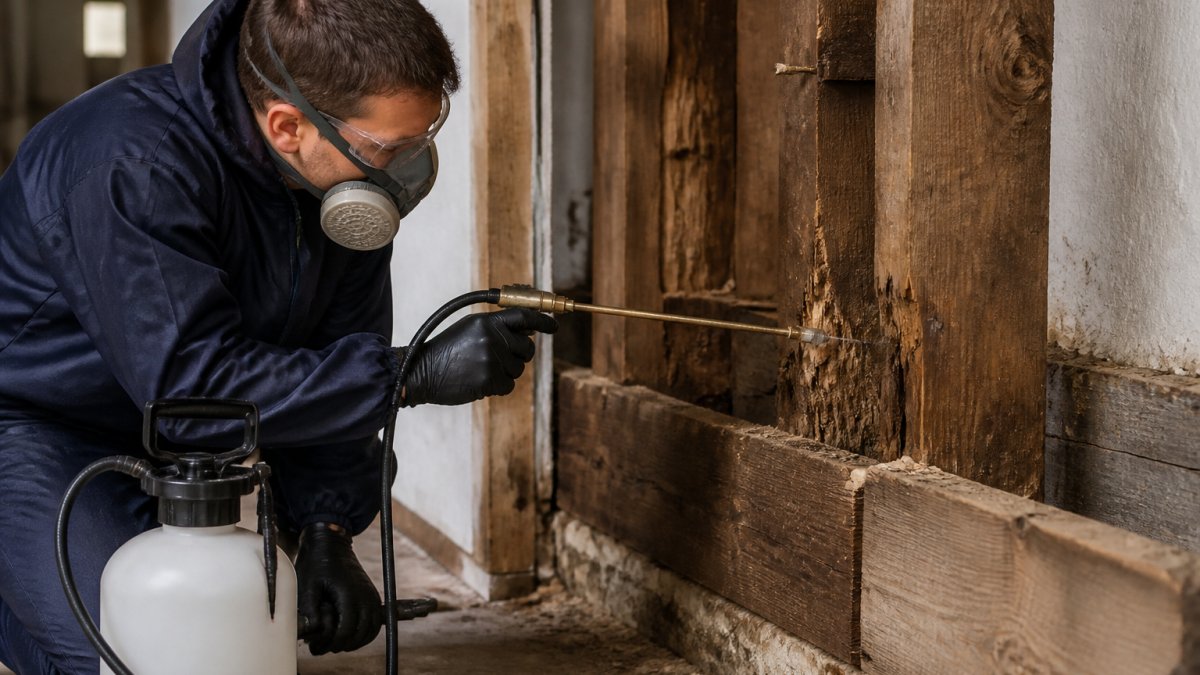
- Method. Surface sprays, injection into timber, and fumigation carry different costs and rules.
A common mistake is assuming the number of visible holes equals the size of the problem. It does not. Larvae can travel well beyond the exit holes you can see, which is exactly why a proper inspection matters more than a rough count.
guidance on wood-boring insects in buildings
Woodworm Survey Cost: Why a Professional Inspection Comes First
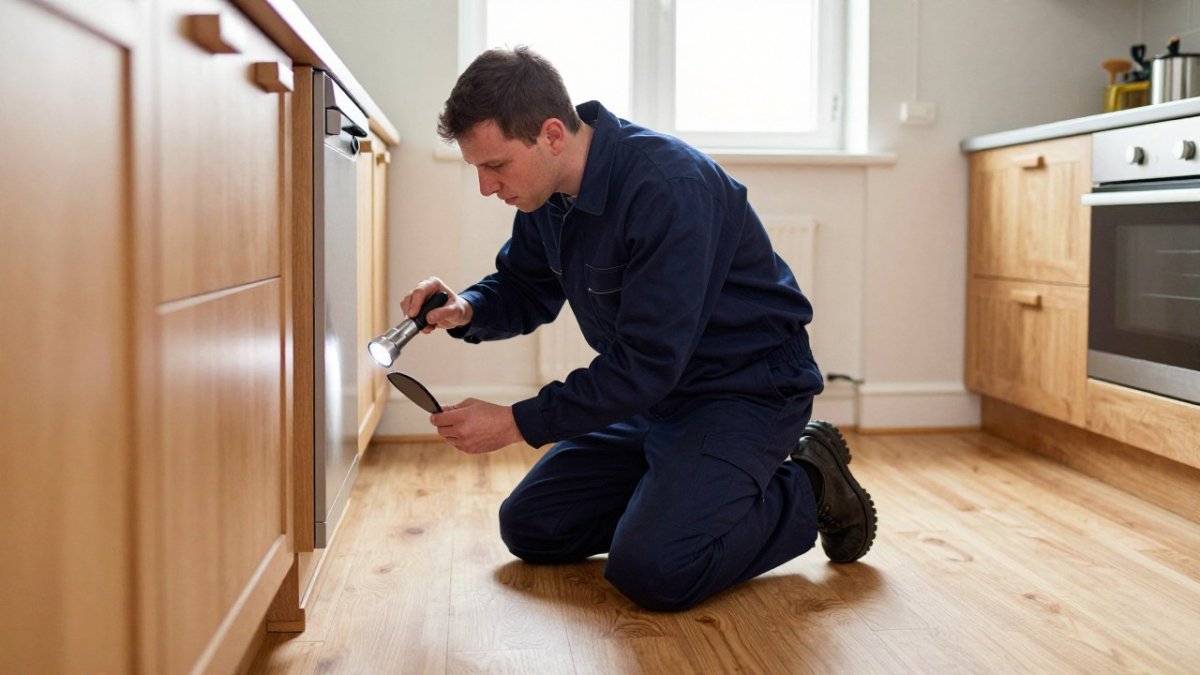
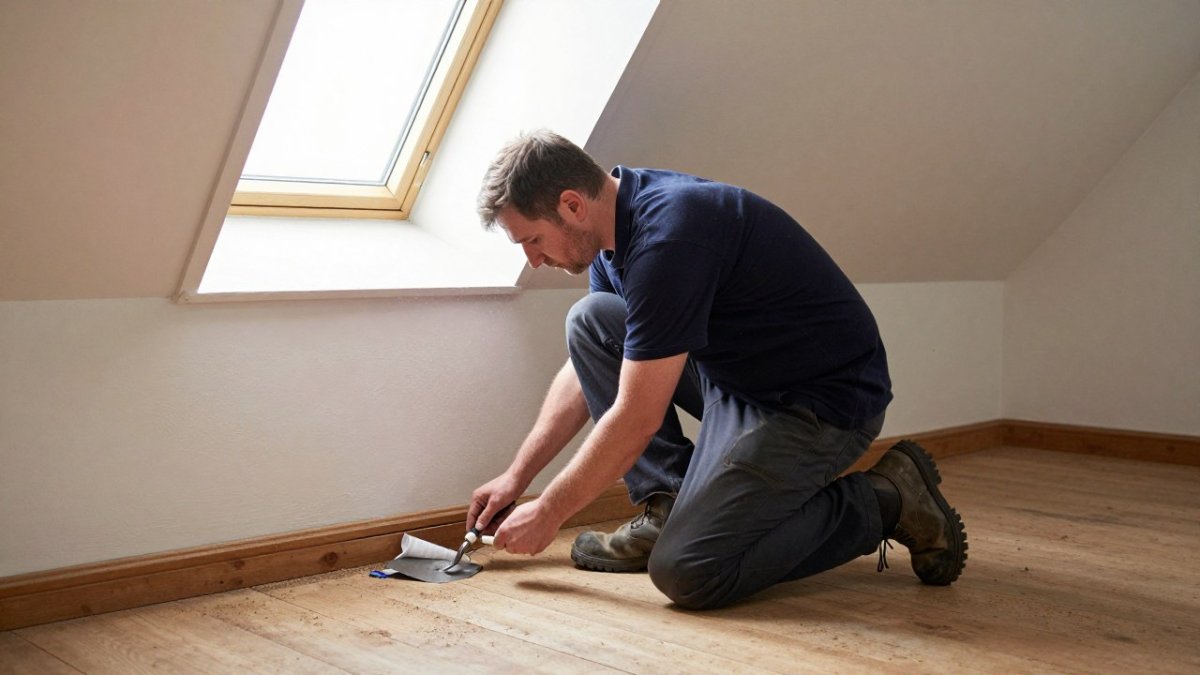
A professional woodworm survey is the step that decides whether you need treatment at all. Many firms charge a survey fee or fold it into the treatment cost if you go ahead. The survey is where a technician confirms whether the larvae are active or the damage is old.

During a survey, a qualified technician should:
- Check timbers for fresh frass (fine wood dust) and live larvae
- Tap and probe suspect timber for weakness
- Identify the beetle species, as different species need different approaches
- Check moisture levels, since damp timber attracts infestation
- Photograph findings so you can see exactly what was found
If a company skips the survey and quotes blind, treat that quote with suspicion. The real cost of woodworm treatment depends entirely on what is actually living in your timbers.
Woodworm Treatment Duration: How Long the Work and Results Take
Treatment itself usually takes a few hours to a couple of days, depending on the size of the property. The results, though, take longer to confirm, because you need time to see whether new holes or frass appear.
What to expect:
- Small, localised jobs: often completed in a single visit
- Whole-property treatments: typically spread over one to two days
- Drying and settling time: the treated area needs to be left undisturbed for a period set by the technician
- Monitoring window: you watch for fresh activity over the following months
A reputable firm will explain what "success" looks like. No new frass and no fresh exit holes after the monitoring period means the treatment has worked. If activity continues, a good company returns to investigate rather than charging you again for the same problem.
Woodworm Treatment Quote Checklist: What to Confirm Before You Book
Before you book any woodworm treatment, get the quote in writing and confirm exactly what it covers. A vague quote is the fastest route to a dispute.
| What to Confirm | Why It Matters |
|---|---|
| Written survey report | Proves what was found and where |
| Treatment method named | Tells you if injection, spray or fumigation is used |
| Areas included | Stops surprise charges for extra rooms |
| Revisit policy | Shows what happens if activity continues |
| Technician qualifications | Confirms the person is trained and certified |
| Insurance and guarantees | Protects you if something goes wrong |
Ask each question directly and get the answers in writing. If a firm cannot tell you who will do the work and what they are qualified to do, keep looking.
how to check a pest controller's credentials
DIY Versus Professional Woodworm Treatment: Which Makes Sense?
DIY woodworm treatment can work for a single piece of furniture or one small, isolated timber. For anything structural, or anything you cannot fully inspect, professional treatment is the safer and often cheaper choice in the long run.
DIY makes sense when:
- The problem is a single piece of movable furniture
- The infestation is confirmed as historic, not active
- You can reach and treat every affected surface
Professional treatment makes sense when:
- Timbers are structural (joists, roof trusses, floorboards)
- You cannot see the full extent of the damage
- The infestation keeps returning after DIY attempts
- You need documentation for a sale, purchase or rental
The real difference comes down to diagnosis. A technician trained to RSPH Level 2 standard can tell active from historic damage and treat the source, not just the symptoms. That is the part most DIY guides miss.
Woodworm does not fix itself, and the longer active larvae are left, the more structural timber they weaken. If you are unsure whether the damage is active, guessing is not worth the risk to your floors, roof or sale.
At ProPest Oxford Ltd, our technicians hold a minimum RSPH Level 2 qualification, we identify the source of the infestation rather than just the symptoms, and we offer same-day or next-day appointments seven days a week. We are NPTA members, BASIS PROMPT registered and fully insured, and we have been helping homeowners, landlords and businesses protect their properties since 2017.
Get started with ProPest Oxford Ltd and book a survey today, so you know exactly what you are dealing with before you spend a penny on treatment.
Frequently Asked Questions
How much does professional woodworm treatment cost?
There is no single figure because woodworm treatment is priced per property. The total depends on the size of the affected timber, how many pieces need treating, whether the infestation is active, and how easy the timbers are to reach. A small loft joist job costs far less than treating floorboards across several rooms. The only reliable way to get an accurate price is a professional survey, after which you receive a written quote itemising the treatment method, chemicals and labour.
What factors affect the cost of woodworm treatment?
The main woodworm treatment cost factors are the amount of timber affected, the number of rooms involved, the treatment method chosen (surface spray, injection or both), and whether any timber needs replacing. Access matters too: floorboards that must be lifted or loft timbers in awkward corners add labour time. Whether the infestation is active or historic also changes the approach. A surveyor assesses all of these before quoting, so the price reflects the actual job rather than a generic estimate.
Does woodworm treatment include an inspection, and what does a woodworm survey cost?
A professional woodworm survey is usually a separate charge from the treatment itself. The survey cost covers a qualified technician attending your property, identifying the beetle species, confirming whether the infestation is active, and mapping the affected timbers. Some firms deduct the survey fee if you proceed with the treatment, so ask about this when booking. A thorough survey is essential because it determines the correct treatment plan and prevents you from paying for unnecessary work.
How long does woodworm treatment take to work?
Woodworm treatment duration has two parts. The on-site work usually takes a few hours for a standard loft or single room, though larger properties can take a full day or more. The treated timber then remains protected indefinitely. You may continue to see small holes or frass for a short period after treatment as emerging beetles exit, but this does not mean the treatment has failed. A follow-up inspection, typically after 12 months, confirms the infestation has been controlled.