 how-to
How to Choose a Commercial Pest Control Company 2026
Table of Contents
- What Commercial Premises Need That Homes Do Not
- BPCA Certified Pest Control Services: What Accreditation Proves
- COSHH Compliance in Pest Management: What to Verify
- Commercial Pest Control Contract Requirements to Check
- Pest Control Audit Preparation for Restaurants and Food Businesses
- Questions to Ask Before You Sign
- Frequently Asked Questions
Last Updated: 23 September 2026
What Commercial Premises Need That Homes Do Not
Choosing the right commercial pest control company in 2026 starts with understanding that business premises face pressures homes never see. A domestic mouse problem is unpleasant. A mouse spotted by a customer, an auditor or a food safety inspector can close a kitchen, trigger a failed inspection and cost far more than the treatment itself. This guide from ProPest Oxford Ltd breaks down exactly what to check before you sign a contract.
Commercial pest control is the planned management of pests on business premises to meet legal, hygiene and audit standards, not just to remove an active infestation. That distinction matters. Homes need pests gone. Businesses need pests gone, proof they were gone, and a paper trail showing the problem will not return.
Three things separate commercial work from domestic work:
- Legal duty. Food businesses must manage pests under food safety law, and environmental health officers can inspect at any time.
- Documentation. Auditors and inspectors want service reports, monitoring records and treatment logs.
- Discretion. Customers, guests and staff should never see a trap, a bait station or a technician's van parked outside.
Most guides skip this. They list "find a local exterminator" and stop. That advice fails a restaurant, a care home or a landlord with tenants. Below, we'll show you exactly how to vet a provider against the standards your business actually gets judged on.
BPCA Certified Pest Control Services: What Accreditation Proves
BPCA certified pest control services prove that a company has met a recognised industry standard for training, insurance and operating procedures. The British Pest Control Association requires members to hold proper qualifications, carry adequate insurance and follow a code of practice. Membership signals a company operates to a professional baseline.
But here is what most guides miss: BPCA membership is a starting point, not a finish line. Check the individual technician's qualification too. The RSPH Level 2 award in pest management is the standard entry qualification in the sector, and any reputable firm should confirm its technicians hold it or higher.
When you check accreditation, ask for:
- Current BPCA membership, verifiable on the association's own directory
- Technician qualifications, such as RSPH Level 2
- Proof of public liability and treatment insurance
- Registration with a scheme like BASIS PROMPT for stored-product work
At ProPest Oxford Ltd, every technician holds a minimum RSPH Level 2 qualification, and the business is associated with both NPTA and BASIS PROMPT. That combination gives you a paper trail you can show an auditor.
COSHH Compliance in Pest Management: What to Verify
COSHH compliance in pest management means the company controls hazardous substances, including rodenticides, insecticides and baits, under the Control of Substances Hazardous to Health Regulations 2002. Any provider using chemicals on your site must assess the risks, use the safest effective product and keep records.
This is where cheap quotes quietly cut corners. A firm that cannot produce a COSHH assessment for the products it plans to use is a liability on your premises.
Ask to see, before any treatment begins:
- A COSHH assessment for each product used
- Safety data sheets for every chemical
- Evidence of technician training in safe handling
- A clear plan for keeping baits away from staff, customers and pets
The Health and Safety Executive guidance on COSHH sets out what a compliant assessment must cover. If a provider waves this off as paperwork, walk away.
Commercial Pest Control Contract Requirements to Check
A commercial pest control contract is a written agreement covering the scope of service, visit frequency, reporting and what happens between visits. The best contracts are proactive: they prevent pests rather than only reacting to them.
Read every contract for these clauses:
- Visit frequency stated in writing, not "as needed"
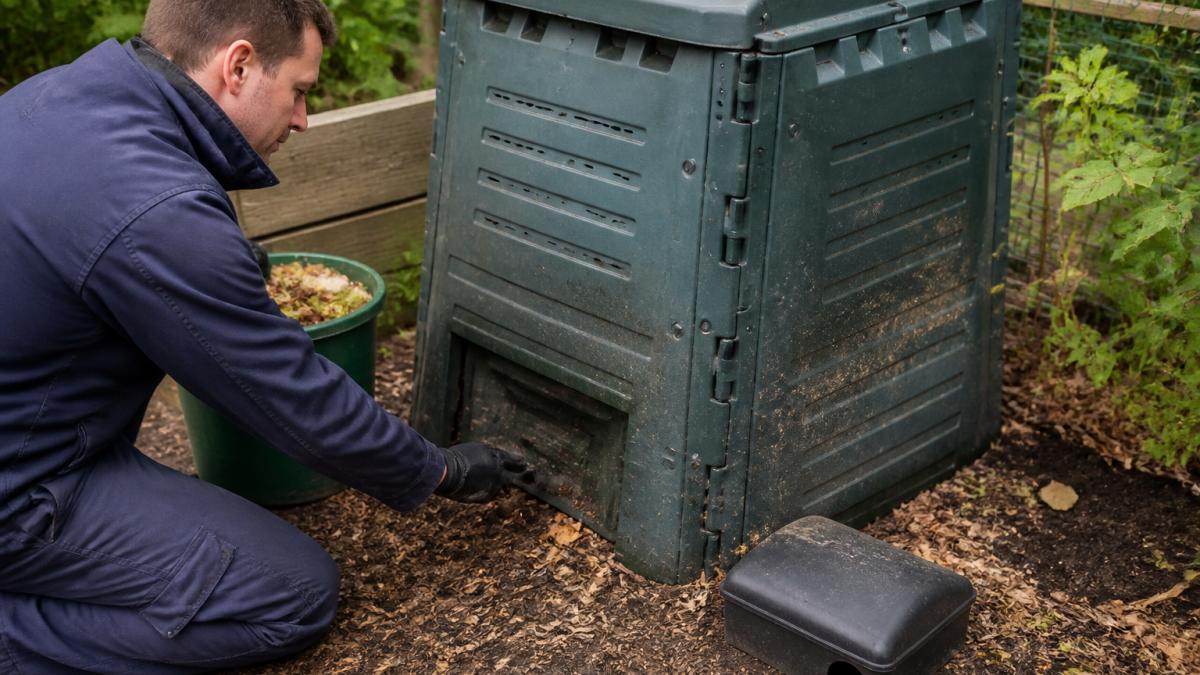
- Monitoring with numbered, mapped bait stations you can reference
- Reporting after each visit, with findings and actions
- Response time for callbacks between scheduled visits
- Guarantee terms if the problem returns
That last point matters most. A common mistake is signing a reactive contract that charges per call-out. You end up paying again every time the problem resurfaces. A good provider builds prevention into the agreement, so the source of the infestation is dealt with, not just the visible symptoms.
| Contract Type | Best For | What to Expect |
|---|---|---|
| Reactive | One-off infestations | Charged per visit, no prevention plan |
| Scheduled | Most businesses | Regular visits, monitoring, reports |
| Integrated | Food and hospitality | Scheduled visits, audits, full documentation |
Pest Control Audit Preparation for Restaurants and Food Businesses
Pest control audit preparation for restaurants means keeping records that prove your pest management is under control, ready for an environmental health inspection or a food safety audit at any time. The paperwork is as important as the treatment.

A well-run provider supports your audit, not just your pest problem. Look for a company that supplies:
- Dated service reports after every visit
- A site map showing monitoring station locations
- A logbook you can hand an inspector on request
- Recommendations to fix the conditions attracting pests
The Food Standards Agency guidance for food businesses makes clear that pest control records form part of your food safety management. Missing records can fail an inspection even when there is no active pest problem.
Questions to Ask Before You Sign
The right questions separate a provider who prevents problems from one who just sprays and leaves. Ask these before signing anything.
- "Can I see your technician qualifications?" Genuine firms answer without hesitation.
- "What happens if the problem returns?" You want a clear guarantee, not a shrug.
- "How quickly can you attend an urgent call?" Same-day or next-day cover matters for food businesses.
- "Will you identify the source, not just the symptoms?" Prevention beats repeated treatment.
- "Can you work discreetly around staff and customers?" Essential for hospitality.
- "What reporting will I receive?" You need records for audits and inspections.
A provider that cannot answer these clearly is a risk. The British Pest Control Association's guidance on choosing a pest controller echoes the same principle: check credentials, insurance and method before you commit.
For landlords and estate managers, add one more: can the provider schedule visits around tenants and work without disruption? For large estates with outbuildings, confirm the firm handles serious rodent work, not just standard domestic jobs.
Pest problems on commercial premises rarely stay small, and the cost of getting the provider choice wrong shows up at your next inspection. ProPest Oxford Ltd helps businesses across Oxfordshire and East Sussex with same-day or next-day appointments, RSPH Level 2 qualified technicians and a focus on finding the source of an infestation rather than just treating symptoms. Every job comes with the documentation auditors and inspectors expect, and our team works discreetly around your staff and customers. Get started with ProPest Oxford Ltd and keep your premises inspection-ready all year.
Frequently Asked Questions
What accreditations should a commercial pest control company hold?
Look for BPCA membership, which shows the company meets industry standards for training and insurance. BASIS PROMPT registration confirms technicians are qualified to handle professional pesticide products. RSPH Level 2 is the minimum qualification individual technicians should hold. Ask for proof of these before signing anything, and check the BPCA member directory to confirm the company's listing is current.
What should be included in a commercial pest control contract?
A proper commercial pest control contract should cover scheduled inspection frequency, a site-specific risk assessment, treatment methods and products used, monitoring and reporting procedures, emergency call-out terms, and the contract length with notice periods. It should also state what happens if pests return between visits. Read the terms carefully: some contracts charge extra for follow-up treatments that a thorough provider would include.
Are pest control companies required to follow COSHH regulations?
Yes. Under the Control of Substances Hazardous to Health Regulations 2002, any pest control company using pesticides on your premises must assess the risks, use appropriate control measures, and provide safety data sheets and COSHH assessments. Ask to see these documents before work begins. A compliant company will supply them without hesitation and will explain the re-entry times after treatment.
How often should commercial premises have pest control inspections?
Frequency depends on your business type and risk level. Food-handling businesses such as restaurants and cafes typically need monthly visits. Offices and retail units may manage with quarterly inspections. High-risk sites with previous infestations or open food storage may need fortnightly monitoring. Your provider should recommend a schedule based on a site survey, not a one-size-fits-all package.