 how-to
How to Stop Rats Returning: A Homeowner's Guide
Last Updated: November 4, 2026
Quick Summary
To stop rats returning, seal every gap of 15mm or more with wire mesh, steel wool or metal plates, and remove the food, water and cover that attracted them. Treatment alone clears the activity, but proofing the building and fixing waste habits keeps it that way.
- Rats need a gap of only 15mm to get inside a building.
- Check air bricks, pipe entries, door thresholds, soffits and drains for gaps.
- Feed birds on a tray, use a sealed compost bin and bring pet food in overnight.
- You know rats are gone after two to three clear weeks with no fresh signs.
- Call a professional if signs persist beyond the two-to-three-week window.
Table of Contents
- Why Rats Return After Treatment
- Signs of Rats Returning
- How to Seal Rat Entry Points
- What Attracts Rats to a Garden
- How to Stop Rats Coming Back After Pest Control
- Measuring Progress and Knowing When to Call a Professional
- Book a Professional Rat Survey with ProPest Oxford Ltd
- Frequently Asked Questions
Why Rats Return After Treatment
Rats return because killing the animals in front of you does nothing to stop rats returning to the conditions that invited them in. According to the British Pest Control Association's guidance on structural exclusion, rats need a gap of only 15mm to get inside a building. Seal nothing and the next colony moves straight in.
A treatment can clear the activity, but without sealing the entry points the scratching may start again in the same wall.
The Knockdown and Rebound Cycle
Research published in Frontiers in Ecology and Evolution on municipal rat management describes a pattern of knockdowns followed by rebounds. Numbers drop after eradication, then climb back once the food and shelter stay unchanged.
That is the whole problem in one sentence. You can remove rats. You cannot remove the reason they came.
Signs of Rats Returning
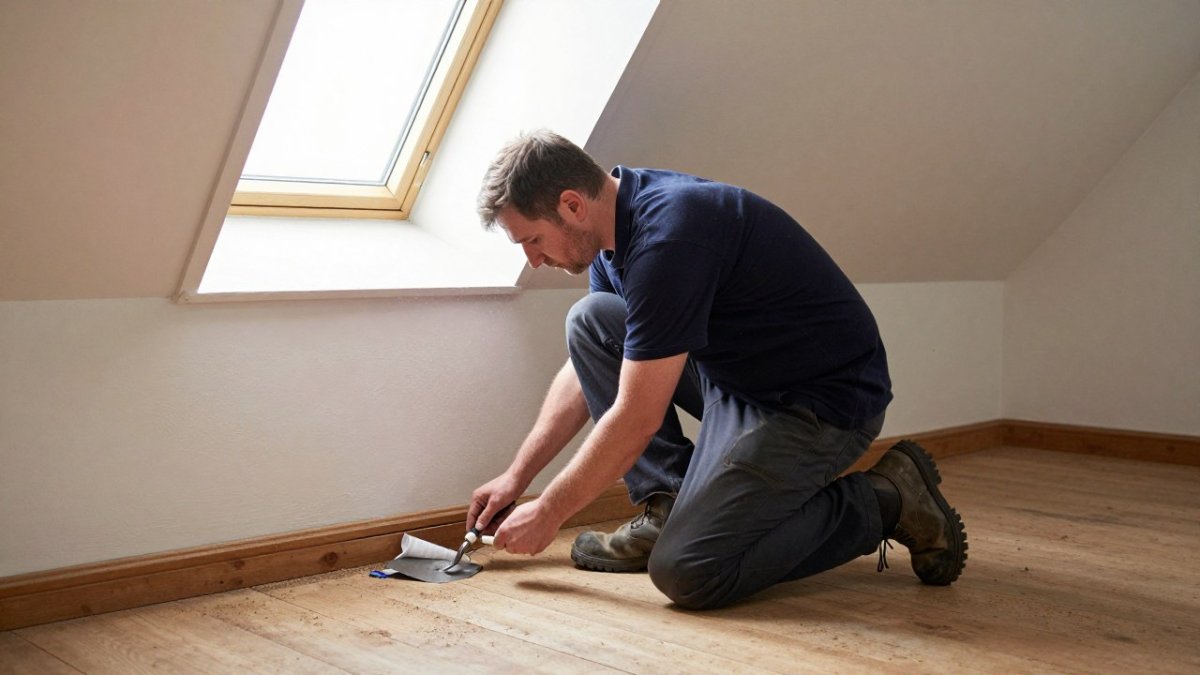
Fresh droppings, new gnaw marks and greasy smear marks along skirting boards are common signs of rats returning. Check the same spots you cleaned after treatment.
Look for:
- Dark droppings the size of a grain of rice, along walls and in cupboards
- Fresh gnaw marks on wood, plastic or pipe lagging
- Greasy dark tracks where bodies brush past surfaces
- Scratching noises in lofts or wall cavities after dark
- Torn packaging in sheds, garages and bin stores
Droppings, Gnaw Marks and Runways
Rats follow the same routes again and again. Those runs hug walls and edges, which is exactly where to look. Wear gloves when checking and wash thoroughly afterwards.
How to Seal Rat Entry Points
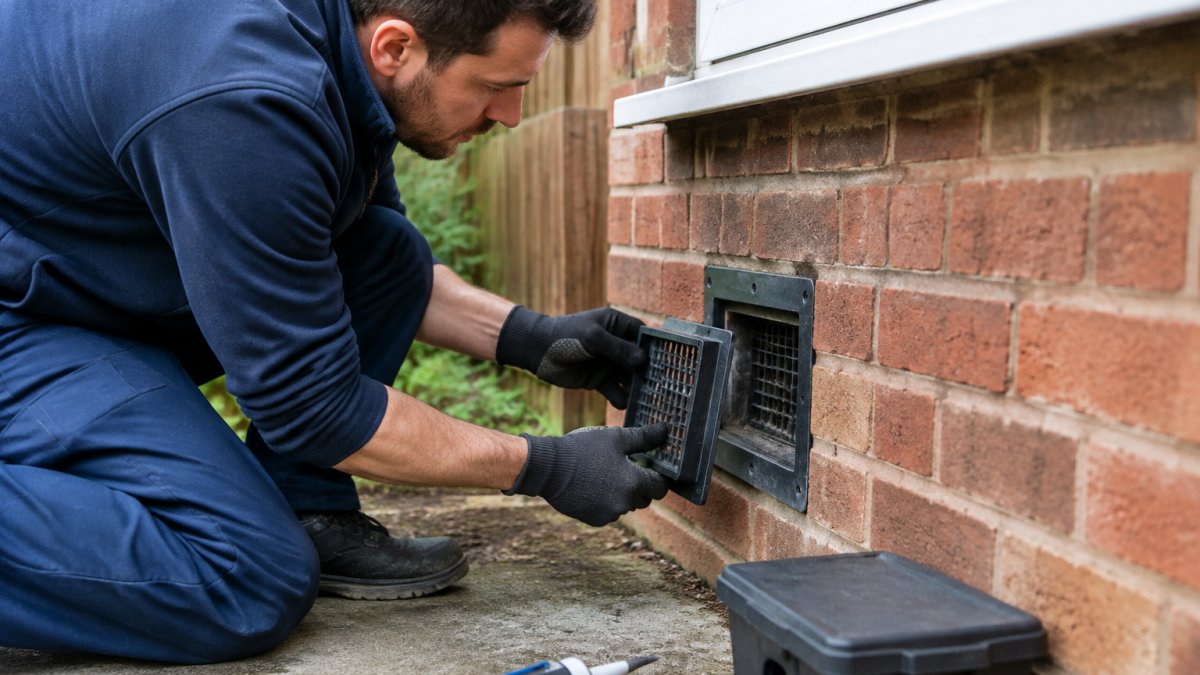
Sealing rat entry points means closing gaps with a material rats cannot chew through. Wire mesh, steel wool and metal plates are commonly used.
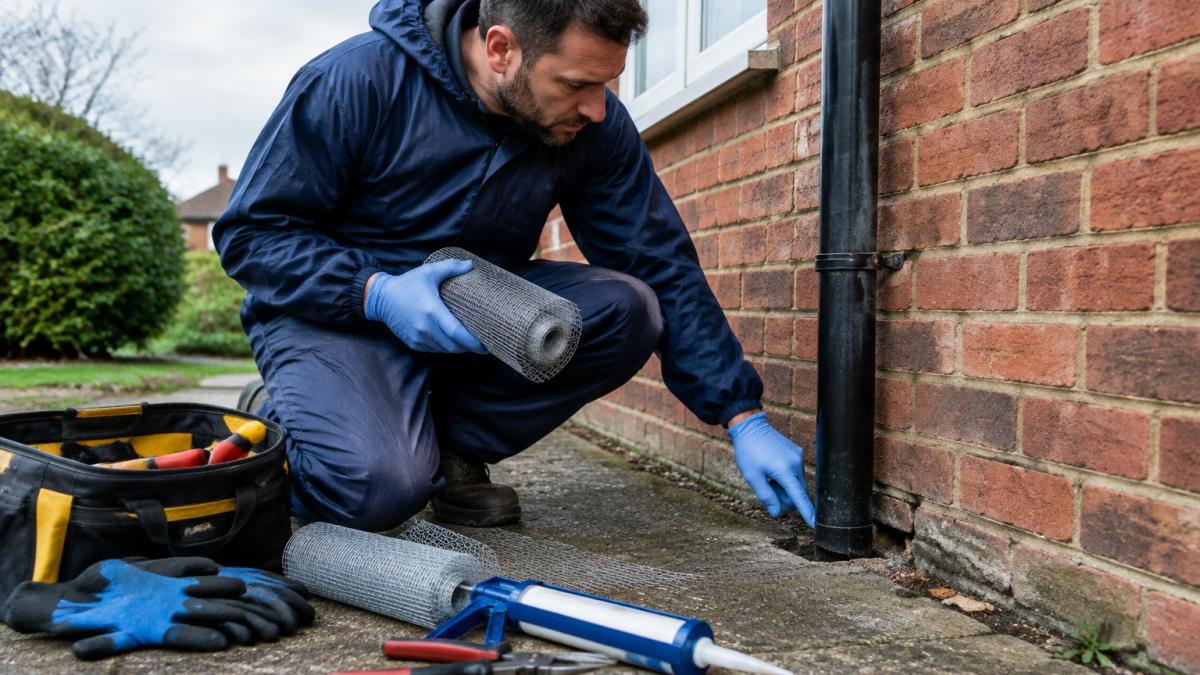
Work around the outside of the building first. Check air bricks, pipe entries, door thresholds, soffits and drains. For specialist rat blocker installation in Oxford, the mesh and collars get fitted properly rather than wedged in place.
A Practical Entry-Point Inspection Checklist
Use this on a dry day, walking clockwise around the property:
- Air bricks: cracked or missing covers
- Pipe and cable entries: gaps around the seal
- Doors: gaps under and around the frame
- Roof line: broken soffits and fascia boards
- Drains: broken covers or cracked gullies
- Garage and shed: gaps at the base of walls
Our guide on how to seal entry points for pests covers materials and methods in more detail.
What Attracts Rats to a Garden
Food, water and cover attract rats to a garden. Bird feeders, compost heaps, pet bowls and overgrown borders give them everything they need within metres of your walls.
Frequent bin collections and sealed waste containers can reduce the chance of infestation. In practice, that means:
- Feed birds on a tray, not on the ground, and clear spillage
- Use a sealed compost bin, not an open heap
- Bring pet food in overnight
- Keep bins closed and bag waste before it goes in
- Cut back borders and clear rubbish piles near the house
How to Stop Rats Coming Back After Pest Control
To stop rats returning after pest control, fix the building and the waste habits that let them in. Treatment buys you a clean slate. Proofing keeps it clean.
A common mistake is treating the symptom and stopping there. The cycle repeats because the entry route is still open and the food is still out.
If you want the job done properly, professional rat control in Oxford and Oxfordshire covers investigation, treatment, drainage checks and proofing advice. It also helps to know the likely costs first, so read our breakdown of rodent proofing costs that catch homeowners out.
The article sets out the practical steps that stop rats returning once a treatment has cleared the activity.
| Step | What to do |
|---|---|
| Seal the building | Close gaps of 15mm or more with wire mesh, steel wool or metal plates |
| Check entry points | Inspect air bricks, pipe entries, door thresholds, soffits and drains |
| Remove food | Feed birds on a tray, use a sealed compost bin, bring pet food in |
| Manage waste | Keep bins closed and bag waste before it goes in |
| Clear cover | Cut back borders and clear rubbish piles near the house |
| Monitor | Check the same spots weekly and date your findings |
| Confirm success | Two to three clear weeks with no fresh signs or sightings |
Measuring Progress and Knowing When to Call a Professional
You know rats are gone when there are no fresh droppings, no new gnaw marks and no scratching for two to three weeks. Check the same spots weekly and date your findings. That is the simple version. A short monitoring plan gives a more reliable picture, because a quiet week on its own proves very little.
A Simple Monitoring Plan
Set up a written record before you start counting. A notebook or a phone note is enough, as long as every entry carries a date.
- Mark the spots where you found droppings, gnaw marks or smear marks, and check those exact places each week.
- Clear old droppings and debris after each check so anything new is obvious.
- Note trap activity, including where a trap was sprung and whether bait was taken.
- Record any sightings, scratching or new runs along skirting boards.
- Photograph fresh damage where you can, so you can compare it week to week.
Activity can drop for a week and then resume if rats return to their old routes. A period of two to three clear weeks with no fresh signs, no trap activity and no sightings may indicate the immediate problem has stopped. It is not proof that the building is sealed.
Confirm what you are finding before you assume the problem has changed species or returned.
Traps and Rodenticides: Lawful and Safe Use
Traps and poison are not interchangeable, and neither should be used casually. Animal welfare law requires that anyone responsible for an animal, including a rat caught in a trap, avoids unnecessary suffering, so traps should be checked regularly and set to kill quickly or hold the animal humanely. Check the current official guidance from the relevant UK authorities before choosing traps. If you are unsure, use a professional rather than guessing.
Rodenticides carry their own risks, including to children, pets and wildlife. Use them only in line with the product label and keep bait away from children and pets. Never move bait into unlabelled containers or leave it loose in a loft or shed.
Poison is generally a control measure rather than a proofing measure. It reduces numbers but does nothing about the gap in the wall or the food source outside. If you use it, pair it with the sealing work in the previous section and keep a record of where bait was placed.
When to Call a Professional
Call a professional when signs persist beyond the two-to-three-week window, when you cannot find the entry route, or when the problem sits in drains or wall cavities. Also call if you find evidence in more than one part of the building, if you are in a flat or shared building where the problem may cross property boundaries, or if you are unsure how to use traps or rodenticides lawfully and safely. A rodent investigation and survey in Oxford confirms activity and entry routes before any further treatment.
Book a Professional Rat Survey with ProPest Oxford Ltd
Stopping rats for good is a proofing job, not a poisoning job.
ProPest Oxford Ltd technicians hold a minimum RSPH Level 2 qualification, with same-day or next-day appointments and services available seven days a week. We focus on identifying the source of the infestation rather than just the symptoms, and we are associated with the NPTA and BASIS PROMPT.
Get started with ProPest Oxford Ltd and close the door on rats for good.
Frequently Asked Questions
Why do rats keep coming back to my house?
Rats return because the conditions that drew them in the first place are still there: accessible food, sheltered nesting sites and gaps they can squeeze through. Rats can squeeze through very small gaps. If bins are open, pet food is left out or air bricks are unguarded, a new rat will find the same route. Removing the attractants and sealing the entry points is what stops the cycle.
How do I stop rats returning after pest control?
Treat the proofing and hygiene work as part of the job, not an optional extra. After a treatment, walk the perimeter and seal gaps that rats could use with materials they cannot chew through, such as wire mesh or steel wool. Move bins away from walls, clear spilled birdseed and fix leaking drains. Then monitor for two to three weeks with a torch check of loft, shed and drain areas. If you see fresh droppings or gnaw marks, book a follow-up survey rather than reaching for poison.
What smells keep rats away?
Strong smells such as peppermint oil, ammonia or cayenne pepper may deter rats briefly, but they are unlikely to keep a population out on their own, and rats can become used to smells over time. Physical exclusion and removing food sources are the only measures that hold up over time. Use scent repellents as a short-term aid while you seal entry points, not as the main strategy.
How long does it take to stop rats returning?
Activity may drop within a week or two of sealing entry points and removing attractants. Full confidence comes from monitoring for at least three weeks with no fresh droppings, gnaw marks or scratching noises. If activity continues past that window, the source has not been found. A professional survey can trace the entry route and confirm whether the problem is ongoing.