 how-to
How Often Should Commercial Pest Control Be Done?
Table of Contents
- What Determines How Often Commercial Pest Control Is Needed
- Commercial Pest Control Legal Requirements UK Businesses Must Meet
- Typical Commercial Pest Control Schedules by Business Type
- Safe Pest Control Methods for Restaurants and Food Businesses
- Pest Control Contract Benefits for Businesses
- How to Build a Pest Control Schedule That Works
- Conclusion
- Frequently Asked Questions
Last Updated: October 3, 2026
What Determines How Often Commercial Pest Control Is Needed
There is no single answer to how often should commercial pest control be done. The right schedule depends on your pest type, building, and legal duties. Most sites need monthly visits, but high-risk kitchens often need more.
At ProPest Oxford Ltd, we see the same pattern across Oxfordshire and East Sussex. Businesses that treat pest control as a one-off job get repeat infestations. Those on a planned schedule stay clear.
This guide breaks down the factors that set your frequency. You will also get typical schedules by business type and a template to build your own.
Pest Type and Infestation Severity
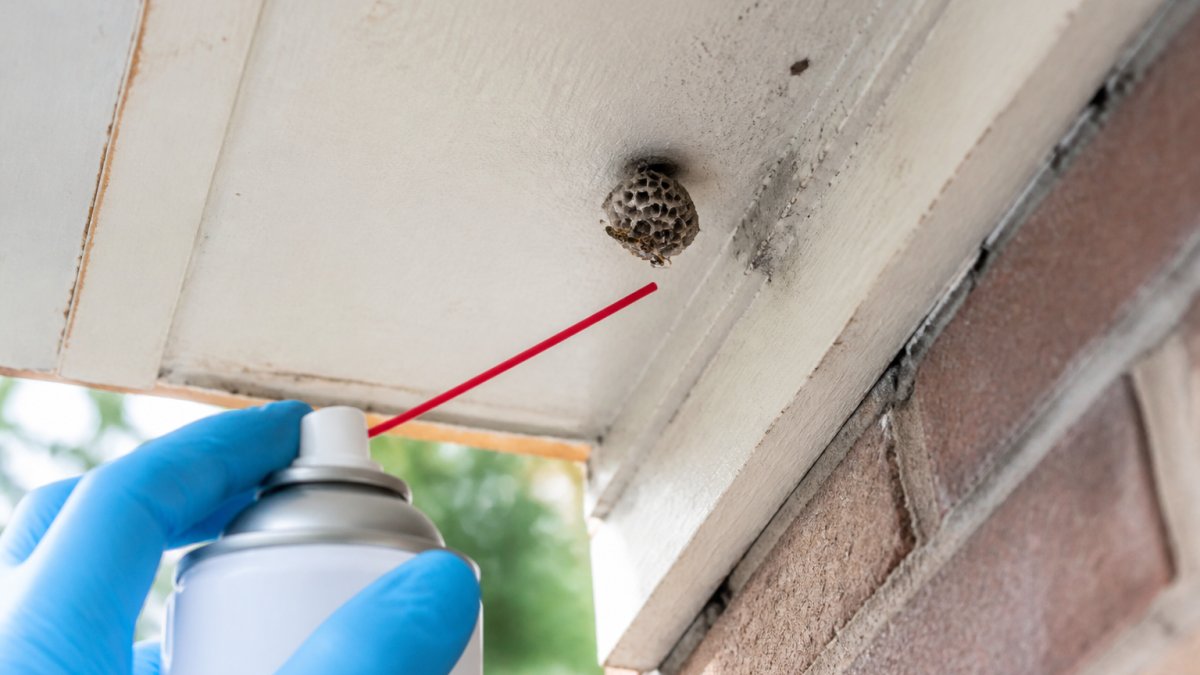
Different pests need different visit rates. A wasp nest is a one-off job. Rats in a wall cavity need weeks of follow-up.
Rodents are the clearest example. They breed fast and travel along the same routes. Miss a follow-up visit and the problem returns within weeks.
Cockroaches in a commercial kitchen are similar. They hide deep in voids and equipment. One visit rarely clears them.
Signs that you need more frequent visits:
- Droppings, grease marks, or gnaw damage found on more than one visit
- Traps catching new rodents after treatment
- Pests seen in daylight, which often means a large population
- Repeat sightings within a month of treatment
A single wasp nest or an ant trail in a yard is usually a one-visit fix. Ongoing rodent or cockroach activity needs a monitored programme.
Building Type, Location and Risk Level
Your building decides how easy it is for pests to get in. Old stock, shared walls, and back-of-house access points all raise the risk.
A listed townhouse with original timber and gaps under doors is harder to seal than a new-build unit. Pests find the same entry points again and again.
Location matters too. A site next to a food retailer, a river, or a waste yard will always face higher pressure. No treatment stops pests coming back from next door.
Risk levels in practice:
- High risk: food prep areas, hospitals, care homes, waste stores
- Medium risk: offices, retail floors, warehouses with dry goods
- Low risk: storage units, empty units, well-sealed offices
High-risk sites need the most frequent visits. Low-risk sites can often run on a lighter schedule.
Commercial Pest Control Legal Requirements UK Businesses Must Meet
UK food businesses must control pests under food safety law. The Food Standards Agency guidance on food safety management sets out that food must be protected from contamination, including by pests.
This is not optional. Inspectors can close a business or issue notices if pests are found.
The main duties are:
- Keep premises clean and in good repair
- Prevent pests from entering and breeding
- Monitor for pests and act on findings
- Keep records of checks and treatments
For food businesses, a documented pest control programme is expected as part of food safety management. Many sites use a contractor to run this.
Landlords have duties too. The GOV.UK guidance on renting and health and safety covers the need to keep properties in a safe condition. Pests can breach this.
Our technicians hold a minimum RSPH Level 2 qualification. That matters when an inspector asks for proof of competence.
Typical Commercial Pest Control Schedules by Business Type
Most commercial sites sit between monthly and quarterly visits. High-risk food sites often need monthly or more. Low-risk offices can run quarterly.
Here is how the schedules usually break down:
| Business Type | Typical Frequency | Main Reason |
|---|---|---|
| Restaurants and cafés | Monthly | Food safety and inspection risk |
| Food factories | Monthly or more | High pest pressure, audit needs |
| Hotels and care homes | Monthly to quarterly | Hygiene and reputation |
| Offices and retail | Quarterly | Lower risk, fewer entry points |
| Warehouses | Monthly to quarterly | Storage and loading bays |
| Landlord portfolios | Quarterly | Tenant comfort and legal duty |
These are starting points, not fixed rules. A site with a history of rodents may need weekly checks for a period.
Season also shifts the picture. Rodents move indoors as the weather turns colder. Wasps peak in late summer. A good provider adjusts the plan through the year.
Safe Pest Control Methods for Restaurants and Food Businesses
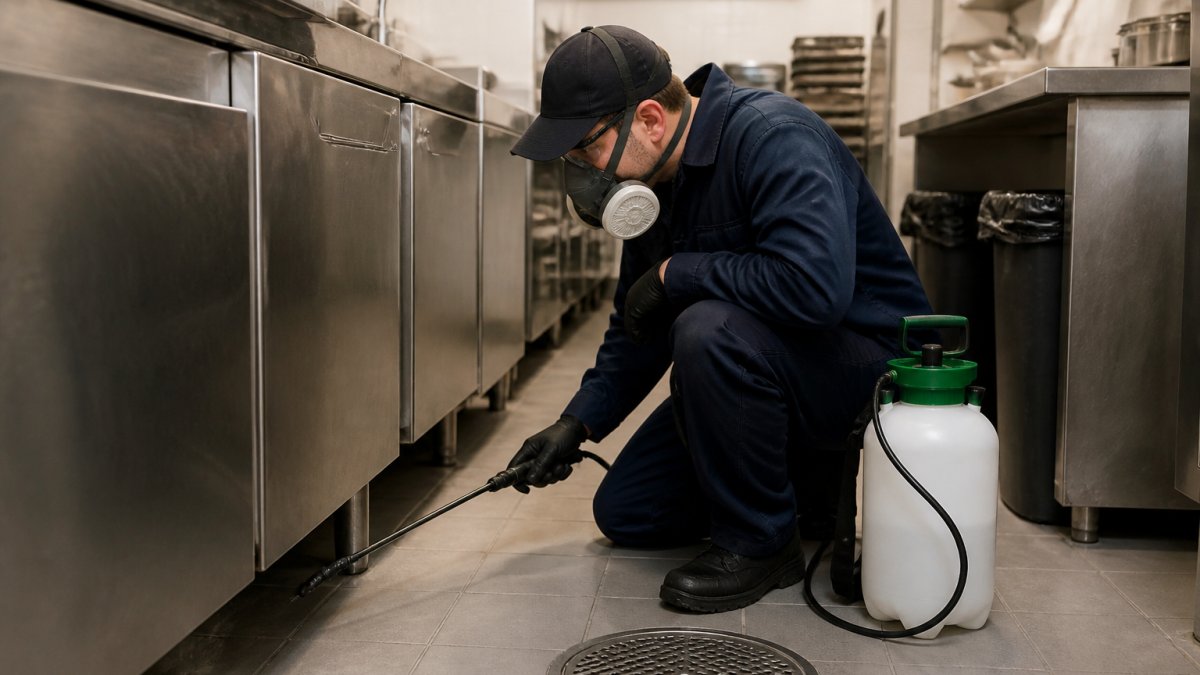
Safe pest control in a food business starts with proofing, not spraying. Block the entry points first, then treat what is left.

This order matters. Spraying without proofing is a temporary fix. The pests come back through the same gap.
Safe methods for kitchens:
- Seal gaps around pipes, doors, and wall joints
- Fit door brushes and air curtains where needed
- Keep waste in lidded, sealed bins away from prep areas
- Store dry goods off the floor and in sealed containers
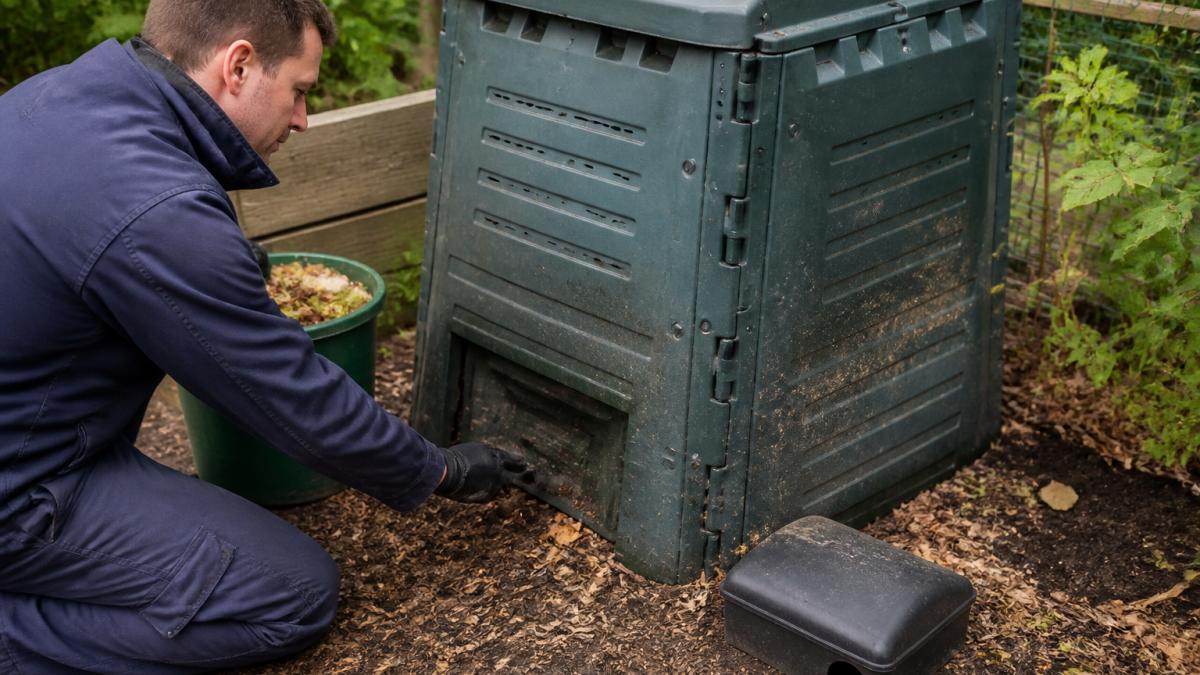
- Use tamper-resistant bait stations placed away from food surfaces
Treatments must not put food at risk. Any product used in a food area must be applied so it cannot contaminate food or surfaces.
Records matter here. Keep a folder with visit reports, product details, and any monitoring findings. Inspectors ask for this.
We focus on finding the source of an infestation, not just the symptoms. That is the difference between a fix and a repeat call.
Pest Control Contract Benefits for Businesses
A contract turns pest control from a panic purchase into a planned cost. You get regular visits, monitoring, and a paper trail.
The benefits go beyond fewer pests:
- Fewer emergencies. Regular checks catch problems early, before they spread.
- Cost control. A fixed schedule is easier to budget than repeated call-outs.
- Records for audits. Visit reports and monitoring logs support inspections.
- Faster response. Contract clients get priority when something urgent appears.
- Proofing over time. Each visit builds a better seal against future pests.
There is a real difference between a contract and a one-off visit. A one-off treats what is there today. A contract tracks what might come next.
For landlords, this matters for tenant relations. Regular visits keep issues from becoming complaints. We work discreetly around tenants and can fit visits to your schedule.
How to Build a Pest Control Schedule That Works
Build your schedule around risk, not habit. Start with a survey, set the frequency, then review it each year.
Follow these steps:
- Book a site survey. A technician maps entry points and current activity.
- Set a base frequency. Monthly for high-risk food sites, quarterly for low-risk offices.
- Add monitoring. Traps and bait stations show whether the plan is working.
- Log every visit. Keep reports in one folder for audits and inspections.
- Review after each season. Adjust for weather, building changes, or new activity.
- Act on findings fast. A new sighting means a sooner visit, not a later one.
- Re-survey yearly. Buildings change and so do pest routes.
Our appointments are available same-day or next-day for urgent cases, seven days a week. That speed matters when you find rodents in a wall or wasps near a customer entrance.
A schedule only works if you stick to it. Set reminders, keep the records, and treat every finding as a reason to check, not to wait.
Conclusion
Getting the frequency wrong costs you twice: once for the failed treatment, and again when the pests return. The fix is a plan built on your pest type, your building, and your legal duties.
At ProPest Oxford Ltd, we build that plan for you. Our technicians hold a minimum RSPH Level 2 qualification, and we are associated with NPTA and BASIS PROMPT. We find the source of the problem, not just the symptoms.
Book a service with ProPest Oxford Ltd and get a schedule that keeps your premises clear.
Frequently Asked Questions
What are the legal requirements for pest control in commercial premises?
UK food businesses must control pests under food safety law. Food must be protected from contamination, including by pests. Environmental Health Officers can inspect at any time, so documented commercial pest control visits are essential evidence of compliance.
How often should a restaurant have professional pest control?
Most restaurants need monthly commercial pest control visits. High-risk sites with open food handling, waste storage or delivery traffic may need fortnightly checks, while low-risk cafés can sometimes manage with quarterly visits. Safe pest control methods for restaurants include tamper-proof bait stations, fly screens and documented monitoring, and your contractor should adjust frequency based on findings at each visit.
Does my business need a monthly pest control contract?
A monthly contract suits food businesses, hospitality venues, care homes and any premises with open waste or regular deliveries. Lower-risk offices and retail units often manage with quarterly visits. Pest control contract benefits for businesses include scheduled inspections, early detection, compliance records and priority call-outs, which usually cost less than reacting to an established infestation.
How does the type of business affect pest control frequency?
Risk level drives frequency. Food manufacturing and restaurants typically need monthly or fortnightly visits because pests threaten hygiene and public health. Warehouses and agricultural sites often need monthly checks for rodents. Offices, shops and residential blocks usually need quarterly visits unless there is a history of infestation. Your contractor should assess your site and recommend a schedule rather than apply a fixed template.