 how-to
7 Steps to Pest Proof a New Home Before You Move In
Last Updated: October 25, 2026
Quick Summary
To pest proof a new home, seal every gap wider than a pencil with wire wool packed tight and finished with sealant or mortar, then fit brush strips to external doors and repair broken air bricks with proper covers. Check the loft, kitchen plinths and service entries before you move furniture in, and book a professional survey before completion if you can.
- Mice need a gap of just a few millimetres, so if a pencil fits, a mouse can use it.
- Pack pipe entries, fit door brush strips and repair air bricks rather than blocking ventilation.
- Store dry food in sealed containers, clear crumbs nightly and fix dripping taps.
- Keep bins lidded, on hardstanding and at least a metre from the house.
- Confirm the property is clear before sealing, or you may trap rodents inside.
Table of Contents
- Why a New Home Still Needs Pest Proofing
- Signs of Pests in a New Home: What to Look For
- Your Pest Inspection Checklist for New Homeowners
- How to Seal a House from Mice and Other Invaders
- How to Prevent Pests in the Kitchen
- Outdoor Pest Proofing: Garden, Bins and Outbuildings
- Common Pest Proofing Mistakes to Avoid
- Booking a Professional Pest Survey Before You Move In
- Frequently Asked Questions
Why a New Home Still Needs Pest Proofing
A new home is not a pest-free home. Builders hand over properties with gaps, voids and service entry points that mice, rats and insects use to get inside, often within weeks of the first occupant arriving. At ProPest Oxford Ltd, we are called to brand-new properties more often than most buyers expect.
The reasons are practical rather than mysterious:
- Service penetrations for gas, water and drainage are rarely sealed to a pest-proof standard
- Loft and cavity voids give rodents a warm, undisturbed run behind the plasterboard
- Landscaping and site clearance disturb existing nests, pushing wildlife toward the building
- Empty properties during the sale period give pests free rein with no activity to deter them
Integrated pest management, the approach we work to, treats proofing as the first line of defence rather than a reaction to a sighting. A study of a single-visit integrated pest management intervention in public housing found the approach reduced pest populations and allergen levels more effectively than repeated reactive treatment. The lesson for new buyers is simple: fix the building, not just the pest.
Below, we walk through the seven steps we would take in any new property, from the inspection you can do yourself to the professional survey worth booking before completion.
Signs of Pests in a New Home: What to Look For
Look for droppings, gnaw marks, grease smears along skirting boards, and shredded loft insulation. These four signs point to rodents almost every time. In a new build, also check for small piles of sawdust-like frass near kitchen units, which suggests wood-boring insects.
Pest activity in an unoccupied property leaves traces that survive the clean-up. Check these spots before you unpack:
- Behind the kitchen plinths for droppings and gnawed pipe lagging
- In the loft for torn insulation, nesting material and smears on rafters
- Along external walls for runs, burrows and flattened grass
- Near bins and outbuildings for rat burrows and fly activity
- Around doors and vents for gaps wider than a pencil
Mice need a gap of just a few millimetres (Pest advice). If you can push a pencil through it, a mouse can use it. Photograph anything you find and date it. That record is useful if you need to raise a defect with the builder or book a pest inspection checklist for new homeowners with a professional.
Your Pest Inspection Checklist for New Homeowners
Work through this checklist room by room before you move furniture in. It takes about an hour in an average house and catches most of the entry points a surveyor would flag.
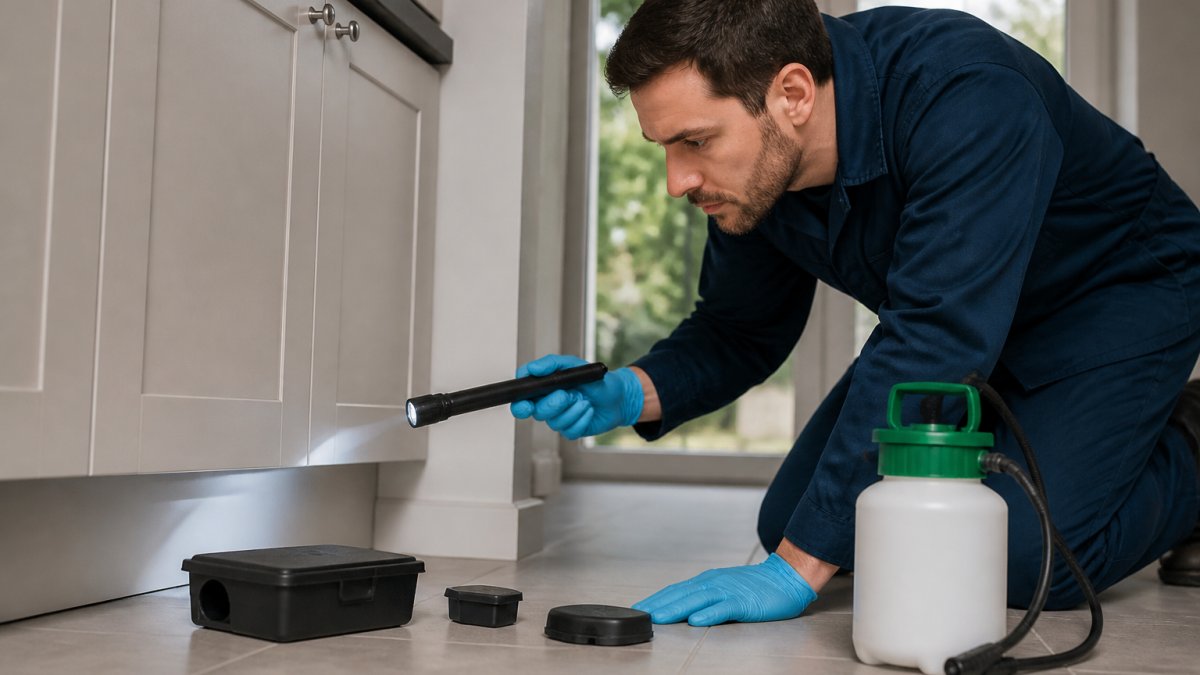
- Lift kitchen plinths and check pipework entries for gaps
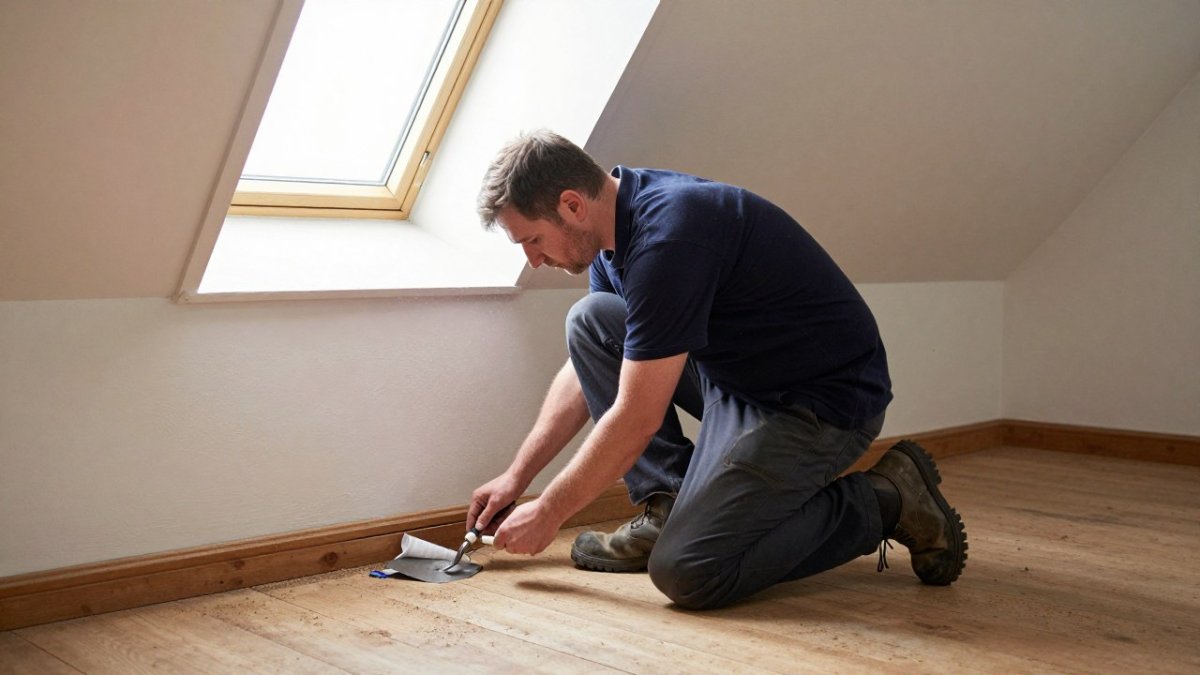
- Inspect the loft for insulation damage, droppings and daylight
- Check air bricks and vents for broken covers
- Open every external door and look for light under the threshold
- Trace service pipes where they enter walls and floors
- Look behind white goods for gnaw marks on cables
- Check the garage and any outbuilding for burrows and nesting
- Walk the boundary and note overhanging branches near the roofline
A professional inspection goes further. Our technicians hold a minimum RSPH Level 2 qualification and look for the source of activity, not just the symptoms. That distinction matters in a new home, where a single unsealed pipe entry can feed a rodent problem for months.
How to Seal a House from Mice and Other Invaders
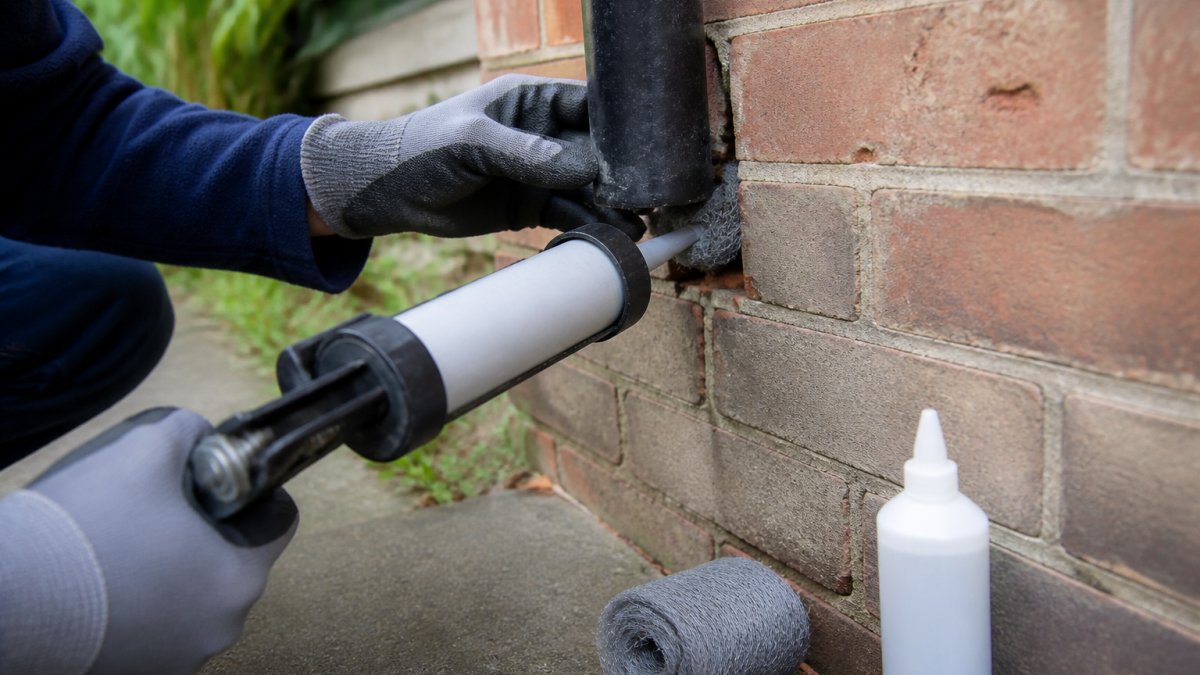
Seal every gap wider than a pencil with wire wool packed tight and finished with sealant or mortar. Mice cannot chew through wire wool, and the sealant holds it in place. This one job stops more infestations than any trap.
Work through the building from the outside in:
- Pack pipe entries where services pass through external walls
- Fit bristle or brush strips to the bottom of external doors
- Repair broken air bricks with proper covers, never block ventilation
- Seal gaps under kitchen units where pipes and cables pass through
- Close loft hatch edges with draught strip and a tight-fitting frame
Watch out: blocking air bricks entirely to stop draughts also stops ventilation, which can cause damp and condensation problems. Fit a replacement cover instead. For a fuller walkthrough, see our guide on how to seal a house from mice, and this step-by-step guide to sealing gaps to keep mice out covers the detail room by room.
How to Prevent Pests in the Kitchen
Store dry food in sealed containers, clear crumbs nightly, and fix dripping taps. Kitchens attract rodents and insects because they offer all three things pests need: food, water and shelter. A clean, dry kitchen with sealed storage removes the invitation.
Focus your efforts on these areas:
- Food storage: decant cereal, flour and pet food into rigid containers with lids
- Waste: use a lidded bin, empty it nightly, and rinse it weekly
- Under-appliance zones: vacuum behind the fridge and cooker monthly
- Pipework: fix leaks promptly, since damp wood attracts insects
- Ventilation: run extractor fans to keep humidity down
A common mistake is treating a kitchen sighting with spray and stopping there. If you see one cockroach or mouse in a kitchen, assume there are more behind the units. Book a professional check rather than waiting for a second sighting.
Outdoor Pest Proofing: Garden, Bins and Outbuildings
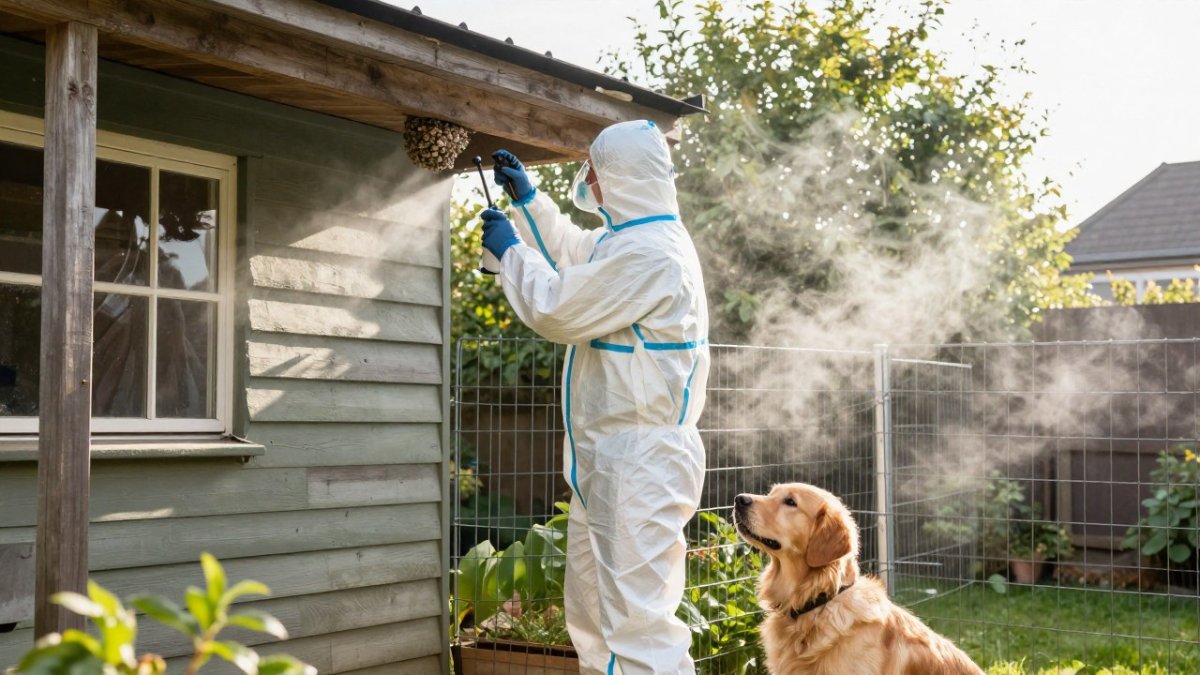
Clear clutter, move bins away from walls, and trim branches back from the roofline. Most rodent problems in new homes start outside and walk in. The garden, bin store and shed are where you win or lose the battle.
Our priorities for any property:
- Bins: keep them lidded, on a hardstanding, and at least a metre from the house
- Compost: use a sealed bin, and never compost cooked food
- Sheds and garages: seal gaps at the base, and keep stored items off the floor
- Branches: cut back any that touch or overhang the roof
- Bird feeders: position them away from the house, and clear spilled seed
Rats burrow along fence lines and under decking. Walk the boundary monthly and look for fresh soil mounds or runs through the grass. Catching these early is far cheaper than dealing with rats in wall cavities.
Common Pest Proofing Mistakes to Avoid
The biggest mistake is sealing visible gaps and ignoring the source. If rodents are already established, proofing traps them inside, and the problem gets worse before it gets better. Always confirm the property is clear before you seal.
Other mistakes we see regularly:
- Blocking vents completely, which causes damp and condensation
- Using expanding foam alone, which mice chew straight through
- Ignoring the loft, where most rodent activity starts
- Skipping the survey because the house is new
- Treating one room when the entry point is on the other side of the building
Understanding integrated pest prevention helps you avoid these traps. The principle is to combine proofing, hygiene and monitoring rather than relying on any single measure.
Booking a Professional Pest Survey Before You Move In
Book a professional survey before completion if you can, or in the first week after moving in. A surveyor checks the areas buyers rarely see, confirms whether activity is current or historic, and gives you a written record before furniture and boxes hide the evidence.
Here is what a survey typically covers:
| Check | What it looks for | Why it matters |
|---|---|---|
| Loft and roof void | Droppings, nesting, insulation damage | Early rodent activity |
| Service entries | Unsealed pipes and cables | Main entry points |
| Kitchen and utility | Frass, gnaw marks, damp | Active infestation |
| External boundary | Burrows, runs, overgrowth | Source of the problem |
| Outbuildings | Nesting, stored materials | Harbourage sites |
Our team offers same-day or next-day appointments, seven days a week, and we are NPTA members and BASIS PROMPT registered. We identify the source of the infestation rather than treating the symptoms, so the fix lasts. If you are ready, you can book a professional pest survey before you move in.
Frequently Asked Questions
How do I pest proof a new home before moving day?
Start with a room-by-room inspection before furniture arrives, when it is easier to spot droppings, gnaw marks and gaps. Check the kitchen, loft, under stairs and around pipework, then seal any exterior gaps with wire wool and sealant. Move bins away from walls and store food in sealed containers. A professional survey before you move in catches problems early, and a qualified technician can identify the source rather than just the symptoms.
What are the first signs of pests in a new home?
Look for mouse droppings along skirting boards and in cupboards, gnaw marks on cables and food packaging, grease smears on walls, and small holes in exterior brickwork or mortar. In the kitchen, check behind appliances and under the sink. Also watch for ant trails near doors, moth damage in wardrobes and scratching sounds in the loft at night. Any of these signs warrants a closer look before you unpack.
How do I seal gaps to stop mice getting into my house?
Mice can squeeze through gaps as small as a pencil width, so work methodically around the exterior. Fill gaps around pipes and cables with wire wool packed tightly and finished with sealant. Repair cracked mortar and air bricks, fit brush strips to garage and shed doors, and check the loft for gaps at the eaves. Pay attention to where services enter the building, as these are common entry points.
How often should I check my home for signs of pests?
A quick check every few months is sensible, with a more thorough inspection each autumn before colder weather drives rodents indoors. Check the kitchen, loft, garage and any outbuildings, and look at exterior walls for new cracks or holes. If you have had an infestation before, or you live in an older property, more frequent checks are worthwhile. Booking a professional survey gives you a documented baseline to compare against.
A new home should feel like a fresh start, not the beginning of a pest problem. The seven steps above give you a solid defence, but a professional survey catches what a homeowner checklist cannot. ProPest Oxford Ltd offers same-day or next-day appointments, RSPH Level 2 qualified technicians, and a focus on finding the source of activity rather than just the symptoms. Get started with ProPest Oxford Ltd and move in with genuine peace of mind.