 how-to
Can Professional Cockroach Treatment Help Asthma Sufferers?
Last Updated: November 2, 2026
Quick Summary
Professional cockroach treatment can help asthma sufferers because cockroach allergens are a common indoor trigger of symptoms. Bait-first, IPM-led cockroach treatment reduces exposure, and a Tulane University study found children with moderate to severe asthma had almost 50 fewer symptom days afterwards.
- 23% to 60% of urban residents with asthma are sensitive to cockroach allergens, according to PestWorld.
- Allergens come from droppings, shed skins and saliva proteins that become airborne in dust.
- Keep everyone with asthma and pets out of treated rooms during application, then ventilate.
- Wait at least 24 hours before cleaning so bait is not wiped away.
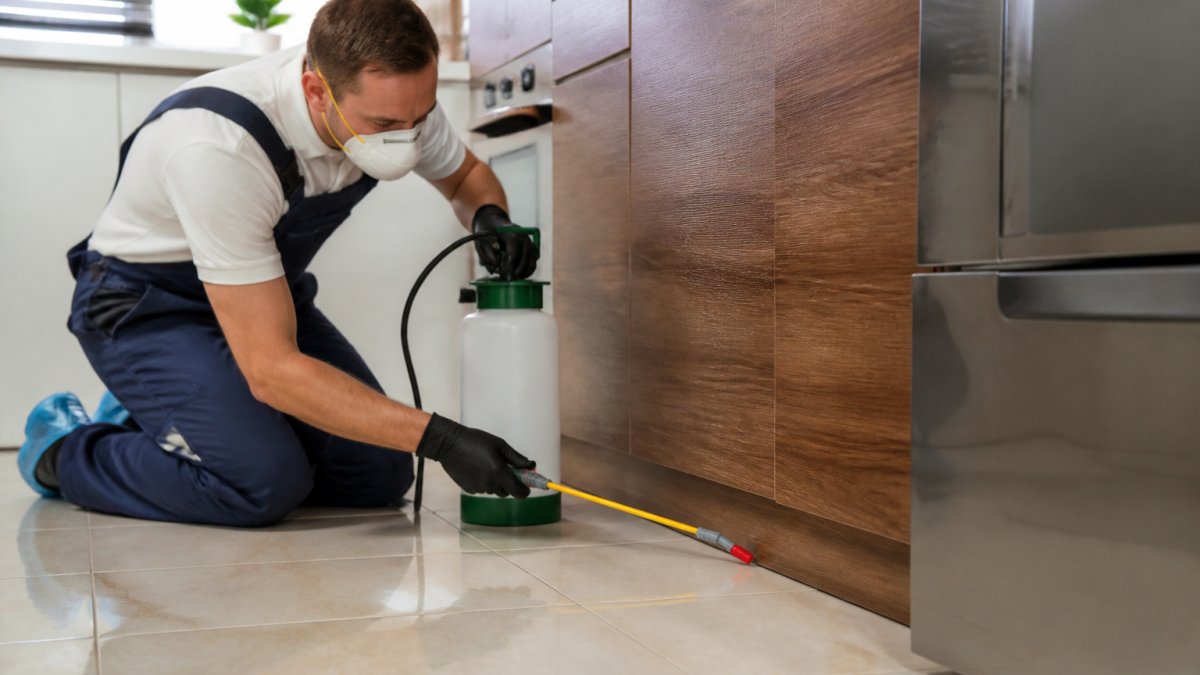
- Ask providers to avoid fogging or spraying in an occupied asthma home.
Table of Contents
- Why Cockroach Treatment Matters for Asthma Sufferers
- How Cockroach Bait Treatment Reduces Allergen Exposure
- Preparing for Cockroach Treatment in a Home with Asthma
- Cockroach Treatment Safety Precautions for Respiratory Sensitivity
- Cockroach Allergen Removal After Treatment: Cleaning Protocols
- Non-Toxic DIY Maintenance Between Professional Visits
- Questions to Ask Before You Book Professional Treatment
- Booking a Safe, Asthma-Aware Cockroach Treatment
- Frequently Asked Questions
Why Cockroach Treatment Matters for Asthma Sufferers
Cockroach treatment is a health intervention, not just a cleaning task, for anyone with asthma. Cockroach allergens are one of the most common indoor triggers of asthma symptoms, and removing them can measurably reduce symptom days. According to PestWorld's pest health guidance, 23% to 60% of urban residents with asthma are sensitive to cockroach allergens.
The allergens come from cockroach droppings, shed skins and saliva proteins. These break down into tiny particles that become airborne and settle in dust. When someone with respiratory sensitivity breathes them in, the immune system reacts. That reaction is a genuine asthma trigger, not a nuisance.
The evidence is hard to ignore. A Tulane University study on cockroach bait and asthma found that children with moderate to severe asthma had almost 50 fewer symptom days after a cockroach bait intervention.
Not sure whether you need general pest control or something more targeted? Our guide on pest control and rodent control: which do you need? breaks down the options.
How Cockroach Bait Treatment Reduces Allergen Exposure
Insecticidal bait works by killing cockroaches at the source, which can reduce the population that produces allergens.
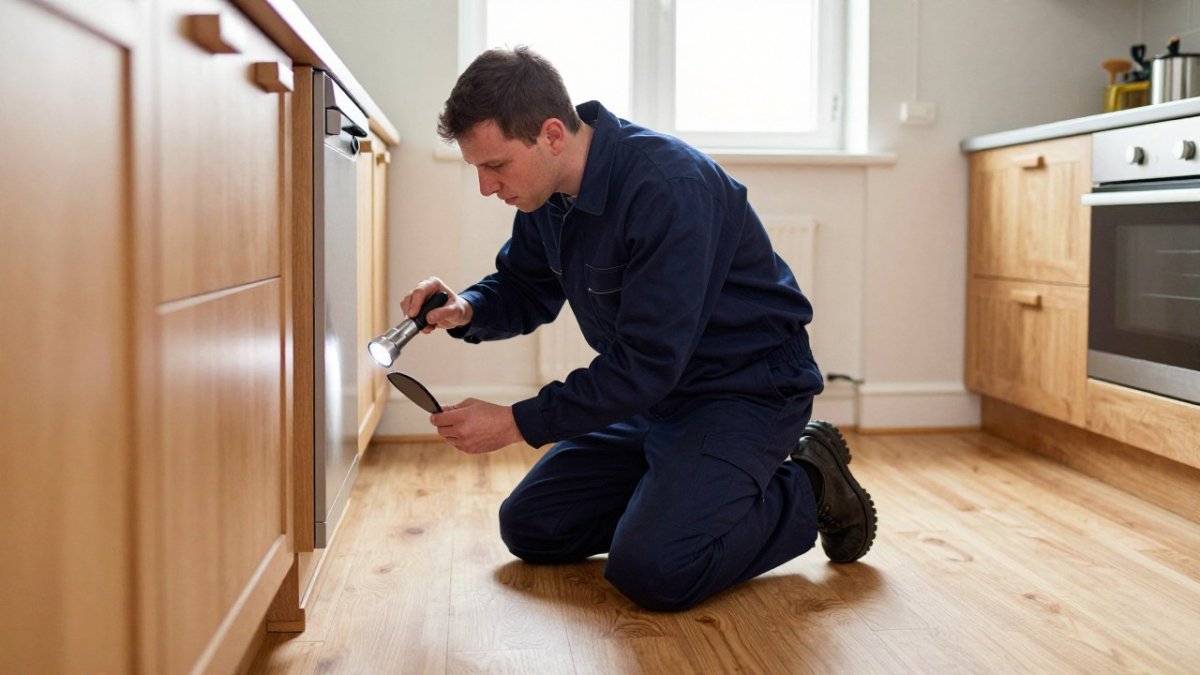
Here is how the process reduces exposure:
Research from PubMed on bait as a single intervention shows that insecticidal bait used alone significantly reduces cockroach exposure and asthma symptom days.
For asthma sufferers, that last point matters most. You are not trading one trigger for another.
Preparing for Cockroach Treatment in a Home with Asthma
Preparing for cockroach treatment means clearing access for the technician and reducing what can become airborne during the visit. A little prep protects both the treatment and the people breathing the air.
Do these before the technician arrives:
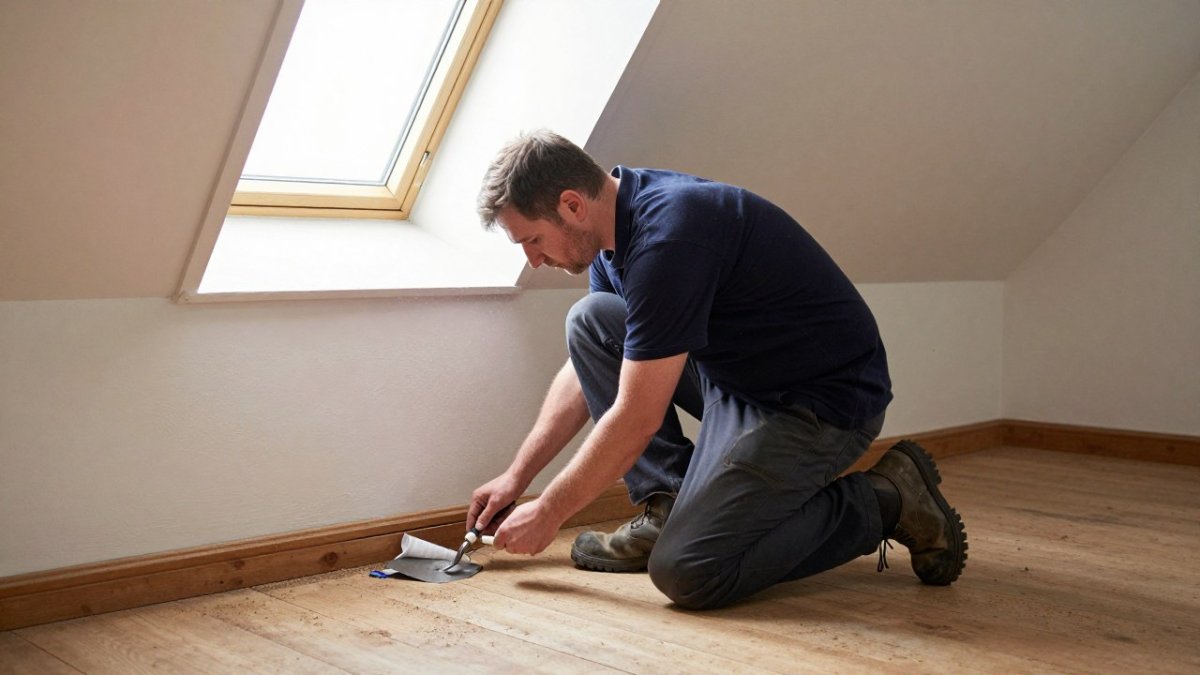
- Clear floors, skirting boards and cupboard bases so bait can be placed.
- Vacuum and damp-wipe surfaces to reduce existing allergen dust.
- Store food in sealed containers and clear crumbs.
- Keep everyone with asthma, plus pets, out of treated rooms during application.
- Open windows to ventilate once the technician confirms it is safe.
Watch out: don't sweep or dry-dust right before treatment. It lifts allergen particles into the air and defeats the point of the visit.
Cockroach Treatment Safety Precautions for Respiratory Sensitivity
Safety precautions for respiratory sensitivity centre on one rule: use methods that do not add a chemical trigger. Some standard pesticides are toxic and can themselves set off asthma attacks, so method selection is critical.
The National Centre for Healthy Housing guidance on cockroaches advises using integrated pest management (IPM) techniques for asthma sufferers, because certain chemicals in standard pest control may be toxic and worsen symptoms.
A common mistake is assuming "professional" always means "safe for asthma." It doesn't. Ask which method will be used and why.
Cockroach Allergen Removal After Treatment: Cleaning Protocols
Cockroach allergen removal after treatment is where most households fall short. Killing the insects is only half the job. The allergens they left behind, in droppings, shed skins, saliva and grease, stay in dust and on surfaces until they are physically removed. Inhaling that dust is what triggers asthma symptoms, so the cleaning phase is a health intervention in its own right.
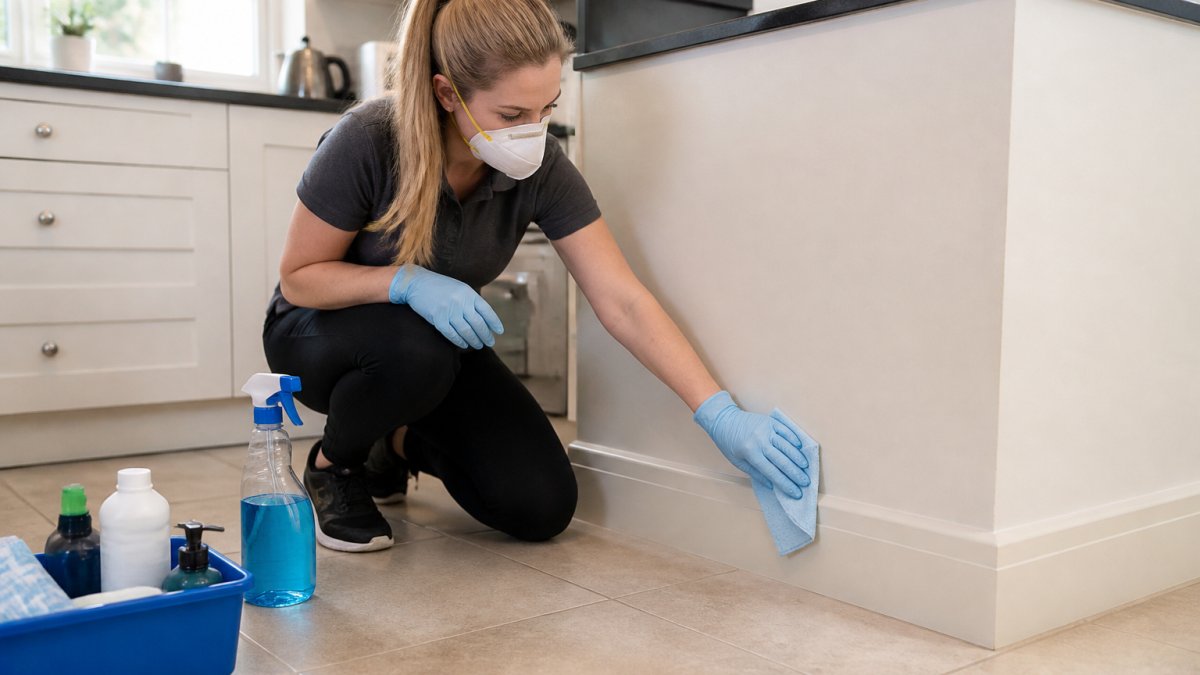
The key principle is wet removal, not dry disturbance. Dry sweeping, brushing or dry-dusting lifts allergen particles back into the air, where they can be breathed in for hours afterwards. Every step below is designed to trap particles rather than launch them.
Wait before you clean. Give the technician's bait and any residual product time to work, typically at least 24 hours, and longer if the technician advises it. Cleaning too soon can wipe away bait gel and undo the treatment.
Work top-down, wet-first. Damp-wipe ceilings, high shelves, cupboard tops, then work down to worktops, cupboard interiors, skirting boards and floors. Change the cloth or rinse it frequently, a dirty cloth simply moves allergens around. Use disposable cloths where possible and bag them after use.
Treat soft furnishings separately. Curtains, cushion covers and bedding where allergens may have settled should be washed at the hottest temperature the fabric allows. Items that cannot be washed can be vacuumed with a soft brush attachment.
The National Centre for Healthy Housing study found that professional cleaning combined with bait traps significantly reduced cockroach allergens in the homes of children with asthma, the cleaning was not optional to that result.
If the infestation was heavy, ask the technician whether a follow-up clean is needed once the population has collapsed. Carcasses and droppings hidden behind units and under appliances are easy to miss and are a common reason symptoms persist after a technically successful treatment.
Non-Toxic DIY Maintenance Between Professional Visits
Maintaining good housekeeping between visits can help reduce the chance of cockroaches returning. The aim is to remove food, water and shelter so the infestation has less to build on.
Try these habits:
- Seal gaps around pipes, skirting and door frames (pest exclusion).
- Fix leaks and dry damp areas to remove water sources.
- Store food in sealed containers and empty bins nightly.
- Declutter cardboard and paper, which cockroaches use for harbourage.
- Keep up damp-wiping to stop allergen dust building again.
Our seasonal pest prevention tips for UK homes give you a practical calendar for staying ahead between treatments.
Questions to Ask Before You Book Professional Treatment
Before booking, ask questions that separate a safety-first provider from one that simply sprays and leaves. For an asthma household, these answers matter more than the price. Most guides stop at listing questions; the useful part is knowing what a good answer sounds like, and what should make you walk away.
Ask these questions, and listen for the answers below:
- Do you use integrated pest management (IPM) and bait-first methods for asthma homes? A good answer describes bait stations and gels, targeted placement, and monitoring, not a default spray. A vague "we use whatever works" is a red flag.
- What qualifications do your technicians hold? In the UK, look for a technician who holds a recognised qualification and membership of a relevant professional body. Ask whether the technician visiting your home holds the qualification, not just the firm.
- Which chemicals, if any, will you use, and are they safe for respiratory sensitivity? A good answer names the active ingredient and explains why it is appropriate. Be cautious of any provider who cannot tell you what they are applying.
- How do you handle ventilation during and after treatment? A good answer explains when rooms can be re-entered, how long to ventilate, and whether anyone with asthma should leave during application.
- What follow-up and prevention is included? A good answer includes a monitoring visit and practical prevention advice. A one-off spray with no follow-up is a warning sign.
- Will you fog or spray in an occupied home? For an asthma household, the answer should be no, fogging and broad spraying add a chemical trigger. If a provider insists fogging is necessary, ask why and consider a second opinion.
- Can you provide a written treatment plan and safety data sheets? A professional provider should be able to supply safety data sheets for any product used and a written plan covering method, timing and re-entry.
Watch out: a very low quoted price is often a sign of a single spray-and-go visit with no monitoring.
A qualified provider should answer all seven without hesitation. If you want a head start on vetting, read our guide on how to choose an insect control service that works and our rundown of pest control certifications for residential properties.
At ProPest Oxford Ltd, our technicians hold a minimum RSPH Level 2 qualification, and we are associated with NPTA and BASIS PROMPT.
Here are the questions to put to any provider, and what a good answer should sound like.
| Question | A good answer sounds like | Warning sign |
|---|---|---|
| Do you use IPM and bait-first methods? | Bait stations, gels, targeted placement and monitoring | "We use whatever works" |
| What qualifications do technicians hold? | Recognised qualification and professional body membership | Cannot confirm the visiting technician's qualification |
| Which chemicals will you use? | Names the active ingredient and explains suitability | Cannot say what is being applied |
| How is ventilation handled? | Explains re-entry time and how long to ventilate | No clear re-entry guidance |
| What follow-up is included? | Monitoring visit plus practical prevention advice | One-off spray with no follow-up |
| Will you fog or spray in an occupied home? | No | Insists fogging is necessary |
| Can you provide a written plan and safety data sheets? | Supplies both for any product used | Cannot provide either |
Booking a Safe, Asthma-Aware Cockroach Treatment
Booking a safe cockroach treatment comes down to choosing a provider who understands both the pest and the health risk. The right treatment removes the infestation and the allergens behind it, without adding a new trigger.
Here is what to confirm at booking:
- Method: bait-first, IPM-led, no fogging in occupied asthma homes.
- Credentials: qualified, licensed technicians with clear safety protocols.
- Timing: same-day or next-day appointments where possible.
- Follow-up: a plan for prevention, not just a one-off visit.
You can review our professional pest control services in Oxford and get in touch to arrange a visit.
Frequently Asked Questions
Can cockroaches trigger asthma symptoms?
Yes. Cockroach droppings, saliva and shed body parts break down into particles that become airborne and are inhaled. Exposure can cause wheezing, coughing and worsened asthma control, and children are particularly affected. Because the allergens persist in dust and on surfaces long after the insects are gone, treating the infestation alone is not enough. Allergen removal through thorough cleaning after professional cockroach treatment is essential to reduce ongoing exposure in the home.
Are cockroach baits safer than sprays for people with asthma?
Generally, yes. Ask your technician to confirm bait-based methods are being used.
How should I prepare my home for professional cockroach treatment?
Clear kitchen worktops and floors so the technician can reach harbourage areas such as behind appliances, under sinks and along skirting boards. Empty lower cupboards where baits or gel may be applied, and store food in sealed containers. Vacuum and damp-wipe surfaces beforehand to remove crumbs, but avoid wet-mopping immediately before treatment. Tell the technician about anyone in the household with asthma, and arrange for sensitive occupants to be out during application. Follow any specific instructions the pest control company provides, as these vary by treatment type.
How long should people with asthma stay away after cockroach treatment?
For most bait-based professional treatments, occupants can usually return once surfaces are dry and the technician confirms it is safe, often within a few hours. Where any residual spray is used, the label or technician will specify a re-entry interval, commonly several hours. People with respiratory sensitivity should stay out for the full period and ventilate the property well on return. Ask your pest control professional for a clear return time in writing before the visit, and never re-enter early to speed things up.
Cockroach allergens are a real, measurable asthma trigger, and getting rid of them safely takes more than a can of spray. If you need a treatment plan built around respiratory sensitivity, ProPest Oxford Ltd can help. Our RSPH Level 2 qualified technicians use bait-first, IPM-led methods, offer same-day or next-day appointments, and work seven days a week to identify the source and stop it returning. Get started with ProPest Oxford Ltd and breathe easier in a home free from cockroaches.